


10 Key Aspects of Security Close Protection for Construction Sites

Last updated: 15 July 2026
Introduction
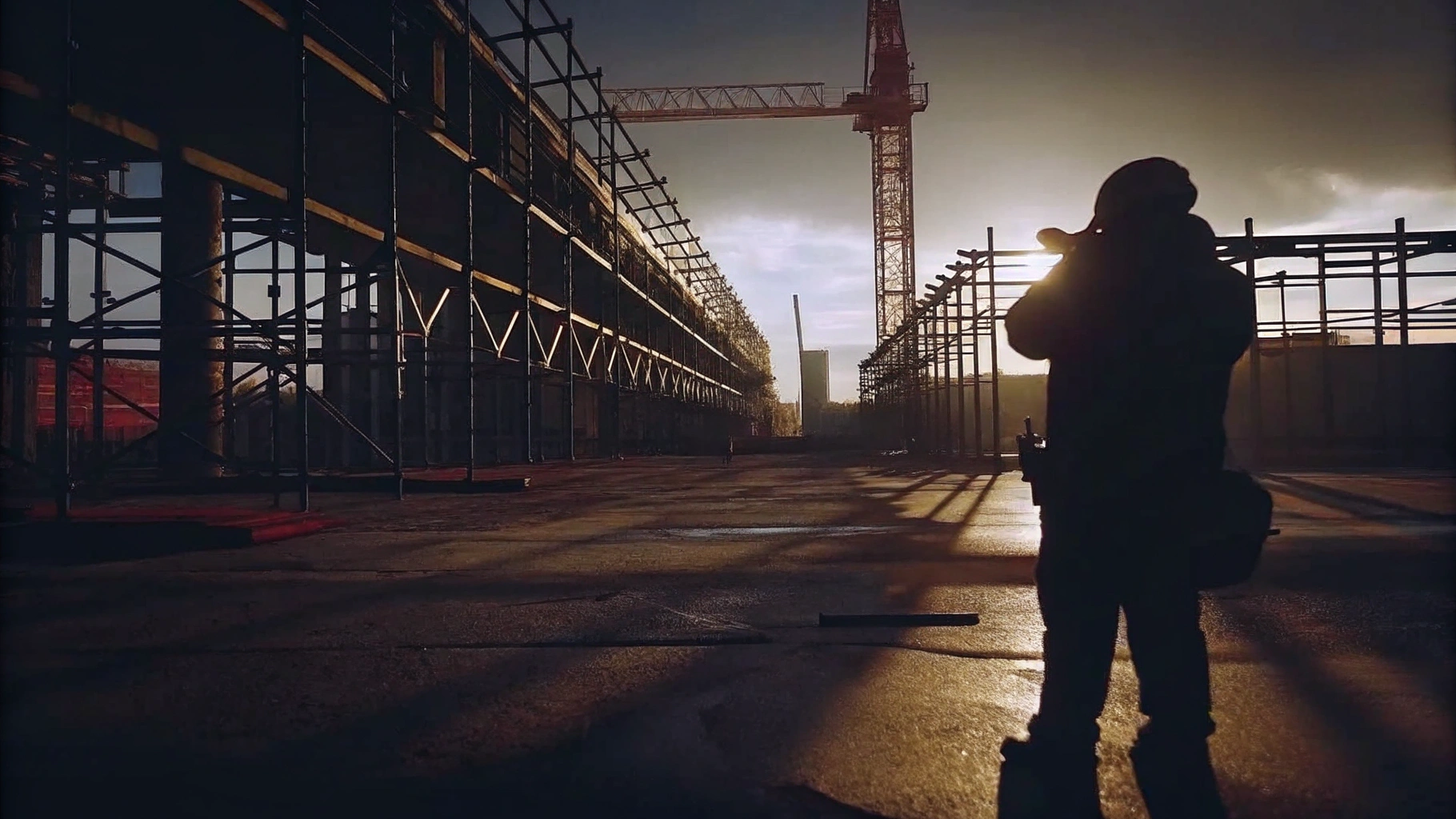
The construction industry is confronted with a significant challenge: over 11,000 theft incidents are reported annually, resulting in considerable financial losses. Construction theft costs UK businesses over £1 million a week, underscoring the urgent necessity for effective security close protection strategies designed specifically for construction sites. The implications are clear—ignoring these risks can lead to severe financial, operational, and reputational consequences.
Key Takeaways:
- Construction theft costs UK businesses over £1 million per week, with more than 11,000 incidents reported annually.
- Effective security close protection integrates advanced technology (AI-driven CCTV, access control) with skilled, individually SIA-licensed operatives.
- Proactive risk assessment, situational awareness, and team collaboration reduce security incidents by up to 30% on construction sites.
- Mandatory refresher training for close protection operatives (from April 2026) ensures operatives maintain current skills in threat assessment and emergency response.
- Early investment in tailored security measures prevents greater losses later, making security an essential component of business continuity.
Through this article, readers will uncover ten essential aspects that not only bolster safety but also ensure operational efficiency within these high-risk environments. How can construction supervisors effectively safeguard their projects against ever-evolving threats while upholding compliance and ethical standards? This exploration into the fundamental elements of security close protection aims to provide insights that could redefine safety protocols in the construction sector.
Priority First Security Services: Expert Close Protection Agents for Tailored Safety
Priority First Security Services operates at the forefront of security close protection, particularly in construction environments. Their agents—each individually SIA-licensed (a legal requirement for security operatives)—are expertly trained to assess and mitigate risks specific to these settings, ensuring the safety of both personnel and assets. By focusing on tailored safety solutions, Priority First integrates advanced protective technology with skilled personnel to deliver comprehensive protection that addresses the distinct needs of each project.
The construction sector is beset by significant challenges, with over 11,000 theft incidents reported annually, resulting in financial losses exceeding £800 million. This reality underscores the urgent need for robust security measures. Priority First employs advanced monitoring systems, including:
- High-definition CCTV
- AI-driven analytics
- High-volume oversight
to bolster location security and deter potential threats. Additionally, manned guarding provides a physical presence that further enhances the safeguarding of construction sites.
Current trends indicate a growing demand for bespoke protection strategies, as 92% of construction professionals have encountered crime at their sites. By implementing customised solutions and conducting thorough evaluations, Priority First not only addresses immediate safety concerns but also cultivates a safer working environment. Construction supervisors are encouraged to regularly review their security measures and consider the integration of advanced monitoring systems to enhance overall site security.
Experts assert that effective security close protection necessitates a blend of technical expertise and adaptability to evolving threats. As the industry navigates emerging challenges, Priority First remains committed to delivering innovative protection solutions that prioritise well-being and operational efficiency on construction projects.

We cover this further in Enhance Security Protection on Construction Sites: A Step-by-Step Guide.
We cover this further in What Is Close Protection Security & Why It Matters for You.
Risk Assessment: Evaluating Threats to Ensure Client Safety
Conducting thorough risk assessments is essential for effective security close protection. Construction sites face significant risks—theft, vandalism, and compliance issues—that can lead to severe financial, operational, and reputational consequences for businesses. For instance, construction theft costs UK businesses over £1 million a week, underscoring the importance of proactive security measures.
By evaluating these risks, Priority First can implement tailored security close protection measures that specifically address the unique challenges of each project. Comprehensive access control systems regulate the flow of personnel and vehicles, ensuring that only authorised individuals have access to sensitive areas. This proactive strategy not only safeguards assets but also mitigates potential operational disruptions.
In practice, this means that clients can concentrate on their operations without the worry of security threats. The approach, grounded in effective logistics management, allows for a seamless integration of security within the broader context of business resilience. The lesson is clear: early investment in security prevents greater losses later, reinforcing the notion that security is not an expense—it is business continuity in practice.
Situational Awareness: Monitoring Environments for Potential Threats
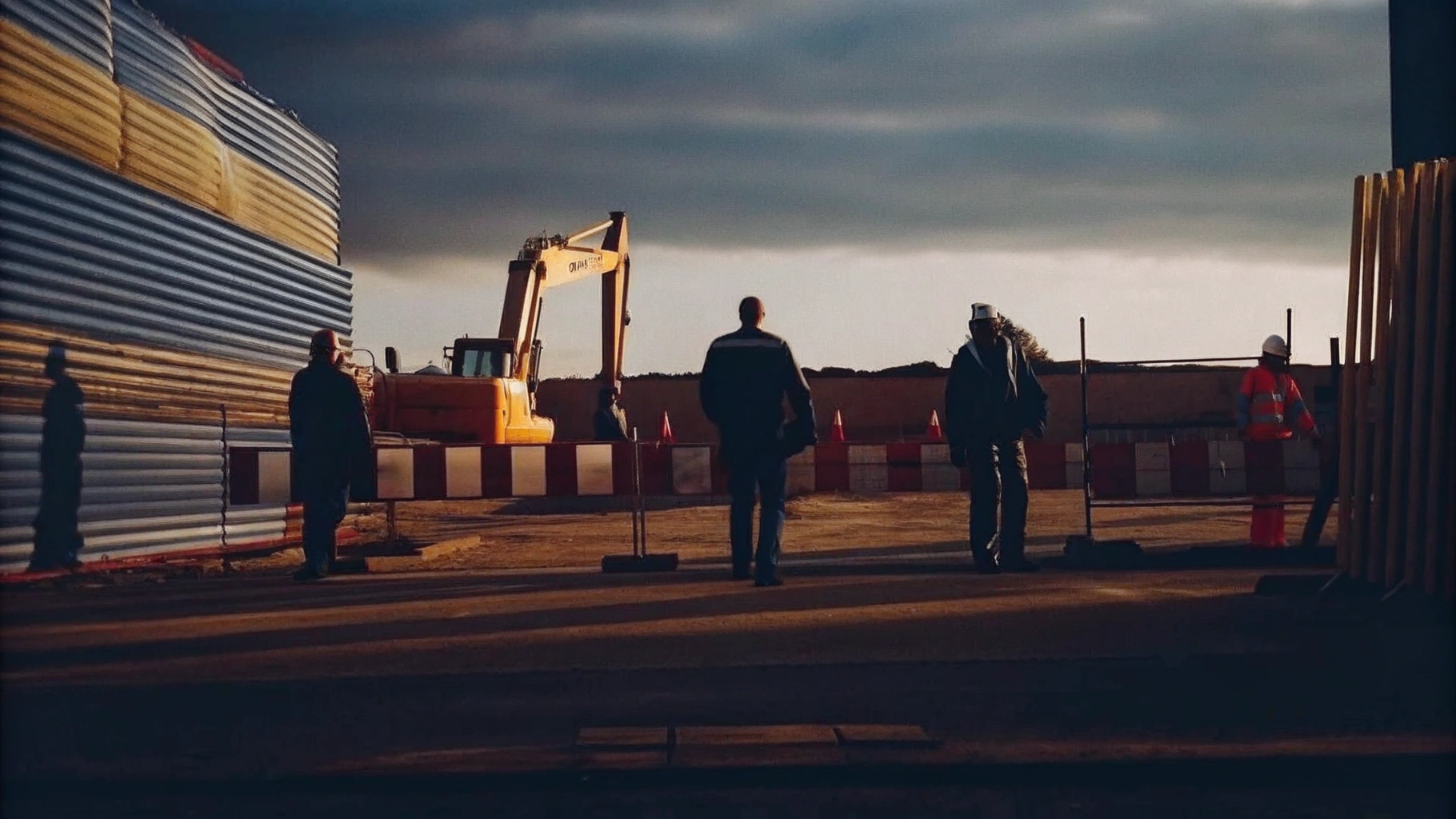
Close protection operatives are integral to maintaining situational awareness, particularly in construction areas where potential threats may arise. This responsibility encompasses keen observation of behaviours, identification of unusual activities, and a comprehensive understanding of the environment. By cultivating a culture of alertness, Priority First empowers its agents to respond swiftly to emerging risks, thereby significantly enhancing safety on site.
In the current landscape, where threats to executives and corporate environments are escalating, the integration of high-volume monitoring, manned guarding, and advanced CCTV systems becomes essential. Techniques such as intelligent CCTV systems and behavioural analysis software serve as vital tools in this endeavour. These technologies not only provide real-time insights but also automate threat detection, allowing personnel to focus on critical decision-making. For example, AI-driven systems can forecast hazardous situations by analysing patterns and alerting teams before incidents occur.
Statistics reveal that the incorporation of advanced monitoring solutions can decrease security incidents on construction sites by up to 30%, underscoring the importance of adopting these technologies to bolster protective measures.
Experts in the field assert that fostering an environment prioritising vigilance can yield a more secure workplace. As industry professionals note, "AI can help companies maintain consistent safety messaging and provide real-time situational awareness to aid in decision-making." By leveraging these insights and technologies, Priority First ensures that construction locations remain secure and operationally efficient, reflecting a commitment to client-focused protection and professionalism. Furthermore, Priority First's bespoke security solutions encompass features such as layered authentication for building access, visible security personnel, and secure zones for high-stakes meetings, all aimed at mitigating risks associated with corporate espionage and data leaks.

Communication Skills: Facilitating Coordination and Response
Effective communication is vital for security close protection teams, particularly in high-stakes environments such as construction sites. Clear communication enables team members to relay critical information swiftly during emergencies. Statistics show that teams with robust communication protocols can reduce response times by up to 30%, significantly enhancing client safety. Priority First prioritises training in these communication protocols, ensuring seamless coordination among team members.
During a recent event at a construction site, clear and direct communication allowed the team to effectively manage a potential threat, underscoring the importance of maintaining a calm and composed demeanour. Security professionals assert that the ability to convey instructions clearly and concisely is essential for successful operations. As one expert noted, "Clear and concise communication lies at the heart of successful security operations."
By cultivating strong communication skills, close protection teams can enhance their operational effectiveness in security close protection, ultimately ensuring a safer environment for clients and personnel alike.
Physical Fitness: Maintaining Readiness for Emergency Situations
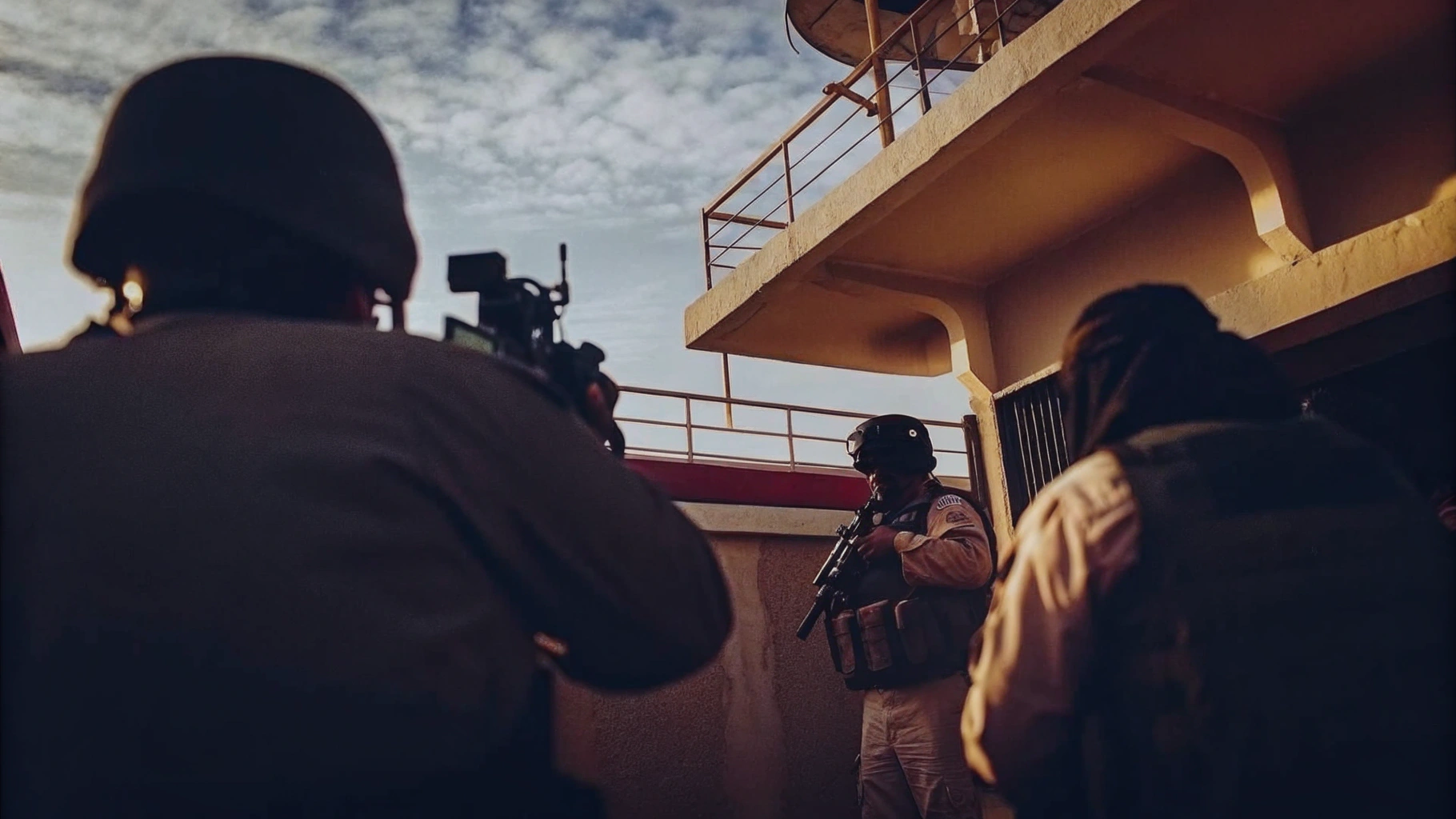
Close protection operatives are required to maintain exceptional physical fitness levels to respond effectively to emergencies, particularly in the dynamic environment of construction sites. High fitness levels are vital for managing potential threats and ensuring the safety of personnel and assets. Priority First underscores the importance of rigorous fitness training for its agents, equipping them with the necessary skills to act decisively in high-pressure situations.
Programmes designed for protective staff often include customised workouts that enhance cardiovascular fitness, muscular strength, and flexibility. This approach ensures operatives are not only physically capable but also mentally prepared for emergencies. Fitness trainers emphasise that readiness in emergency situations is significantly influenced by physical conditioning, with studies indicating that higher fitness levels correlate with quicker response times during crises. For example, physically active individuals exhibit faster evacuation times, illustrating the direct impact of fitness on emergency response effectiveness.
By prioritising fitness, Priority First guarantees that its operatives are consistently ready to perform security close protection and manage risks effectively on construction sites. In practice, this commitment to fitness translates into enhanced operational resilience, ensuring that security close protection is not merely an expense but a critical component of business continuity.

Legal and Ethical Considerations: Navigating Compliance in Close Protection
Operatives in security close protection operate within a complex framework of legal and ethical considerations essential for effective safety management. Understanding use-of-force laws, privacy rights, and licensing requirements is critical. Close protection officers (CPOs) must balance client safety with respect for human rights in their security close protection roles, ensuring their actions do not infringe upon individual liberties. Adhering to these regulations is not merely a legal obligation—it is foundational to ethical behaviour that fosters trust and integrity in operational practices.
Priority First prioritises the training of its agents in these vital areas, ensuring they are well-versed in relevant laws and ethical guidelines. This commitment to compliance not only protects clients but also safeguards the operatives themselves, promoting a culture of accountability and professionalism. Ethical decision-making is paramount, as CPOs often encounter dilemmas requiring them to prioritise client interests while maintaining transparency and integrity. Furthermore, CPOs must uphold confidentiality and trust, handling sensitive client information with discretion.
The construction sector presents unique challenges that necessitate strict adherence to ethical guidelines. CPOs must conduct comprehensive risk evaluations to identify potential vulnerabilities and protection gaps, ensuring confidentiality concerning sensitive information. Legal experts emphasise that adherence to industry regulations is crucial for mitigating risks and ensuring the well-being of all parties involved in construction projects. By integrating these ethical factors into their operations, Priority First demonstrates a proactive strategy to protection that enhances both well-being and operational efficiency. The emphasis on security close protection services guarantees that client safety is upheld with professionalism and sophisticated safety protocols.
Technology Integration: Utilizing Advanced Tools for Enhanced Security
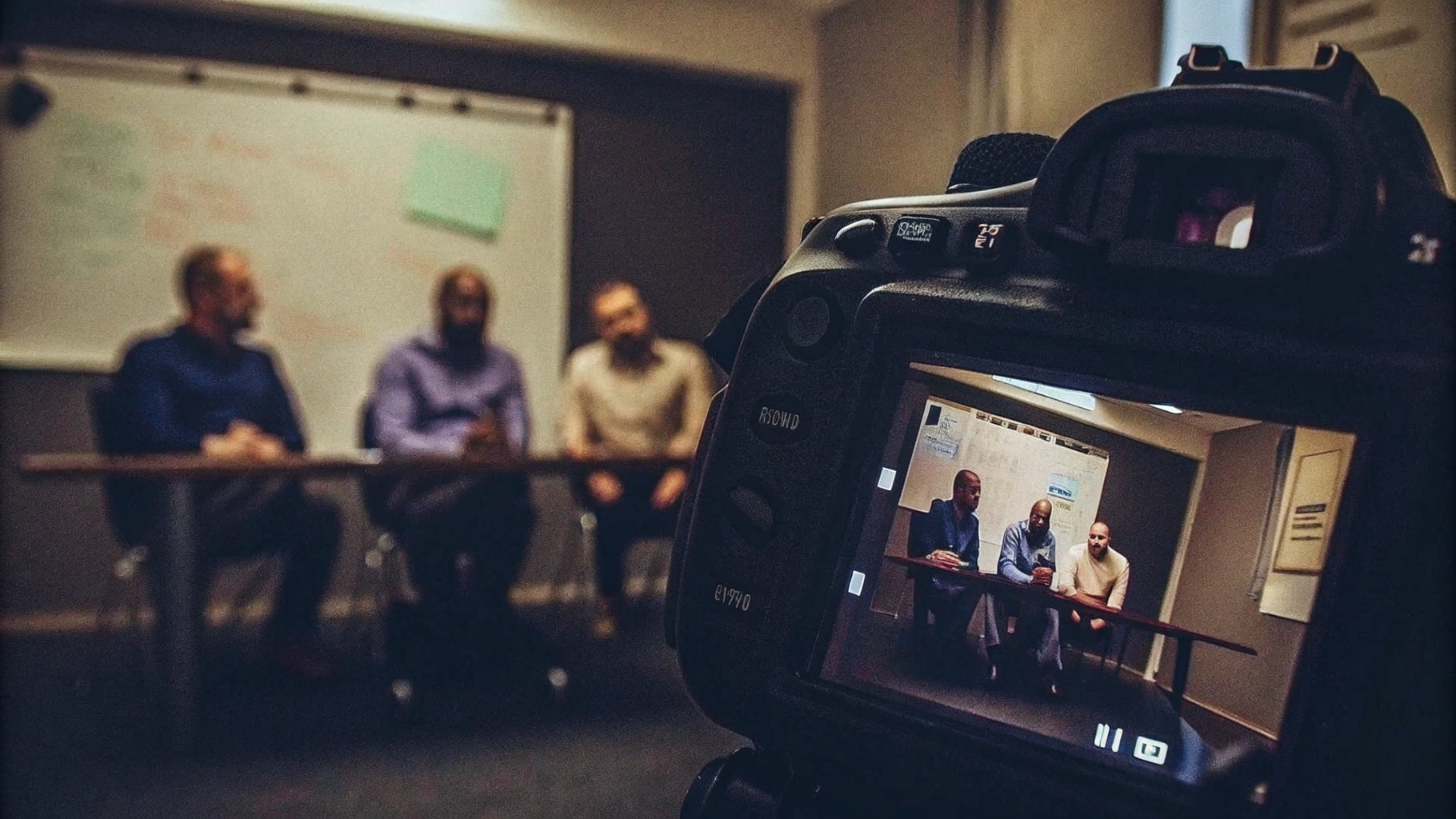
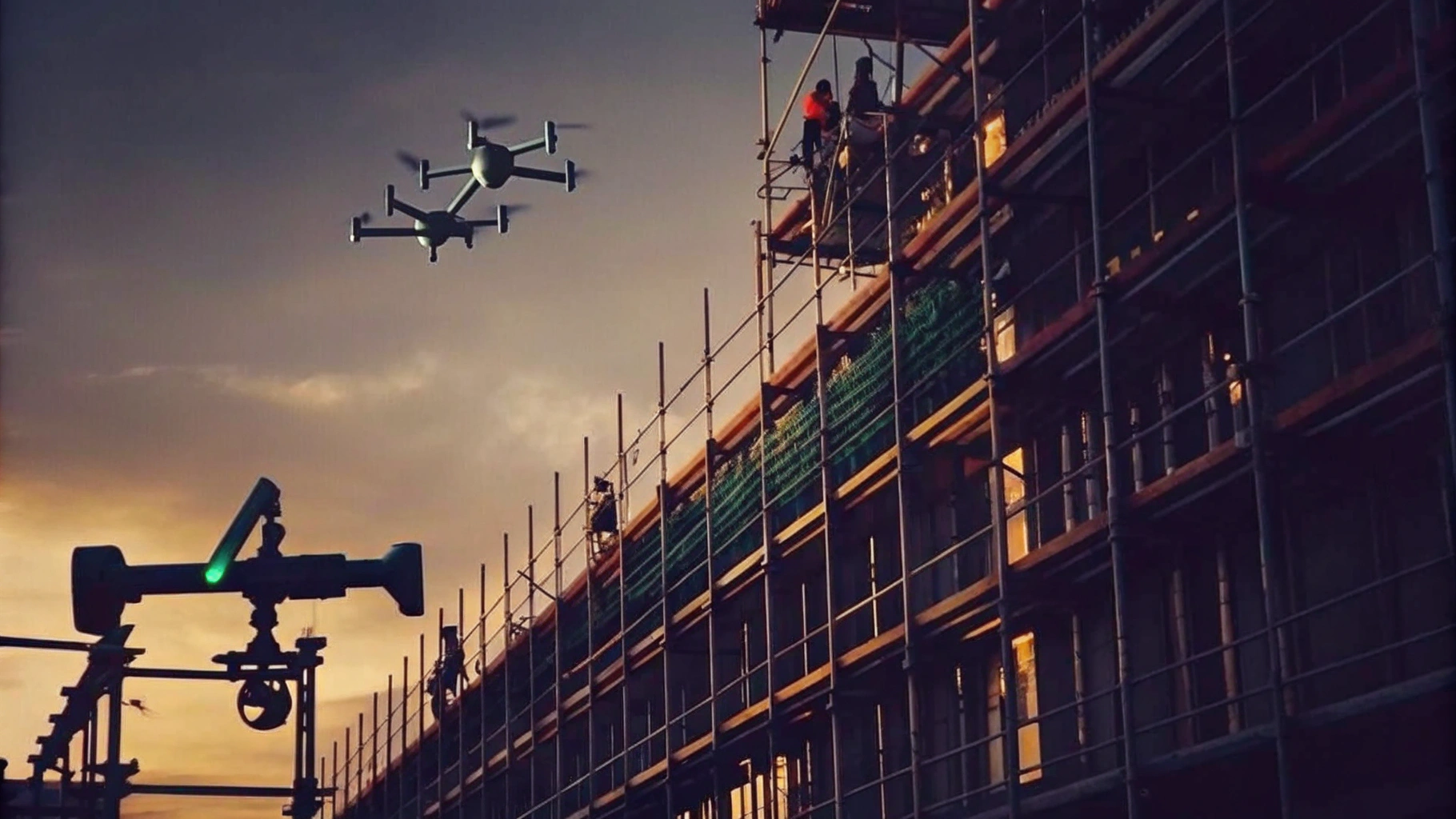
The integration of advanced technology is transforming security close protection in construction environments. AI-driven surveillance systems, real-time communication devices, and sophisticated access control technologies significantly enhance the ability to monitor and respond to potential threats. For instance, AI-driven monitoring can analyse real-time video feeds to identify unauthorised access or unsafe actions, offering immediate alerts to staff. Furthermore, real-time communication tools facilitate seamless coordination among protection teams, ensuring swift responses to incidents.
Priority First utilises these innovations to enhance safety standards on construction sites, providing operatives with advanced tools aimed at safeguarding clients efficiently. The dedication to loyalty, flexibility, confidentiality, professionalism, and a client-focused strategy guarantees that protective solutions are customised to address the specific requirements of each construction project.
Current trends indicate a growing reliance on AI technologies, including the integration of IoT sensors and drones, which enhance coverage and tracking capabilities. As highlighted by industry professionals, the proactive application of AI in security management is crucial for reducing risks and improving overall site safety, paving the way for a more secure and efficient construction environment.
Construction supervisors are encouraged to explore AI-driven tools customised to their particular requirements to maximise safety and operational efficiency.
Training and Development: Ensuring Competence in Close Protection
Training and development are critical for delivering effective security close protection, particularly in the dynamic environment of construction sites. Priority First emphasises ongoing training programmes that encompass essential skills, including threat assessment, emergency response, and communication techniques. This commitment to professional growth ensures that operatives are equipped to tackle the unique challenges of construction site safety, aligning with industry trends that underscore the necessity for continuous skill enhancement.
Recent initiatives underscore the importance of refresher training for close protection operatives, which will become mandatory from April 2026. This training will address key areas such as physical intervention, conducting searches, and terror threat awareness, ensuring that operatives maintain current skills and knowledge. Such measures are crucial in a field where safety threats are constantly evolving.
Moreover, organisations that invest in continuous training experience significant benefits, including a 17% increase in productivity and a notable reduction in incident occurrences. Alarmingly, 45% of employees report receiving no training related to security from their employers, highlighting a critical gap that continuous training programmes aim to fill. A strong protective culture, fostered through regular training, enhances employee engagement and commitment, ultimately leading to a more effective workforce.
In the context of construction project safety, instructors emphasise the necessity of equipping workers with the skills to identify and manage hazards effectively. This proactive approach not only safeguards assets but also ensures compliance with health and safety regulations, thereby protecting both personnel and investments. By committing to ongoing professional development, Priority First exemplifies the standards essential for excellence in close protection services, as demonstrated in the successful management of safety and logistics for a luxury hotel construction project in Chelsea, where tailored solutions ensured site safety and operational efficiency.
Team Collaboration: Working Together for Comprehensive Protection
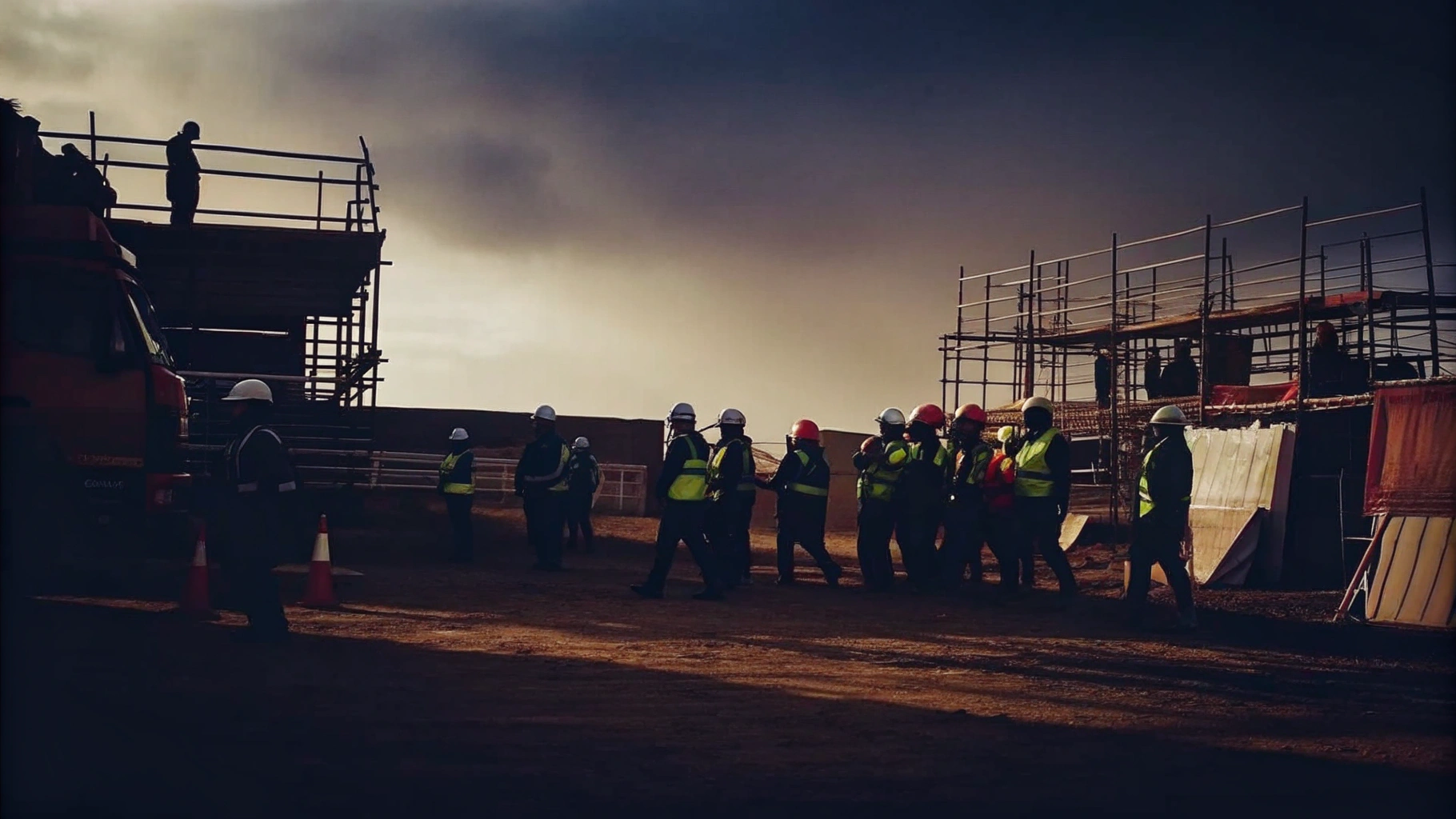
Effective security close protection is fundamentally rooted in teamwork and collaboration. At Priority First, a culture of cooperation is cultivated among operatives, ensuring that each member is acutely aware of their roles and responsibilities. This collaborative framework significantly enhances situational awareness, enabling a more coordinated and rapid response to potential threats. Security professionals emphasise that effective communication and shared understanding among team members are vital for achieving optimal protection outcomes. A well-coordinated team can swiftly adapt to evolving situations, mitigating risks more effectively than isolated efforts.
Effective collaboration tactics in operational contexts involve regular briefings and debriefings, which promote open lines of communication and enable the exchange of vital intelligence. Additionally, joint training exercises enhance team cohesion and prepare operatives to respond seamlessly to various scenarios. Data suggests that teams utilising collaborative methods in security close protection report greater effectiveness rates, with enhanced incident response times and fewer breaches.
Priority First exemplifies this approach through its customised safety solutions for construction sites, such as the luxury hotel project in Chelsea, where effective logistics management and protective measures ensured the site remained safe and organised. Offerings at a logistics centre in Rugby tackled theft risks and handled valuable items, highlighting extensive expertise in management. The combination of canine services and personnel protection further demonstrates how a united team can improve well-being and efficiency in high-risk environments.
Ultimately, the integration of teamwork into security close protection not only enhances protective measures but also instils confidence in clients, knowing that their safety is handled by a united and skilled team. Construction supervisors are encouraged to implement regular team briefings and training sessions to enhance collaboration and effectiveness in their operational activities.

Adaptability: Responding to Dynamic Security Challenges
In the ever-changing landscape of construction site protection, adaptability is paramount. Close protection operatives must be ready to modify their strategies and tactics in response to real-time developments. This necessity highlights the importance of flexibility in security operations, particularly within the construction sector. Businesses that overlook this critical aspect risk not only financial losses but also operational disruptions and reputational damage.
Priority First understands these challenges and integrates adaptability into its training programmes, equipping operatives to respond effectively to evolving threats. The client-centric approach ensures that security solutions are tailored to the unique needs of each construction site, enhancing both operational efficiency and safety. By incorporating comprehensive facilities management services, Priority First positions itself as a vital partner in maintaining a secure environment.
This commitment to professionalism and adaptability enables security close protection operatives to handle any situation. With a proven track record of rapid response, Priority First illustrates that security is not merely a cost—it is an essential component of business continuity. Early investment in robust security measures can prevent far greater losses in the future, reinforcing the notion that security is a critical business function deserving of attention and resources.
Conclusion
In the realm of construction site security, the importance of expert close protection is undeniable. Construction theft costs UK businesses over £1 million a week, and without adequate protection, businesses risk not only financial loss but also operational disruptions and reputational damage.
Priority First Security Services illustrates how tailored safety solutions, enhanced by advanced technology and a skilled workforce, can effectively mitigate these risks and bolster the safety of both personnel and assets.
Key aspects such as:
- Risk assessment
- Situational awareness
- Effective communication
- Physical fitness
- Technology integration
are essential to establishing a robust security framework. Each element plays a crucial role in addressing immediate threats while fostering a culture of safety and vigilance. The integration of innovative technologies and ongoing training ensures that security operatives are well-equipped to manage the unique challenges of construction sites.
The lesson is clear: investing in close protection is vital for maintaining operational continuity and safeguarding valuable assets. Construction supervisors and industry professionals should adopt best practices, including regular assessments of security measures and the implementation of advanced protective technologies. By prioritising these strategies, they can create a safer work environment that not only protects personnel but also enhances overall project efficiency and success.
Frequently Asked Questions
What services does Priority First Security Services provide?
Priority First Security Services specialises in close protection, particularly in construction environments. The company offers tailored safety solutions that integrate advanced protective technology with skilled, individually SIA-licensed personnel.
What are the main security challenges faced by the construction sector?
The construction sector faces significant challenges, including over 11,000 theft incidents annually, leading to financial losses exceeding £800 million. Additional risks include vandalism and compliance issues.
What advanced monitoring systems does Priority First employ?
Priority First employs high-definition CCTV, AI-driven analytics, and high-volume oversight to enhance location security and deter potential threats.
How does tailored security close protection benefit construction projects?
Tailored security close protection addresses the unique challenges of each project, helping to mitigate immediate safety concerns and cultivate a safer working environment.
Why is conducting risk assessments important for security close protection?
Conducting thorough risk assessments is crucial to identify and address significant risks, such as theft and vandalism, which can lead to severe financial, operational, and reputational consequences for businesses.
What role do close protection operatives play in maintaining situational awareness?
Close protection operatives are responsible for keen observation of behaviours and identification of unusual activities. This enhances safety by allowing for swift responses to emerging risks.
How does Priority First utilise technology to improve security?
Priority First utilises intelligent CCTV systems, behavioural analysis software, and AI-driven systems to provide real-time insights, automate threat detection, and forecast hazardous situations.
What impact can advanced monitoring solutions have on security incidents?
The incorporation of advanced monitoring solutions can decrease security incidents on construction sites by up to 30%.
What features are included in Priority First's bespoke security solutions?
Bespoke security solutions include layered authentication for building access, visible security personnel, and secure zones for high-stakes meetings, all aimed at mitigating risks associated with corporate espionage and data leaks.
Integrated Security and Facilities Management for Construction Projects
When construction site security is part of a broader operational picture—encompassing access control, building management, and facilities services—projects run more smoothly and risks are managed more comprehensively. Priority First brings this integrated approach to construction sites across London and nationwide, combining SIA-licensed manned guarding, CCTV monitoring, key holding, and full facilities management under one accountable partner. Headquartered in Mayfair (Companies House 14830917), Priority First serves prime central London and beyond, delivering tailored security and building services for commercial and residential developments alike.
If you're planning or managing a construction project and want a single, reliable partner for both security and site operations, get in touch with Priority First for a no-obligation consultation and quote.


