What Is Close Protection Security & Why It Matters for You

Last updated: 7 September 2026
Quick answer: Close protection security is a specialised service, delivered by SIA-licensed Close Protection Officers (CPOs), that protects individuals facing heightened personal risk — such as executives, celebrities or public figures — through risk assessment, route planning and rapid incident response. In the UK, CPOs must hold a Close Protection licence from the Security Industry Authority, a legal requirement for anyone working as a bodyguard for reward.
Key Takeaways
- Close protection security is delivered by SIA-licensed Close Protection Officers (CPOs) trained in risk assessment, route planning and incident response.
- The Security Industry Authority (SIA) requires anyone working as a close protection operative for reward to hold a Close Protection licence, issued under the Private Security Industry Act 2001.
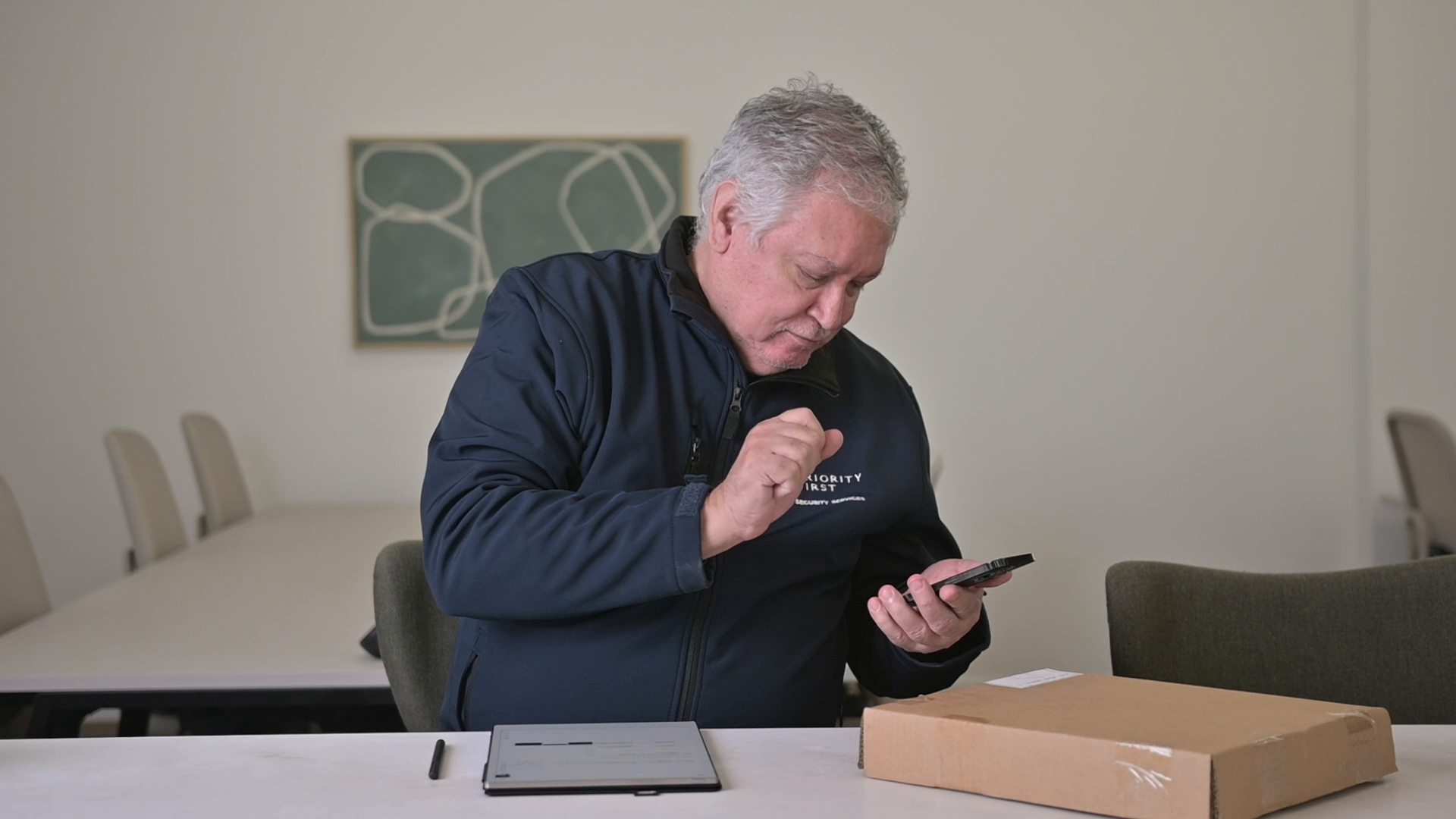
- Priority First deployed an SIA-licensed operative to a Covent Garden site within two hours of first contact after an overnight break-in — the client called at 12:30, agreed the quote on the call, and had an officer on site by 14:30.
- Common close protection scenarios include executive travel, public appearances by high-profile individuals, and people facing specific threats linked to their profession or visibility.
- Priority First has protected over £1.6 billion in client assets and holds a 5.0-star rating from 44 Google reviews.
What Is Close Protection Security?
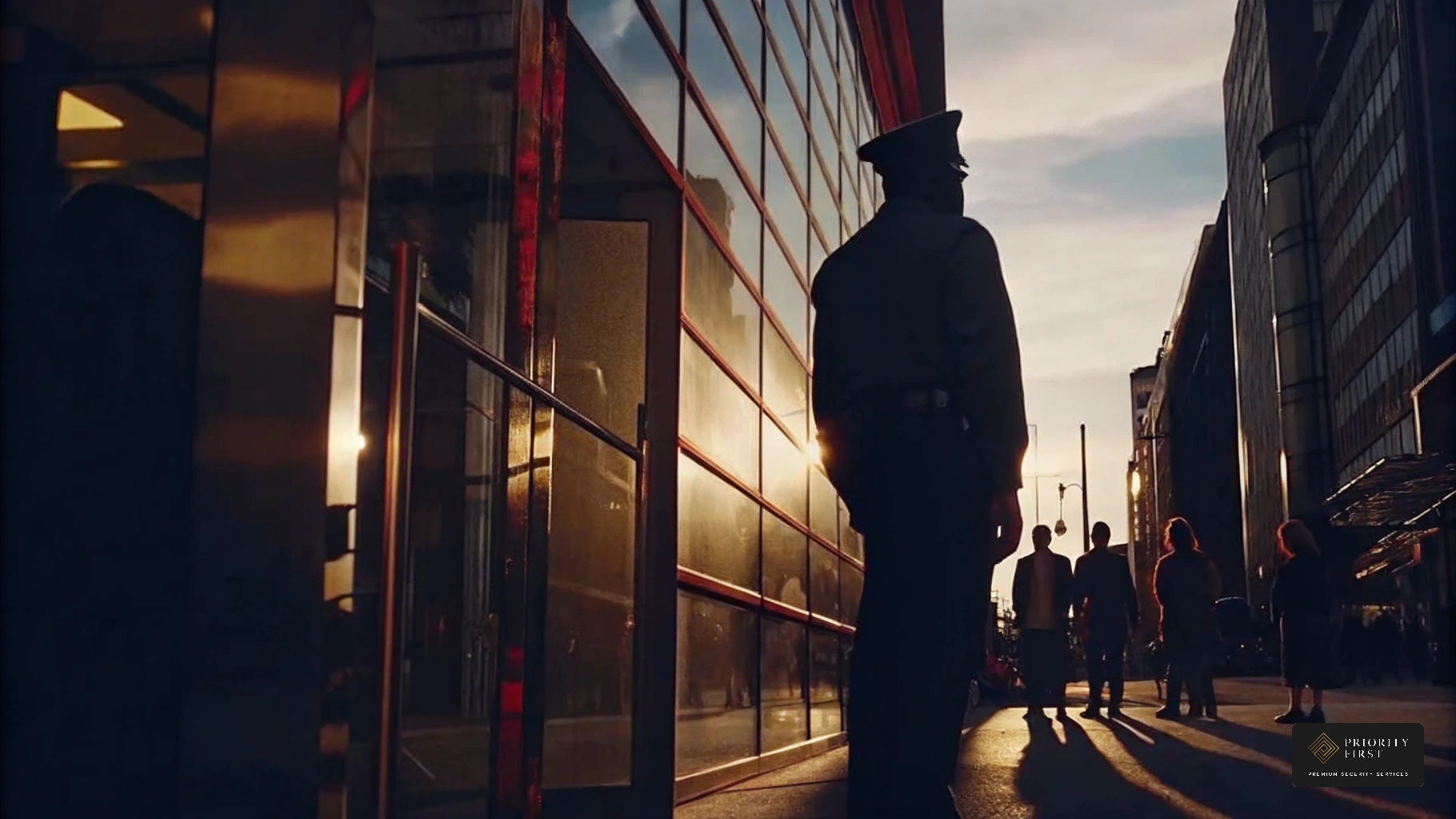
Close protection security is a personal safety service, delivered by trained Close Protection Officers (CPOs), that protects individuals against physical harm, harassment or other targeted threats. Unlike static site security, a CPO works directly alongside the client, adapting continuously to their movements, schedule and environment.
A Close Protection Officer is a security operative who conducts risk assessments, builds tailored safety plans, and carries out protective duties — including route planning, venue advance checks and incident response — specific to one client or small group. In the UK, this work falls under the Security Industry Authority (SIA), the body established under the Private Security Industry Act 2001 to regulate the private security industry. Anyone acting as a close protection operative for reward must hold a valid SIA Close Protection licence; this is a legal requirement, not an optional credential.
CPO responsibilities go beyond a visible presence. They include threat evaluation, secure transport planning, and situational awareness that allows the officer to identify and de-escalate risk before it becomes an incident. Typical scenarios calling for close protection include:
- Protecting executives during international travel
- Safeguarding public figures or celebrities at public appearances
- Supporting individuals facing specific threats linked to their profession or visibility
Anyone commissioning this kind of support should also understand how to hire a close protection officer in London, including what checks and licensing to ask for before engaging a provider.
Why Close Protection Security Matters Now
Close protection security matters because the individuals most exposed to reputational and physical risk — executives, public figures and high-net-worth clients — are also the most visible targets in an increasingly connected environment. As media coverage and public appearances have expanded, so has the practical need for dedicated, trained protection rather than ad hoc arrangements.
Engaging a trained CPO gives a client access to someone skilled specifically in anticipating and mitigating risk, rather than reacting to it after the fact. For example, during the development of a multi-use complex on Kings Road in Chelsea, Priority First provided integrated safety cover including key holding, alarm response and CCTV monitoring, keeping the site secure and organised despite heavy foot traffic and frequent deliveries. This illustrates how close protection principles — proactive risk management, constant monitoring, clear escalation routes — apply as much to sites and buildings as to individuals.
The same logic applies at high-profile public events, where discreet protective measures allow a client to maintain a normal public presence while a CPO manages the underlying risk. The core lesson is straightforward: protection spend is not simply an expense line — it is a way of preventing a smaller cost now from becoming a much larger loss, disruption or reputational event later. Anyone weighing this trade-off for a wider estate should also look at manned guarding services in central London, where the same proactive approach is applied to buildings rather than individuals.
How Did Close Protection Security Evolve?
Close protection security evolved from ancient personal-guard traditions into today's regulated, SIA-licensed profession, with formal UK licensing introduced under the Private Security Industry Act 2001. Understanding this history explains why the modern role is built around structured risk assessment rather than simple physical presence.
Personal protection has ancient roots. Historical examples include the Roman Praetorian Guard, established by Emperor Augustus, and the Persian Immortals, who protected emperors and royalty. As societies changed, the role of the bodyguard changed with them, and demand grew significantly through the 20th century as threats against public figures increased. This drove the formalisation of the personal safety industry, including structured training programmes and, in the UK, statutory licensing through the SIA.
The industry has continued to develop since, shaped by growing awareness of personal safety risk among high-profile individuals and by the integration of technology — from secure communications to real-time monitoring — into everyday protective work. Modern personal safety services typically span:
- Risk evaluation
- Threat mitigation
- Technology-assisted monitoring to address contemporary safety challenges
This evolution underlines why close protection today is a structured, licensed discipline rather than an informal arrangement, and why Priority First builds its own approach around the same principles of loyalty, adaptability and professionalism.
What Are the Key Characteristics of an Effective CPO?
An effective Close Protection Officer combines situational awareness, adaptability and strong communication skills with formal training in defensive tactics, emergency medical response and conflict resolution. These characteristics determine how quickly and safely a CPO can respond when circumstances change without warning.
A CPO must be able to read a changing environment, recognise developing risk, and act decisively to protect the client. Building trust and rapport with the client matters just as much as technical skill, since the officer typically works in close, sustained proximity to that person; emotional intelligence allows the CPO to maintain a working relationship without crossing professional boundaries.
Discretion and confidentiality are non-negotiable, given how closely CPOs work with clients' daily lives. Vulnerability assessments and risk profiling — evaluating a client's routines, locations and public profile to anticipate threats such as kidnap or targeted attack — form the analytical backbone of the role. The integration of surveillance systems and secure communication devices supports real-time monitoring and faster incident response, but technology supplements rather than replaces trained judgement.
Ongoing training is essential, since threats and tactics change over time and a CPO's skills need to keep pace. This same principle of continuous, adaptable, well-briefed cover extends to wider commercial security work — see manned guarding in central London for how comparable standards apply to static and mobile guarding contracts.
Close Protection in Practice: Common Scenarios
Close protection is most visible in high-profile situations — major public events, corporate engagements and circumstances involving a specific, identified threat to an individual. In each case, the CPO's job is to reduce risk before it materialises, not simply to respond once something happens.
Celebrities commonly engage close protection to manage risk from over-enthusiastic fans or intrusive media at public appearances. Executives require similar cover when attending conferences or visiting locations with elevated safety concerns. In each scenario, the underlying process is the same: a threat assessment, a route and logistics plan, and a protective presence sized to the actual level of risk rather than a generic template.
The psychological impact of security threats on executives and public figures is real, and can affect decision-making and day-to-day effectiveness even when no incident occurs. This is one reason early investment in protection is best understood as risk management rather than a reactive purchase — it supports continuity and confidence as much as physical safety. Priority First's own client work spans manned guarding, keyholding, alarm response, CCTV monitoring, construction site security and concierge services across prime central London (including Chelsea, Knightsbridge and Mayfair), West London, and contracts in the West Midlands and Bedfordshire, reflecting the same proactive principles that underpin close protection work.
Your close protection checklist
- Confirm the provider's CPOs hold a valid SIA Close Protection licence before engaging them
- Ask what risk assessment and threat evaluation process will be carried out before deployment
- Request a written route and logistics plan for any travel or public appearance
- Clarify how the CPO will maintain discretion and confidentiality around your movements and schedule
- Check what emergency medical and incident-response training the officer holds
- Ask how quickly the provider can deploy in a genuine emergency, and get this in writing
- Review how the provider reports and evidences patrols, checkpoints or incidents, not just promises them
- Confirm ongoing training arrangements so cover keeps pace with evolving threats
Frequently Asked Questions
What is close protection security? Close protection security is a specialised personal safety service, delivered by SIA-licensed officers, that protects individuals facing heightened risk — including threats of physical harm or harassment — through tailored risk assessment and protective planning.
Who are close protection officers (CPOs)? Close protection officers are SIA-licensed professionals responsible for conducting risk assessments, developing safety plans, and executing protective strategies tailored to each client's specific circumstances and level of risk.
What are the key responsibilities of CPOs? A CPO's core responsibilities are threat evaluation, route and logistics planning, and rapid, effective incident response, all aimed at keeping the client safe while allowing them to continue their normal activities.
Why is demand for close protection security increasing? Demand is increasing because greater public visibility — through media, public appearances and corporate profile — exposes more individuals to targeted risk, prompting more organisations and individuals to seek dedicated, trained protection rather than informal arrangements.
In what scenarios are close protection services typically provided? Close protection is typically provided during executive international travel, public appearances by celebrities or high-profile individuals, and for anyone facing specific threats linked to their profession or visibility.
What challenges do close protection officers face? CPOs face sustained psychological pressure from constant vigilance, alongside potential liability issues if an incident occurs, both of which require strong training, clear procedures and experienced supervision to manage properly.
How does investing in close protection security benefit individuals and organisations? Investing in trained protection reduces the likelihood of a serious incident and its knock-on costs — reputational, operational and financial — making it a risk-management decision rather than a discretionary expense.
Is a licence legally required to work as a close protection officer in the UK? Yes. Under the Private Security Industry Act 2001, anyone working as a close protection operative for reward in the UK must hold a valid SIA Close Protection licence; operating without one is a criminal offence.
How does close protection balance safety and privacy for high-profile individuals? Close protection is designed to be as discreet as the situation allows, so the client can maintain a normal public and private life while the CPO manages risk in the background rather than drawing attention to it.
Why is close protection security considered essential rather than optional today? For individuals facing genuine, identifiable risk, close protection is essential because informal arrangements cannot match the training, licensing and structured risk assessment that a qualified CPO brings to the role.
How Priority First Supports Clients Facing Elevated Risk
Close protection is one part of a wider security picture, and many of the same principles — rapid deployment, clear reporting, and accountable, licensed officers — apply across manned guarding, keyholding, alarm response and site security. Priority First is a Mayfair-headquartered security and facilities management company (Companies House 14830917) operating across prime central London, West London, and contracts in the West Midlands and Bedfordshire, combining SIA-licensed manned guarding with integrated building and facilities management under one accountable provider.
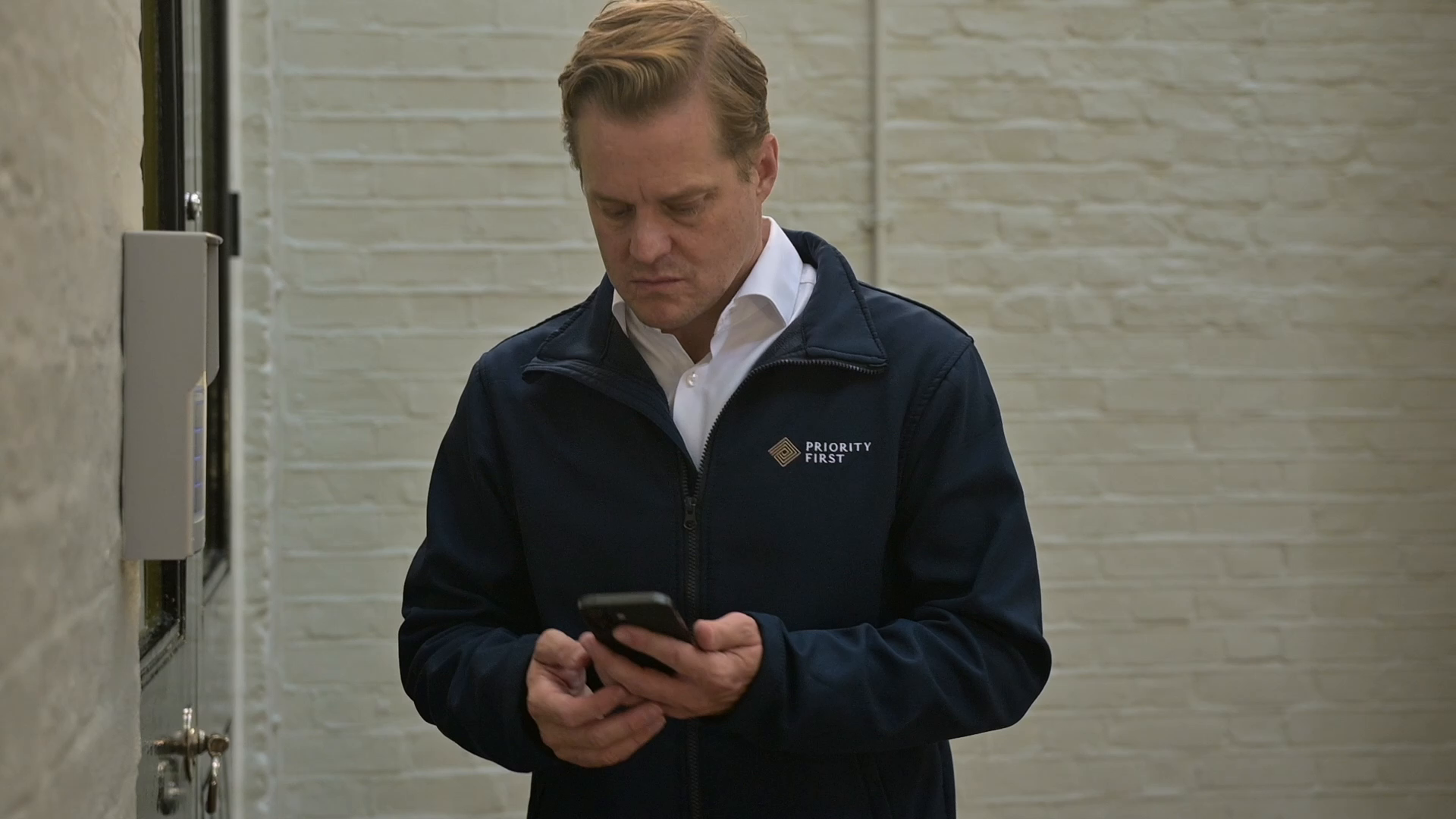
When a Covent Garden site was broken into overnight, the client called Priority First at 12:30, agreed the quote on the call, and had an SIA-licensed operative on site by 14:30 — two hours from first contact to deployment. Priority First has protected over £1.6 billion in client assets and holds a 5.0-star rating from 44 Google reviews, and its patrol and checkpoint work is photo-backed with officer ID, GPS and timestamp on every completion, so clients can see exactly what cover was delivered rather than relying on a paper log.
If you are assessing your exposure — whether that's personal protection, a vacant property, a construction site or an ongoing manned guarding contract — get in touch with Priority First for a quote and a straightforward conversation about what level of cover fits your risk.