Top Global Security Services for Construction Site Managers


Last updated: 15 July 2026
Quick Answer: Construction sites face acute security risks—theft alone costs UK businesses over £1 million weekly. Effective protection requires layered measures: SIA-licensed manned guarding, 24/7 CCTV monitoring with automated threat detection, access control systems (biometric scanners, visitor logs), trained canine units (which reduce break-ins by ~25%), alarm response teams, and regular risk assessments. Integrating these services with facilities management ensures both asset protection and operational continuity, preventing the financial, reputational, and project-timeline damage that follow security breaches.
Key Takeaways
- Construction theft costs UK businesses over £1 million every week, making robust security a financial imperative, not an optional expense.
- Layered security—combining SIA-licensed guards, CCTV with automated threat detection, access control, and canine units—reduces break-ins by approximately 25% and deters unauthorised access.
- Early investment in risk assessments and tailored security plans prevents greater losses downstream, protecting both assets (materials, equipment) and project timelines.
- Integrated facilities and security management minimises operational disruption, ensuring safety protocols support rather than hinder workflow.
- Rapid alarm response and 24/7 monitoring are critical: the first minutes after an incident determine whether assets are recovered and intruders apprehended.
Why Is Construction Site Security a Strategic Imperative?
Construction site security is a strategic imperative because the financial, operational, and reputational stakes are exceptionally high. Theft and unauthorised access cost UK construction businesses over £1 million each week, a figure that reflects not only stolen materials and equipment but also project delays, insurance premium increases, and damage to client trust. Without adequate security, sites become vulnerable to organised theft rings, vandalism, and safety incidents that can halt work entirely. Effective security measures—access control, surveillance, manned guarding, and rapid response—are not protective luxuries; they are essential components of project delivery and business continuity. Ignoring these risks exposes companies to losses that far exceed the cost of preventive measures, jeopardising profitability and long-term resilience.
In practice, the implications of inadequate security extend beyond immediate financial loss. Disrupted timelines can trigger contractual penalties, while repeated incidents erode a firm's reputation among clients and insurers. Security should be viewed as a vital component of operational infrastructure, comparable to site logistics or health and safety protocols. By prioritising robust, tailored security from the outset, construction managers protect their projects, their teams, and their bottom line.
What Tailored Security Solutions Address Construction Site Risks?
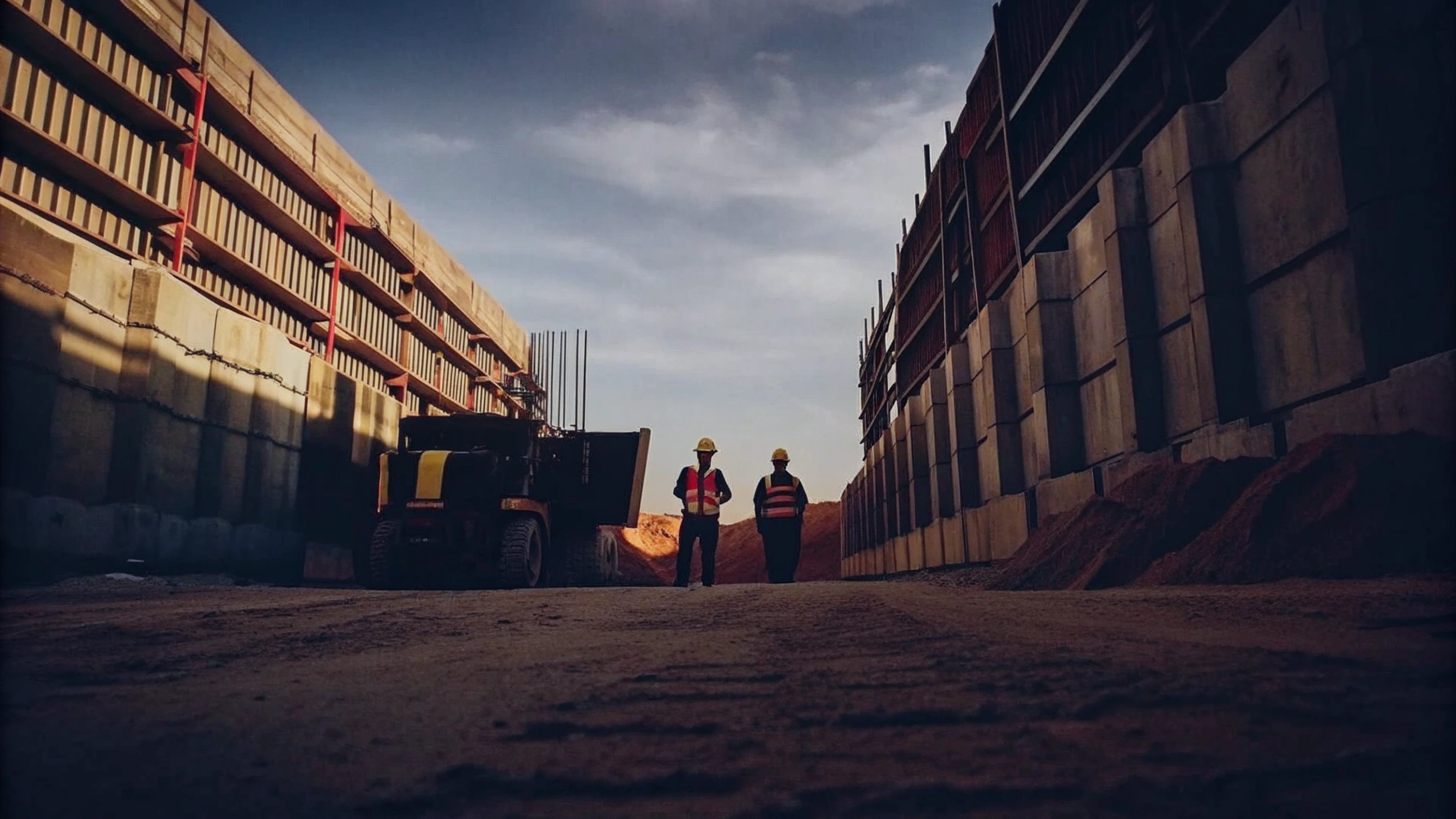
Tailored security solutions for construction sites integrate advanced technology with experienced, SIA-licensed personnel to address the sector's unique vulnerabilities. Strong access control systems—using biometric scanners, ID checks, and detailed visitor logs—regulate the flow of personnel and vehicles, ensuring that only authorised individuals enter sensitive areas. This significantly reduces the risk of theft and unauthorised entry. Proactive logistics management complements access control by organising the movement of materials and personnel, reducing delays and bottlenecks that can create security gaps.
Manned guarding by individually SIA-licensed officers provides a visible deterrent and enables rapid on-site response to incidents. These officers are trained to assess risks in real time, manage access points, and coordinate with alarm response teams. When combined with 24/7 CCTV monitoring (featuring automated threat detection and High-Volume Monitoring capabilities), site managers gain comprehensive situational awareness and the ability to intervene before incidents escalate.
Ignoring these tailored measures can lead to severe consequences. For instance, unauthorised access often results in theft of high-value equipment, disrupting project timelines and inflating costs. A pragmatic, layered approach—integrating technology, trained personnel, and proactive management—ensures that security measures adapt to the site's evolving needs, from groundworks through to handover. Early investment in these solutions prevents greater losses and supports efficient project execution.
How Does CCTV Monitoring Enhance Construction Site Surveillance?
CCTV monitoring enhances construction site surveillance by providing real-time observation, automated threat detection, and High-Volume Monitoring (HVM) capabilities that allow managers to respond immediately to suspicious behaviour. Advanced CCTV systems incorporate motion analytics and perimeter alerts, flagging unauthorised access or unusual activity before it escalates into theft or vandalism. This proactive surveillance deters opportunistic crime—potential intruders are far less likely to target a site with visible, monitored cameras—and supports compliance with safety regulations by documenting site activity.
Effective CCTV surveillance also provides evidential value. In the event of an incident, recorded footage can identify perpetrators, support insurance claims, and assist law enforcement. When integrated with alarm response teams, CCTV monitoring enables rapid, informed intervention: response teams arrive on-site with situational awareness, reducing the window for theft or damage.
The financial case is compelling. Construction theft costs UK businesses over £1 million weekly, and sites without comprehensive surveillance face higher rates of loss. Ignoring CCTV investment exposes businesses to significant financial, operational, and reputational damage. By contrast, early investment in monitored CCTV systems strengthens asset protection, ensures regulatory compliance, and reinforces business resilience. Security is not an expense—it is a foundational element of operational continuity.

Why Are Canine Units Effective Deterrents for Construction Sites?
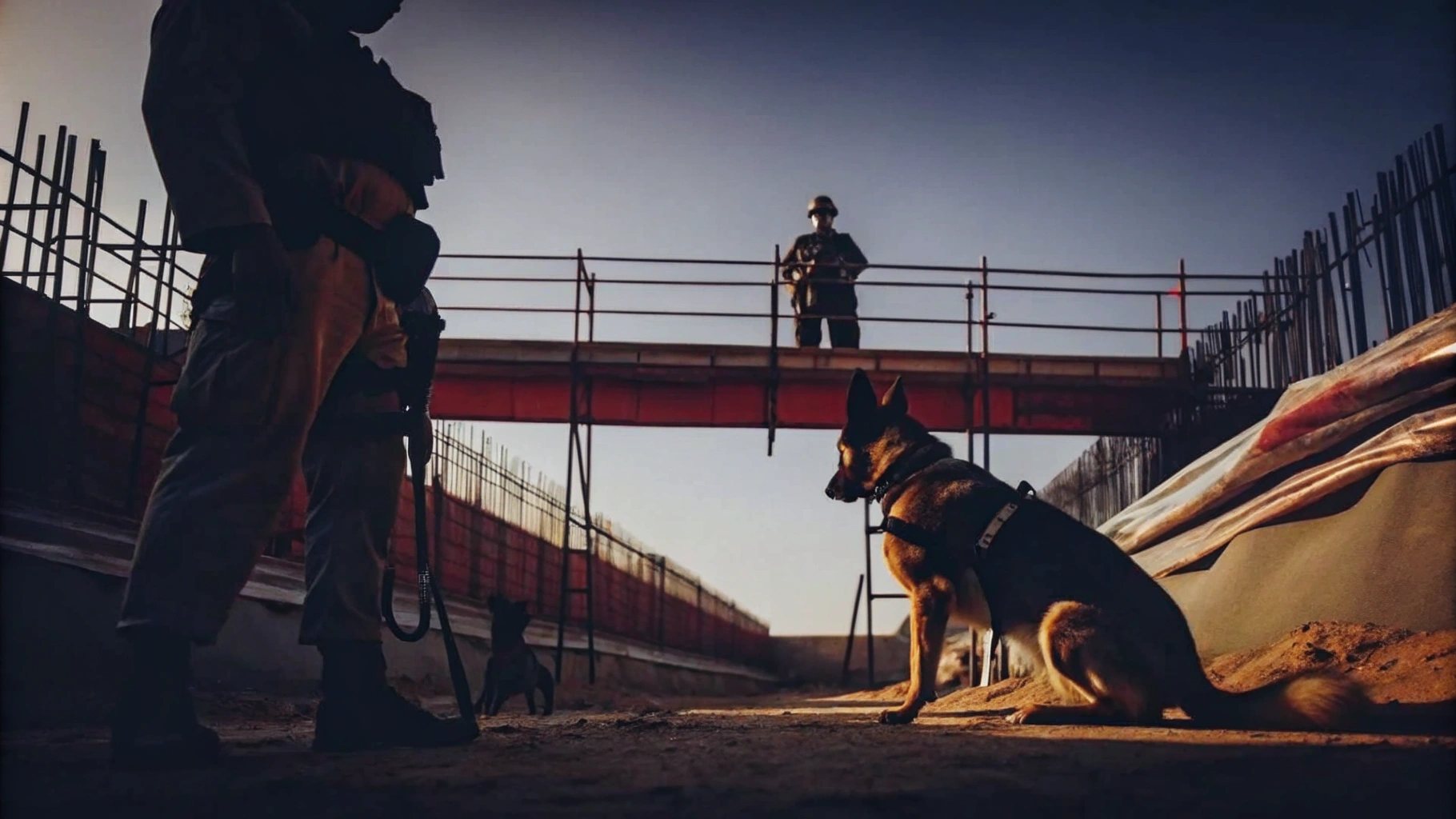
Canine units are effective deterrents for construction sites because trained dogs combine heightened senses, agility, and a visible presence that drastically reduces the likelihood of unauthorised access. Research shows that sites employing canine protection experience approximately 25% fewer break-ins compared to those relying solely on human guards or surveillance systems. The mere presence of a canine unit signals robust security, deterring opportunistic thieves and organised criminals alike.
Trained canine units excel at monitoring large or complex sites, identifying intruders quickly, and responding to disturbances with speed that human patrols cannot match. Their acute hearing and sense of smell enable early detection of trespassers, even in low-visibility conditions. When integrated with manned guarding and CCTV monitoring, canine services create a layered security approach that addresses multiple threat vectors simultaneously.
It is crucial that canine units are well-trained and that handlers hold NASDU (National Association of Security Dog Users) certification. Proper training and welfare standards maximise effectiveness and ensure humane, professional deployment. A recent luxury hotel project in Chelsea demonstrated this: the site remained secure and organised throughout construction, with canine services playing a central role in deterring theft and maintaining site discipline. Investing in professionally managed canine units today prevents greater losses tomorrow, reinforcing both asset protection and operational confidence.
How Does Executive and Close Protection Safeguard Key Personnel?
Executive and close protection services safeguard key personnel on construction sites by assessing risks and implementing tailored strategies that allow executives, project directors, and essential staff to focus on their responsibilities without safety concerns. Trained protection specialists—individually SIA-licensed—conduct threat assessments, manage secure access routes, and provide discreet, mobile protection during site visits or high-risk phases of construction.
The reality is that construction sites can attract unwanted attention, particularly high-value or high-profile projects. Without close protection, senior personnel may face risks ranging from opportunistic theft to targeted threats. Ignoring these risks can lead to costly disruptions: construction theft costs UK businesses over £1 million weekly, and incidents involving key personnel can halt decision-making, delay projects, and damage reputations.
Close protection services integrate seamlessly with broader site security measures, including manned guarding, CCTV monitoring, and access control. This layered approach ensures that executives and essential staff can move safely within the site and to/from external meetings, while the wider security framework protects assets and maintains operational continuity. Investing in close protection is not merely an expense; it is a critical component of business continuity, ensuring that leadership remains safe, focused, and effective throughout the project lifecycle.
What Role Does Alarm Response Play in Preventing Security Breaches?
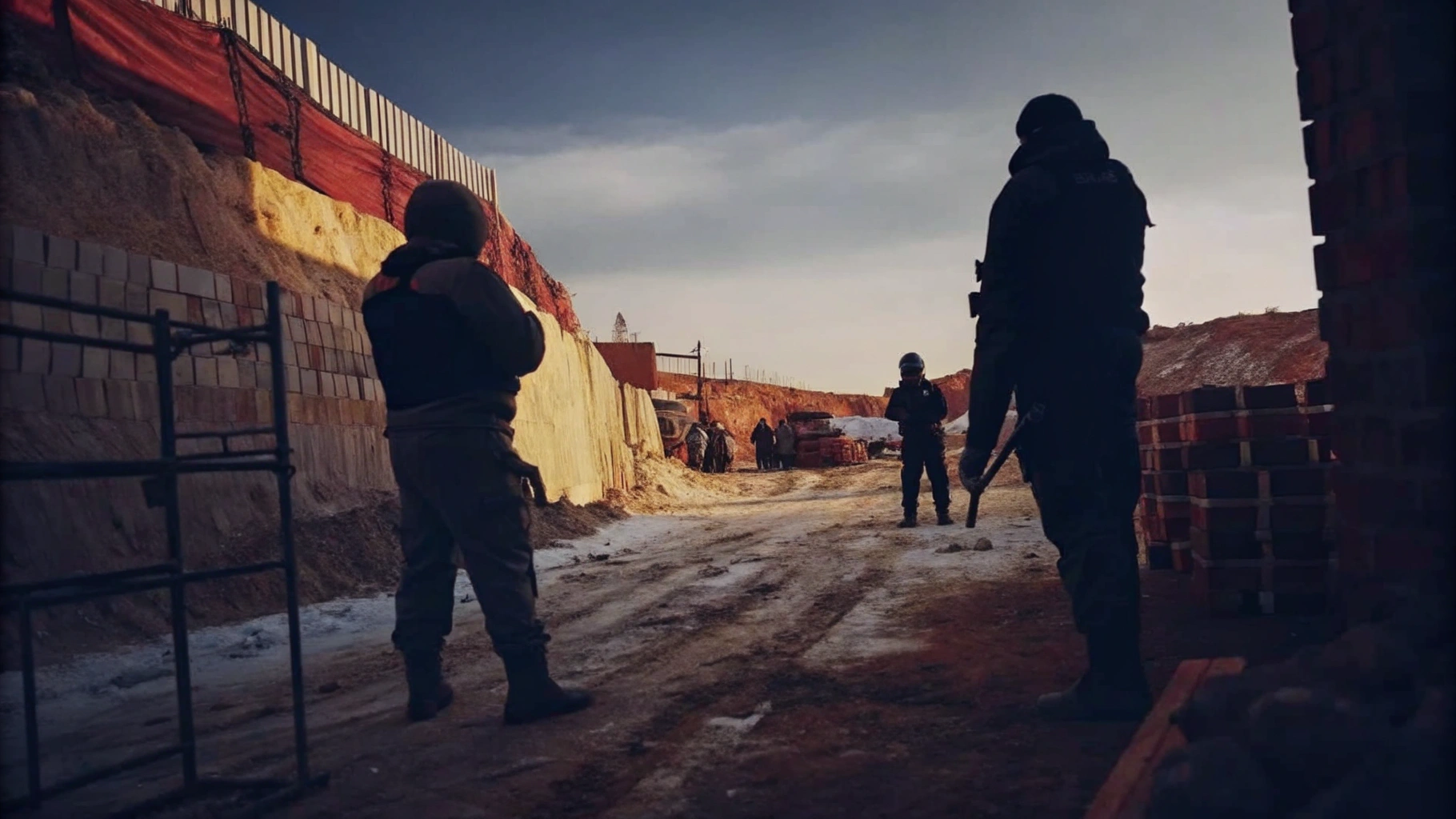
Alarm response systems play a crucial role in preventing security breaches by providing immediate, informed action when unauthorised access or suspicious activity is detected. With 24/7 monitoring and dedicated rapid response teams, alarm systems ensure that breaches are addressed within minutes—often before significant loss or damage occurs. Security experts emphasise that "the first few minutes after an incident are critical in determining the outcome"; swift intervention can mean the difference between recovering stolen materials and suffering a costly, disruptive theft.
In practice, alarm response integrates with CCTV monitoring and access control systems to provide situational awareness. When an alarm is triggered, response teams receive real-time information—camera feeds, access logs, site plans—enabling them to assess the threat and coordinate with on-site guards or law enforcement as needed. A recent theft attempt at a London construction project was thwarted within minutes thanks to rapid alarm response: stolen materials were recovered, intruders apprehended, and the site secured with minimal disruption.
Ignoring alarm response capabilities exposes sites to significant financial, operational, and reputational damage. Construction theft costs UK businesses over £1 million weekly, and delayed or absent response can turn a minor incident into a major loss. Early investment in comprehensive alarm response—combined with facilities management and manned guarding—prevents greater losses down the line and reinforces business resilience. Security is not an expense; it is a fundamental aspect of operational continuity.
How Does Event Security Protect Construction Site Gatherings?
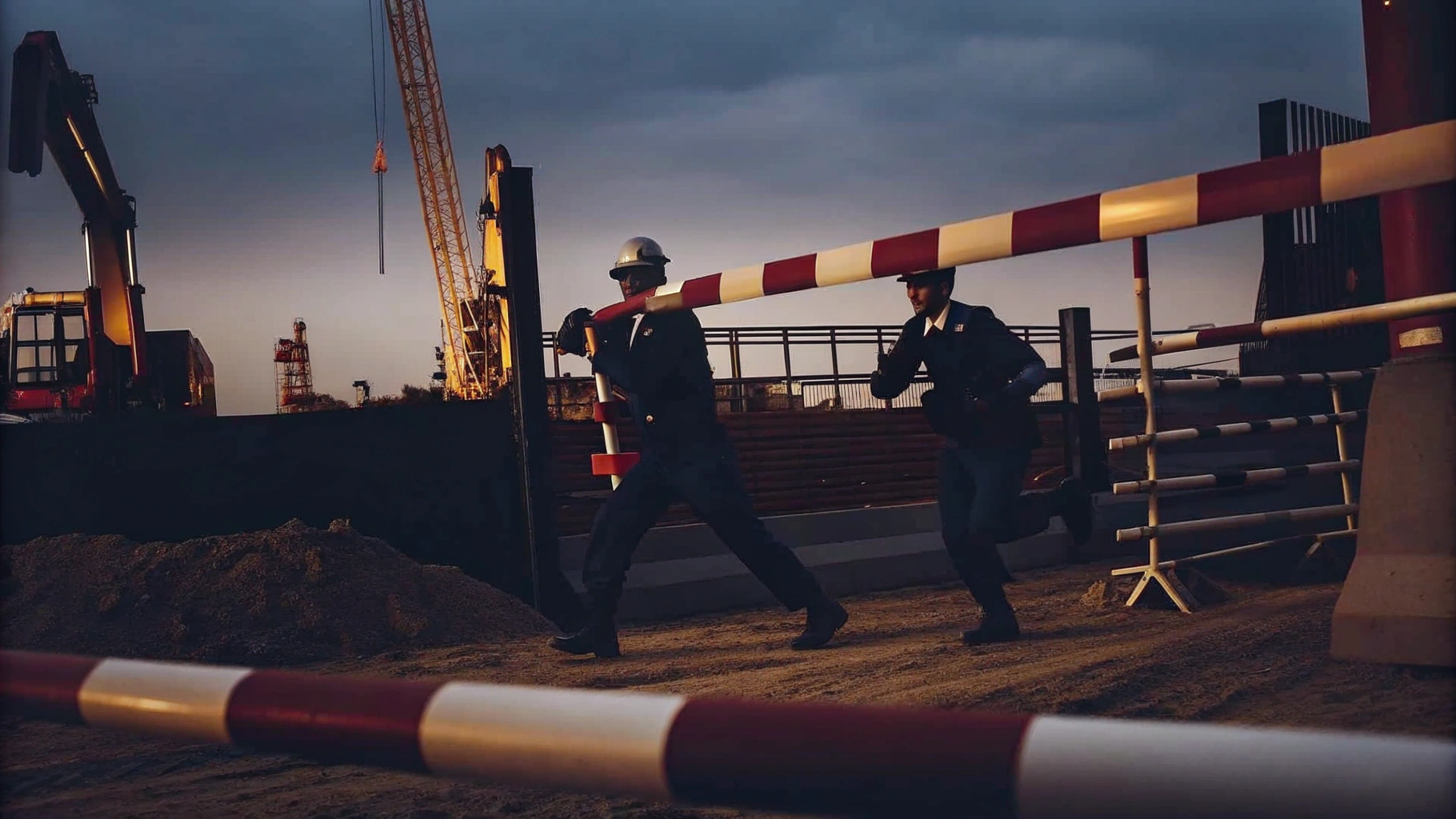
Event security protects construction site gatherings—such as project launches, community consultations, or contractor briefings—by managing access, monitoring activities, and responding to incidents in real time. Without proper security, these events expose businesses to risks including unauthorised access, theft of materials or equipment, and safety incidents involving attendees. Specialised security staff, individually SIA-licensed, implement tailored plans that regulate entry (using visitor logs, ID checks, and temporary access credentials), monitor crowd flow, and coordinate with on-site guards and CCTV systems.
In practice, effective event security ensures that gatherings proceed smoothly while maintaining site integrity. For instance, construction theft costs UK businesses over £1 million weekly; an unsecured event can provide opportunistic thieves with access to high-value areas. Ignoring event security needs can lead to financial losses, operational disruptions, and reputational damage—particularly if incidents occur in front of clients, investors, or community stakeholders.
A comprehensive event security strategy integrates with broader site protection measures, ensuring that temporary access does not compromise ongoing security protocols. By implementing these measures, site managers foster a secure environment for all attendees, optimise security resources, and ensure compliance with health and safety regulations. Investing in event security now prevents greater losses later, enhancing operational efficiency and contributing to overall business resilience.

Why Is Access Control Essential for Managing Site Entry and Exit?
Access control is essential for managing site entry and exit because it ensures that only authorised personnel gain access to construction sites, protecting valuable materials, equipment, and personnel. By employing technologies such as biometric scanners, ID checks, and detailed visitor logs, site managers can accurately track who is on-site at any given time—critical for emergency response, accountability, and compliance with health and safety regulations.
Recent statistics reveal that sites without robust access control measures face a 30% higher rate of theft compared to those with stringent protocols. Unauthorised access incidents lead to substantial losses, including theft of materials and equipment, as well as safety risks when untrained or malicious individuals enter hazardous areas. One security expert stated, "A secure location is one where access is tightly controlled; every entry and exit should be monitored to prevent unauthorised access and ensure safety."
Real-world examples underscore this point. A major construction project in London implemented a state-of-the-art access control system, resulting in a 50% reduction in unauthorised entries within the first month. This not only protected valuable assets but also improved overall site safety by ensuring that only trained, vetted personnel were present. By prioritising access control, construction managers foster a secure environment that safeguards both people and property, enhances operational efficiency, and supports long-term project success.

How Do Risk Assessments Identify Construction Site Vulnerabilities?
Risk assessments identify construction site vulnerabilities by systematically analysing potential threats—theft, unauthorised access, fire, vandalism, health and safety hazards—and evaluating the likelihood and impact of each. Site managers conduct routine assessments at key project stages (groundworks, fit-out, handover) to ensure that security measures remain relevant and effective as the site evolves. These assessments consider factors such as site layout, access points, high-value materials, lighting, perimeter security, and proximity to public areas.
The reality is that construction theft costs UK businesses over £1 million weekly, a figure that underscores the need for proactive risk management. By failing to assess and address vulnerabilities, companies expose themselves to unnecessary losses, operational disruptions, and reputational damage. Risk assessments enable managers to implement targeted protective measures—such as enhanced access control at vulnerable entry points, additional CCTV coverage in high-value storage areas, or increased manned patrols during high-risk phases.
Routine risk assessments also support compliance with health and safety regulations and insurance requirements, demonstrating due diligence and reducing liability. In practice, a comprehensive risk assessment conducted at the outset of a project can prevent greater losses down the line, ensuring that security measures are proportionate, cost-effective, and aligned with the site's specific needs. Security is not merely an expense; it is essential for business continuity and long-term resilience.
How Does Facilities Management Integrate Security with Operational Efficiency?
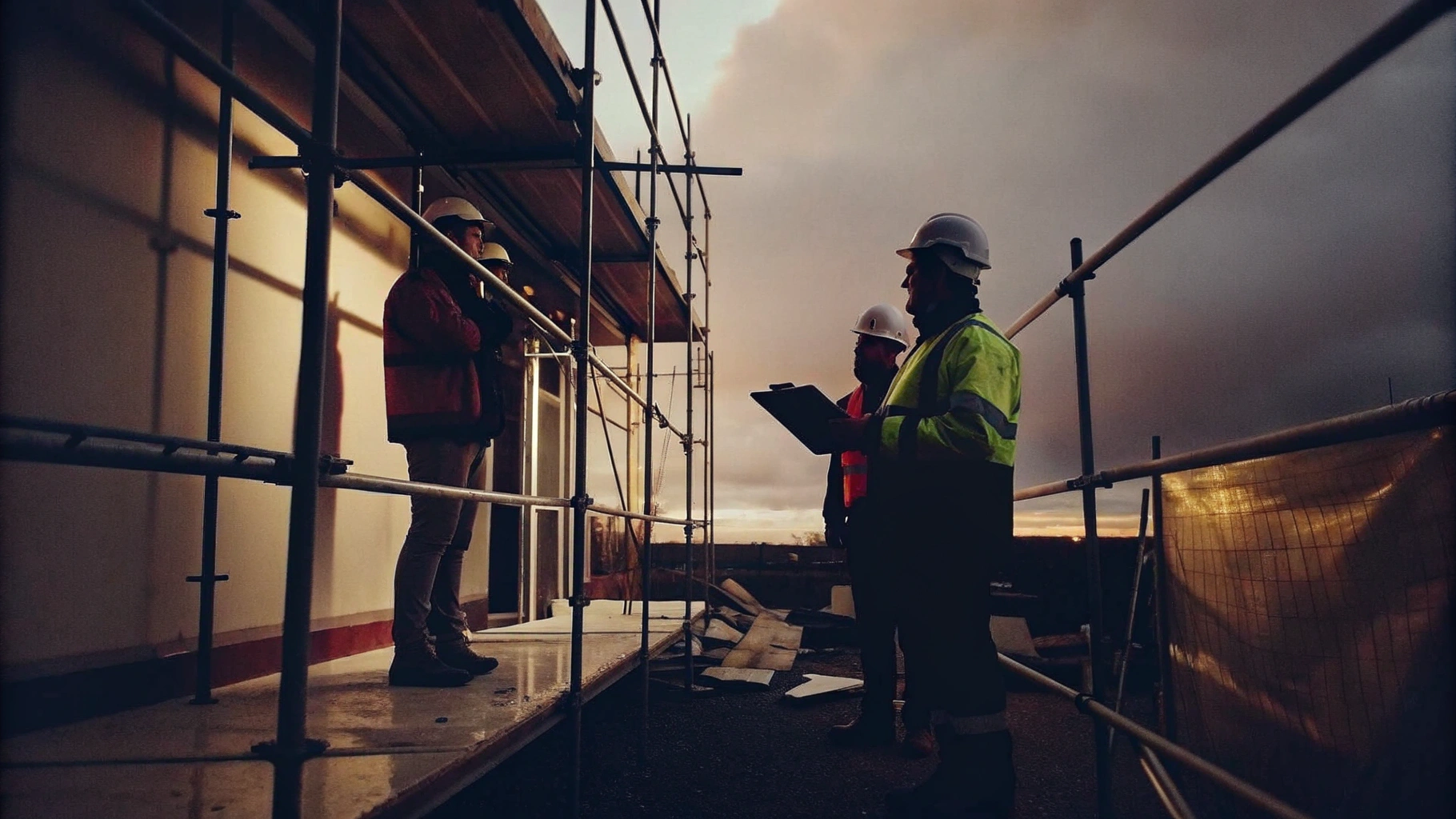
Facilities management integrates security with operational efficiency by embedding protective measures—manned guarding, CCTV monitoring, access control—within daily site operations, ensuring that safety protocols support rather than hinder workflow. A comprehensive facilities management approach includes maintenance, cleaning, health and safety compliance, and security, all coordinated under a single accountable partner. This integration minimises disruptions: security staff can coordinate with facilities teams to manage deliveries, contractor access, and site logistics, reducing delays and bottlenecks.
The reality is that cohesive security and facilities management create a secure environment that boosts overall project effectiveness. For example, manned guards who understand site logistics can regulate access efficiently, preventing unauthorised entry without slowing legitimate work. CCTV monitoring supports both security and operational oversight, enabling managers to identify workflow issues (such as congestion at access points) alongside security threats.
Ignoring the integration of security and facilities management can lead to significant financial losses, operational setbacks, and reputational damage. Construction theft costs UK businesses over £1 million weekly, and disjointed security measures can create vulnerabilities or disrupt critical workflows. In practice, investing in integrated facilities and security management is not merely an expense; it is a strategic move towards ensuring business continuity. By prioritising both safety and operational efficiency, companies safeguard their assets, maintain project timelines, and ensure long-term resilience.

How Does Predictive Risk Modelling Anticipate Construction Site Threats?
Predictive risk modelling anticipates construction site threats by analysing data patterns—historical theft incidents, site layout, access patterns, local crime trends, project phase—to pinpoint vulnerabilities and forecast where and when security breaches are most likely to occur. Site managers use these insights to implement preventive measures before incidents arise, such as increasing patrols during high-risk hours, reinforcing access control at vulnerable entry points, or deploying additional CCTV coverage in areas identified as theft hotspots.
The reality is that neglecting predictive risk modelling can lead to significant financial losses, operational setbacks, and reputational damage. Construction theft costs UK businesses over £1 million weekly; ignoring data-driven risk insights is not an option. Predictive modelling enables proactive rather than reactive security, reducing the likelihood of costly disruptions and ensuring that security resources are deployed where they will have the greatest impact.
In practice, predictive risk modelling integrates with tailored security plans, combining advanced technology (CCTV analytics, access control data) with the expertise of SIA-licensed personnel on-site. This visible, informed presence deters crime and ensures rapid responses to any issues that arise. Security is not merely an expense; it is a vital component of business continuity. By investing early in predictive risk modelling and robust security measures, construction managers prevent greater losses down the line, ensuring long-term project success and resilience.
Conclusion
Prioritising security in construction site management is a strategic imperative, not merely an operational necessity. Construction theft and unauthorised access pose extensive risks—costing UK businesses over £1 million weekly—that can derail projects, inflate costs, and damage reputations. By investing in tailored, layered security solutions, construction managers significantly mitigate these vulnerabilities, ensuring the safety of personnel and assets while maintaining project timelines.
In practice, effective construction site security integrates multiple elements:
- Advanced CCTV monitoring with automated threat detection and 24/7 oversight
- Canine services that reduce break-ins by approximately 25%
- Executive and close protection for key personnel
- Alarm response systems that intervene within minutes of a breach
- Comprehensive risk assessments that identify and address vulnerabilities proactively
Each of these components plays a vital role in creating a secure environment that protects valuable materials, enhances operational efficiency, and supports business continuity. The lesson is clear: integrating these services demonstrates a proactive approach to safeguarding construction sites, ultimately contributing to resilience and long-term success.
As the construction industry faces increasing security challenges in 2026, prioritising effective, data-driven security measures will not only protect assets but also foster a culture of safety and accountability. What is the real cost of leaving a site unguarded? Embracing these practices today leads to significant long-term benefits, ensuring that construction projects are executed smoothly, securely, and profitably.
Securing Construction Sites: Priority First's Integrated Approach
Construction security is not a standalone concern—it is inseparable from effective project delivery and facilities management. Priority First brings both disciplines together under one accountable partner, combining SIA-licensed manned guarding, 24/7 CCTV monitoring, access control, and alarm response with comprehensive building and site management services. This integrated approach ensures that security measures support rather than disrupt workflow, protecting assets while maintaining operational efficiency.
Operating from our Mayfair headquarters, Priority First serves construction sites across prime central London and nationwide, with a proven track record of securing high-value projects in demanding environments. Our construction security services are tailored to each site's unique risks and project phases, from groundworks through to handover, ensuring that protection evolves as your site does.
For a tailored assessment of your construction site's security and facilities management needs, contact Priority First or request a complimentary construction security risk evaluation.
Frequently Asked Questions
What are the main security challenges in the construction sector?
The construction sector faces significant security challenges, with theft costing UK businesses over £1 million weekly. Unauthorised access, vandalism, and equipment theft disrupt project timelines, inflate costs, and damage reputations. Ignoring these risks can lead to severe financial, operational, and reputational consequences, making robust security measures essential for business continuity.
How does layered security address construction site risks?
Layered security integrates multiple measures—SIA-licensed manned guarding, CCTV monitoring with automated threat detection, access control systems (biometric scanners, visitor logs), canine units, and alarm response—to address different threat vectors simultaneously. This approach reduces break-ins by approximately 25%, deters opportunistic theft, and ensures rapid intervention when incidents occur, protecting both assets and project timelines.
What is the role of CCTV monitoring in construction site security?
CCTV monitoring provides real-time surveillance, automated threat detection, and High-Volume Monitoring (HVM) capabilities that enable immediate responses to suspicious behaviour. Advanced systems incorporate motion analytics and perimeter alerts, deterring theft and vandalism while supporting compliance with safety regulations. Recorded footage also provides evidential value for insurance claims and law enforcement.
How can canine services improve security at construction sites?
Canine services act as a significant deterrent against unauthorised access. Trained canine units, handled by NASDU-certified professionals, monitor large or complex sites, identify intruders quickly, and respond to disturbances with speed and agility. Research shows that sites employing canine protection experience around 25% fewer break-ins compared to those without.
What are the benefits of investing in security measures early on?
Early investment in security measures—risk assessments, access control, CCTV, manned guarding—prevents greater losses down the line. Construction theft costs UK businesses over £1 million weekly; proactive security protects assets, maintains project timelines, reduces insurance premiums, and ensures business continuity. Security is not an expense; it is a strategic investment in operational resilience.
What is the importance of having trained dogs and certified handlers in security services?
Properly trained dogs and NASDU-certified handlers maximise the effectiveness of canine security services. Training ensures that dogs can identify threats, respond appropriately, and work safely alongside site personnel. Certification demonstrates professional standards and humane deployment, giving site managers confidence that canine units will deliver reliable, effective protection.