


How to Choose the Best Security Company for Your Construction Site

Last updated: 15 July 2026
Quick Answer
Selecting the optimal security company for a construction site requires evaluating the site's specific security needs, the provider's construction-sector experience (ideally 10+ years), and the technology they deploy—particularly CCTV monitoring, access control, and real-time incident reporting. With 92% of construction sites experiencing theft or vandalism, a well-informed choice safeguards assets, ensures workforce safety, and supports project continuity (CIOB).
Key Takeaways
- Assess site-specific risks first: Location, project size, access points, and asset value dictate the scale and type of security required—92% of construction sites face theft or vandalism.
- Prioritise construction-sector experience: Choose providers with a proven track record in construction security, SIA-licensed guards, and knowledge of industry regulations.
- Leverage modern technology: Advanced CCTV monitoring, access control systems, AI-driven threat detection, and real-time incident reporting significantly reduce risk.
- Review client testimonials and case studies: Long-term client relationships and documented project successes reveal reliability and adaptability.
- Integrate security with facilities management: A unified approach ensures sites remain secure, compliant, and operationally efficient throughout the project lifecycle.
What Security Needs Should You Identify for Your Construction Site?
Commence with a thorough evaluation of your construction site, as this is crucial for implementing effective protection strategies. Understanding your site's unique vulnerabilities allows you to design a security plan that scales with your project and addresses every potential weakness. Consider the following factors:
- Site Location: Assess whether the location falls within a high-crime zone or a secluded area. Statistics indicate that 92% of construction sites experience theft and vandalism, highlighting the urgent need for robust protective measures in at-risk regions.
- Project Size and Scope: Larger projects typically necessitate more personnel and equipment to secure the site effectively. A comprehensive protective strategy should scale with the project's demands, incorporating logistics management to ensure organised movement and minimise delays.
- Assets at Risk: Identify valuable equipment, materials, and tools requiring protection from theft or vandalism. Implementing suitable locking systems and secure storage options can significantly reduce the risk of loss.
- Access Points: Evaluate the number of entry and exit points and how they can be monitored or controlled. Effective perimeter protection—such as a two-metre fence with locks—acts as a physical barrier and deterrent against unauthorised access, a vital aspect of comprehensive access control.
- Workforce Safety: Prioritise the safety of workers on-site by considering potential hazards arising from unauthorised access. Sufficient lighting and visible protective measures can enhance safety and deter criminal behaviour, ensuring a secure environment for all personnel.
- Professional Monitoring Services: Consider engaging professional monitoring services for real-time threat verification and immediate response to incidents, ensuring continuous oversight of your site.
- On-Site Guards: Deploying on-site personnel provides a human presence that deters intruders and facilitates prompt action during incidents, further strengthening your protective measures.
- Security Audit and Requirements Assessment: Conduct a security audit or Requirements Assessment (RA) to pinpoint vulnerabilities and establish a solid protection plan. This proactive approach is essential for effective risk mitigation.
By clearly identifying these requirements and collaborating with an experienced security provider, you can devise a comprehensive protection strategy that addresses all potential weaknesses, ensuring that your site is well-guarded against the various threats faced in the construction sector.
How Do You Evaluate a Security Company's Construction Experience?
When evaluating a security provider for your construction site, industry-specific experience is paramount. Construction sites present unique challenges—high-value mobile assets, multiple access points, transient workforces, and evolving site layouts—that demand tailored security solutions. Prioritise companies that specialise in construction site protection and have a proven track record in managing similar projects.
Industry Experience: Look for providers with at least 10–15 years of dedicated experience in construction security. Companies with deep sector knowledge understand the unique hazards associated with construction environments and can deliver tailored protection solutions. For example, a provider with extensive experience will know how to adapt security measures as a site evolves from groundworks to fit-out. In 2023, there were 12,979 break-ins at construction sites in the UK, underscoring the necessity of selecting a provider with substantial experience in safeguarding construction projects.
Client Portfolio: Assess their history of clients and projects to gauge their level of experience. Successful partnerships—including those with luxury residential developments, commercial builds, and logistics centres—illustrate a company's ability to adapt to specific client needs and enhance site safety.
Regulatory Compliance: Ensure the company is well-versed in industry regulations and safety standards pertinent to construction sites. This knowledge is vital for maintaining compliance and safeguarding personnel and assets.
Training and Certification: Verify that security personnel are specifically trained in construction site safety, including emergency response and safety protocols. All security staff must hold individual SIA licences (a legal requirement for security operatives in the UK) and be trained in managing trespassers, theft prevention, and emergency situations. Companies that employ only fully qualified, SIA-licensed guards significantly enhance on-site protection.
By focusing on these factors, you can effectively identify providers that are prepared to meet your project's security needs, ultimately securing your investments and ensuring project continuity.
What Technology and Tools Should Security Providers Use?
When evaluating potential security providers for your construction site, it is essential to assess their technological capabilities. Modern security technology not only deters theft and vandalism but also enables rapid response to incidents and provides valuable data for ongoing risk management. Focus on the following key areas:
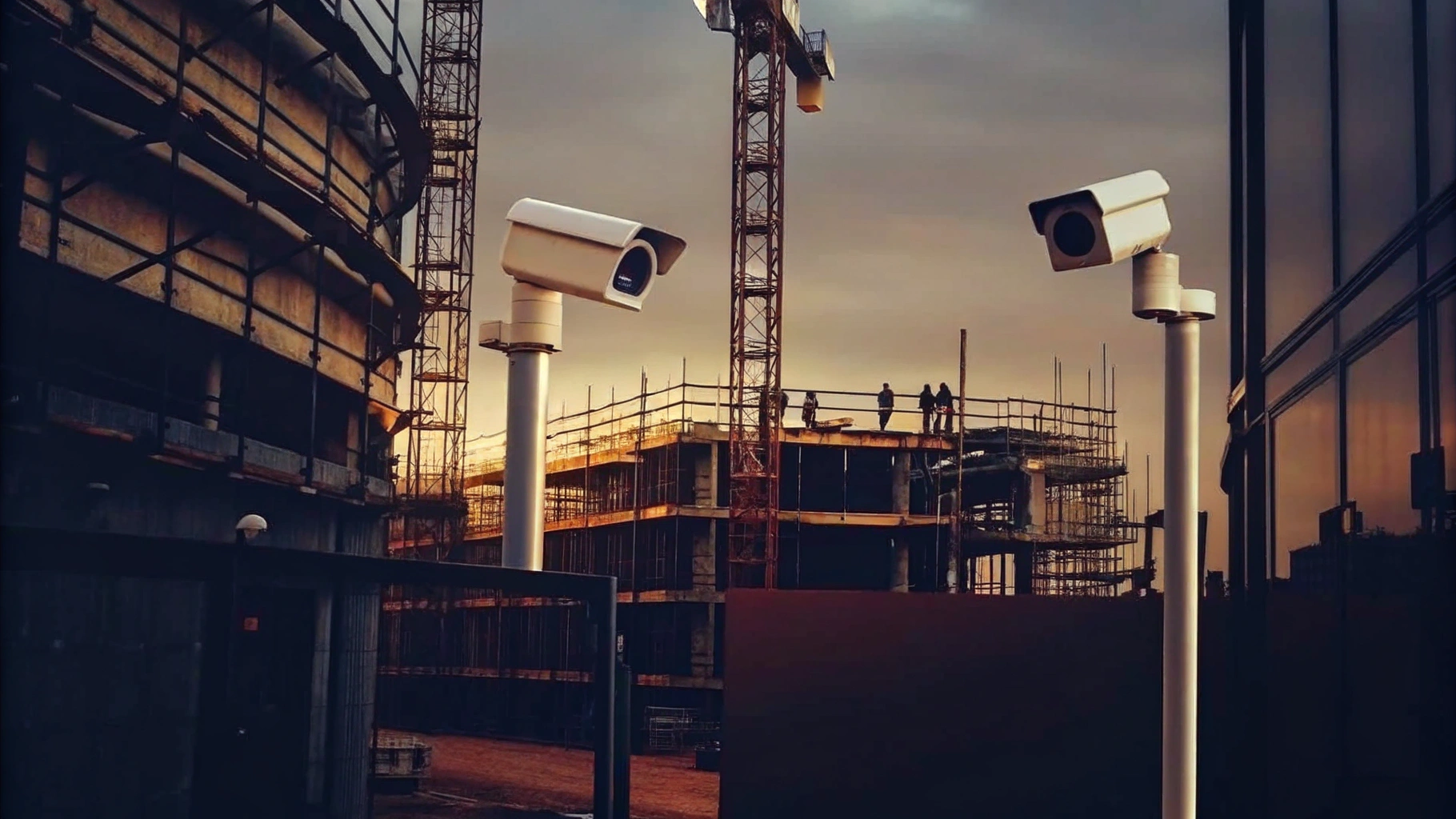
Surveillance Systems: Advanced CCTV systems are crucial, equipped with features such as remote monitoring, motion detection, and high-resolution recording. Professional CCTV monitoring services provide round-the-clock surveillance, deterring theft and enabling swift responses to security breaches. This service is particularly valuable for construction sites, as it significantly enhances safety by ensuring that any unusual activity is promptly addressed. A construction site in London saw a marked reduction in theft incidents after installing Axis surveillance cameras, which aided in identifying and apprehending suspects.
Access Control Solutions: Inquire about access control measures, including keycard systems, biometric scanners, or mobile-app-based entry. Efficient access control is vital for limiting unauthorised entry, thereby enhancing overall site protection. Scalable access control systems tailored to various project sizes ensure only authorised personnel can access sensitive areas.
Incident Reporting Tools: Evaluate whether the provider has intelligent reporting systems that deliver real-time notifications and insights into incidents. Such tools facilitate immediate responses and assist in documenting activities for future analysis, which is critical for maintaining compliance with safety regulations.
Integration with AI: Seek companies that leverage AI for threat detection and predictive risk modelling. AI-driven technologies can analyse historical data to identify vulnerabilities, significantly bolstering overall protection. As industry experts note, the incorporation of advanced safety technologies is no longer a luxury but a necessity for construction sites, fostering a proactive safety culture and reducing incident rates.
Routine System Updates and Maintenance: Ensure the provider emphasises the importance of routine system updates and maintenance to keep protective measures effective and current.
By prioritising service providers that employ modern technology and maintain their systems, you can foster a more secure construction environment, ultimately safeguarding valuable assets and ensuring project continuity.
Why Should You Review Client Testimonials and Case Studies?
To effectively assess the performance of potential security companies, client testimonials and case studies offer invaluable insight into reliability, adaptability, and service quality. Real-world examples reveal how a provider responds to challenges, manages complex environments, and builds long-term client relationships. Consider several strategies that can guide your decision-making process:
Read Testimonials: Explore reviews on the company's website and independent platforms to gauge client satisfaction and service quality. Constructive comments from project managers can provide vital insights into the dependability and efficiency of security services.
Request Case Studies: Inquire about specific examples of previous projects, particularly those that reflect your construction challenges. Successful providers will have documented examples of managing complex environments—such as multi-use developments—where they provided key holding, CCTV monitoring, and logistics management to maintain safety and efficiency on site.
Evaluate Long-term Relationships: Focus on companies that have established long-term partnerships with clients. Providers that emphasise loyalty and unwavering support in every client relationship demonstrate their commitment to enduring partnerships.
Check for Awards or Recognitions: Investigate any industry accolades or honours that highlight the company's commitment to excellence in security services. This can further validate their reputation and effectiveness in delivering tailored protective solutions.
Consider Integrated Services: Understand how facilities management connects with security services. Providers that offer a comprehensive approach—integrating security with facilities management—ensure your premises are well-maintained, protected, and compliant with applicable regulations.
By thoroughly reviewing testimonials and case studies, and considering integrated services, you can make a more informed decision about which security provider will adequately meet your construction site's needs, ultimately ensuring a safer and more efficient working environment.

Conclusion
Choosing the right security company for a construction site is pivotal in safeguarding assets and ensuring a safe working environment. Security challenges in the construction industry are often underestimated, leading to significant vulnerabilities. By thoroughly assessing specific security needs and collaborating with experienced providers, businesses can develop a tailored protection strategy that effectively addresses these vulnerabilities and mitigates risks.
Key considerations include:
- Evaluating the company's industry experience
- Client portfolio
- Regulatory compliance
- The technology they employ
Providers with extensive backgrounds in construction security demonstrate adaptability and a commitment to client safety. Leveraging advanced technology—such as CCTV systems, access control measures, and AI-driven threat detection—can significantly enhance site protection. Furthermore, client testimonials and case studies provide insight into a company's reliability and effectiveness, reinforcing the importance of choosing a trusted partner.
Ultimately, investing time in selecting the right security provider not only protects valuable assets but also fosters a culture of safety on construction sites. As the construction industry continues to face various security challenges, prioritising robust security measures is essential for ensuring project continuity and success.
Integrated Security and Facilities Management for Your Construction Site
Construction site security is most effective when it forms part of a broader, integrated approach to site management. Priority First combines specialist construction security—SIA-licensed manned guarding, CCTV monitoring, key holding, and alarm response—with comprehensive facilities management, ensuring your site remains secure, compliant, and operationally efficient throughout the project lifecycle. With over 15 years' experience serving prime central London and nationwide, Priority First has successfully managed complex environments including luxury residential developments and commercial builds, delivering tailored security strategies that adapt as your project evolves. Get in touch for a no-obligation quote and discover how an integrated security and facilities partner can safeguard your investment.
Frequently Asked Questions
Why is it important to evaluate the construction site location?
Evaluating the construction site location is crucial for implementing effective protection strategies. The location helps identify whether the area is in a high-crime zone or a secluded area, which directly influences the level of security needed. With 92% of construction sites experiencing theft or vandalism, understanding your site's risk profile is the first step in designing a robust security plan.
How does project size and scope affect security needs?
Larger projects typically require more personnel and equipment to secure the site effectively. A comprehensive protective strategy should scale with the project's demands and include logistics management to ensure organised movement and minimise delays. As a site grows in size and complexity, security measures must adapt—from perimeter protection to access control and workforce safety.
What types of assets should be protected on a construction site?
Valuable equipment, materials, and tools should be identified as assets at risk. Implementing suitable locking systems and secure storage options can significantly reduce the risk of theft or vandalism. High-value mobile plant, copper piping, and power tools are common targets, making asset identification and protection a priority.
How can access points be managed for better security?
Evaluating the number of entry and exit points and implementing effective perimeter protection—such as a two-metre fence with locks—can help monitor and control access. Perimeter protection acts as a physical barrier against unauthorised entry, and modern access control systems (keycard, biometric, or mobile-app-based) ensure only authorised personnel can enter the site.
What measures can enhance workforce safety on a construction site?
Prioritising workforce safety involves considering potential hazards from unauthorised access, ensuring sufficient lighting, and implementing visible protective measures to create a secure environment for all personnel. On-site security personnel provide a human presence that deters intruders and can respond immediately to safety incidents.
What role do professional monitoring services play in construction site security?
Engaging professional monitoring services provides real-time threat verification and immediate response to incidents, ensuring continuous oversight of the site. Remote CCTV monitoring, for example, enables security teams to detect and respond to breaches 24/7, significantly reducing the window of opportunity for theft or vandalism.
How do on-site guards contribute to security?
Deploying on-site personnel creates a human presence that deters intruders and facilitates prompt action during incidents. SIA-licensed guards trained in construction site security can manage access control, conduct patrols, respond to alarms, and liaise with emergency services, further strengthening protective measures at the construction site.
What is a security audit or Requirements Assessment (RA)?
A security audit or Requirements Assessment is a process to identify vulnerabilities and establish a solid protection plan. This proactive approach is essential for effective risk mitigation on construction sites, as it maps site-specific threats and recommends tailored security measures—from perimeter fencing to CCTV placement and guard deployment.


