Concierge Security London: 2026 Guide for Businesses

Last updated: 12 August 2026
Concierge security London services combine SIA-licensed front-of-house staff with formal security duties — access control, patrols, parcel logging and key management — under one accountable contract. London's commercial property sector invested £2.8 billion in integrated security and building management services in 2026 (Priority First / British Security Industry Association, 2026), reflecting rising demand for this hybrid model over separate reception and guarding contracts.
Key Takeaways
- Concierge security in London merges reception duties with SIA-licensed security functions, replacing separate receptionist and guard contracts with one accountable team.
- Professional security intervention within the first three minutes substantially reduces property crime completion rates.
- Unified concierge-security models meaningfully reduce operational costs compared with fragmented contractor arrangements, per the Security Institute (2026).
- London's overall crime rate stood at 106 crimes per 1,000 people as of September 2026, with violence and sexual offences the most commonly reported category (All Time Security, 2026).
- Priority First's largest managed portfolio runs 24 sites on one platform, with over 4,900 photo-backed patrols logged as of August 2026 — a direct example of provable, accountable concierge cover.
What is concierge security?
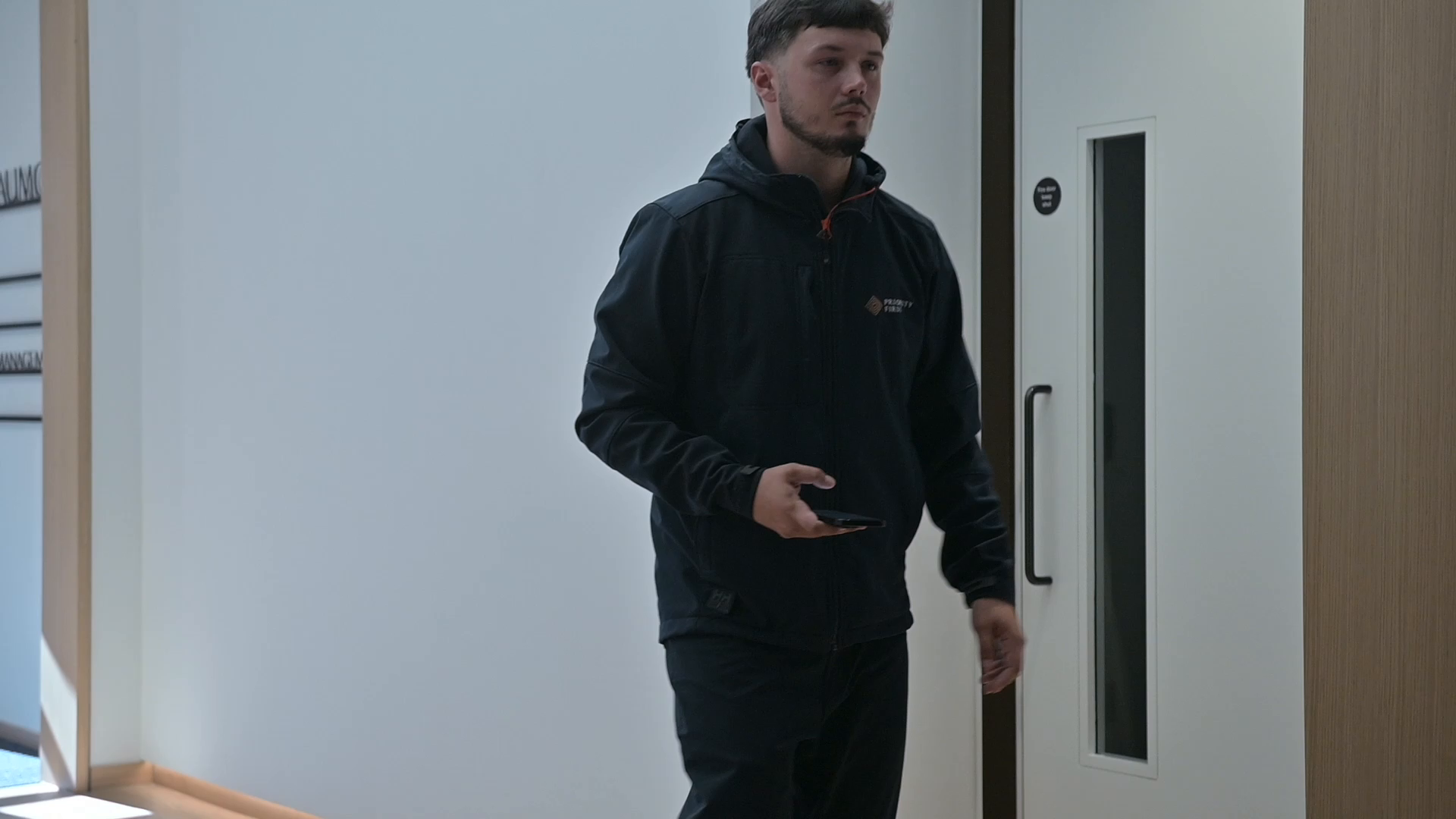
Concierge security is a front-of-house service model in which SIA-licensed officers — individuals holding a licence issued under the Private Security Industry Act 2001 — perform both traditional concierge duties and formal security functions within a single role. This differs from a standard receptionist, who typically has no security licensing, no powers to intervene, and no accountability for access control or incident response.
A concierge security officer in a Mayfair office building, for example, might greet visitors, manage deliveries, control access via key fob systems, and also conduct scheduled patrols, log incidents, and respond to alarm activations. The Security Industry Authority — the Home Office-sponsored body that licenses and regulates the UK's private security industry — classifies this work under the Security Guarding licence category, meaning anyone performing licensable concierge-security duties must hold a valid SIA licence.
The commercial logic is straightforward: a single trained officer replaces two separate contracts, one for reception and one for security, cutting handover gaps and duplicated management overhead.
Why London businesses are adopting this model
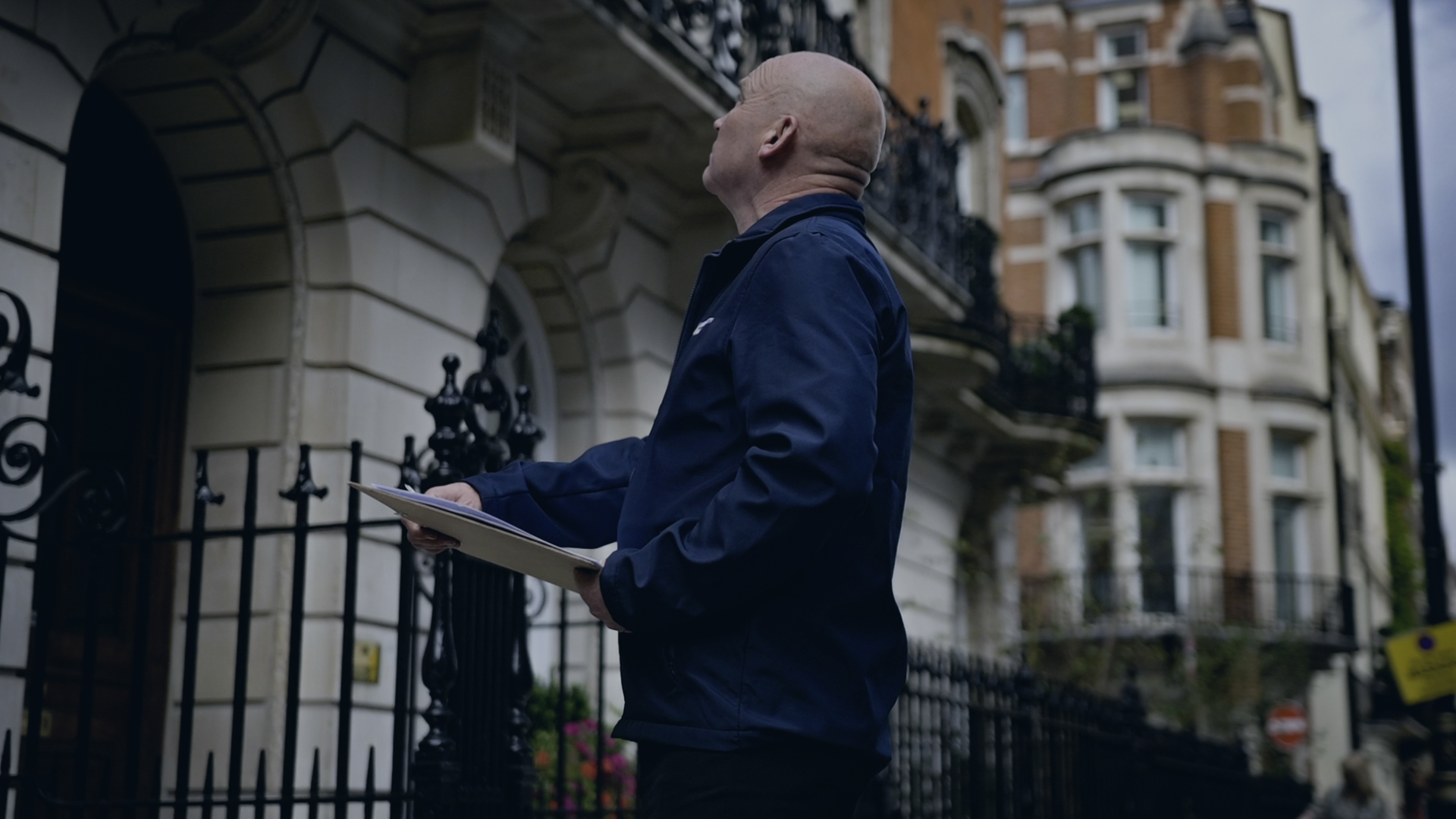
London's density of prime commercial and residential property — concentrated in areas like Chelsea, Knightsbridge, Mayfair and the wider City — creates constant footfall that traditional reception desks were never designed to secure. Research from the Security Institute shows unified concierge-security service models meaningfully reduce operational costs compared with fragmented contractor arrangements, a figure that reflects reduced management time, fewer supplier invoices and better continuity when staff are absent.
Priority First's own portfolio data illustrates the scale at which this now operates: the company's documented client contracts number 37, of which 28 sit in Chelsea and Knightsbridge alone (as of August 2026), showing how concentrated this demand has become in prime central London.
How does concierge security differ from standard manned guarding?
Standard manned guarding typically involves a static or patrolling security officer with no front-of-house or hospitality responsibilities. Concierge security adds a service layer — visitor management, parcel handling, tenant liaison — while retaining the same legal licensing and security accountability.
The distinction matters operationally. A residential block using only manned guarding may have a uniformed officer at the door checking access, but no one formally logging deliveries or managing resident requests. A concierge security model closes that gap by making one licensed team responsible for both functions, reducing blind spots between "security" and "customer service" that often exist when two separate contractors are used.
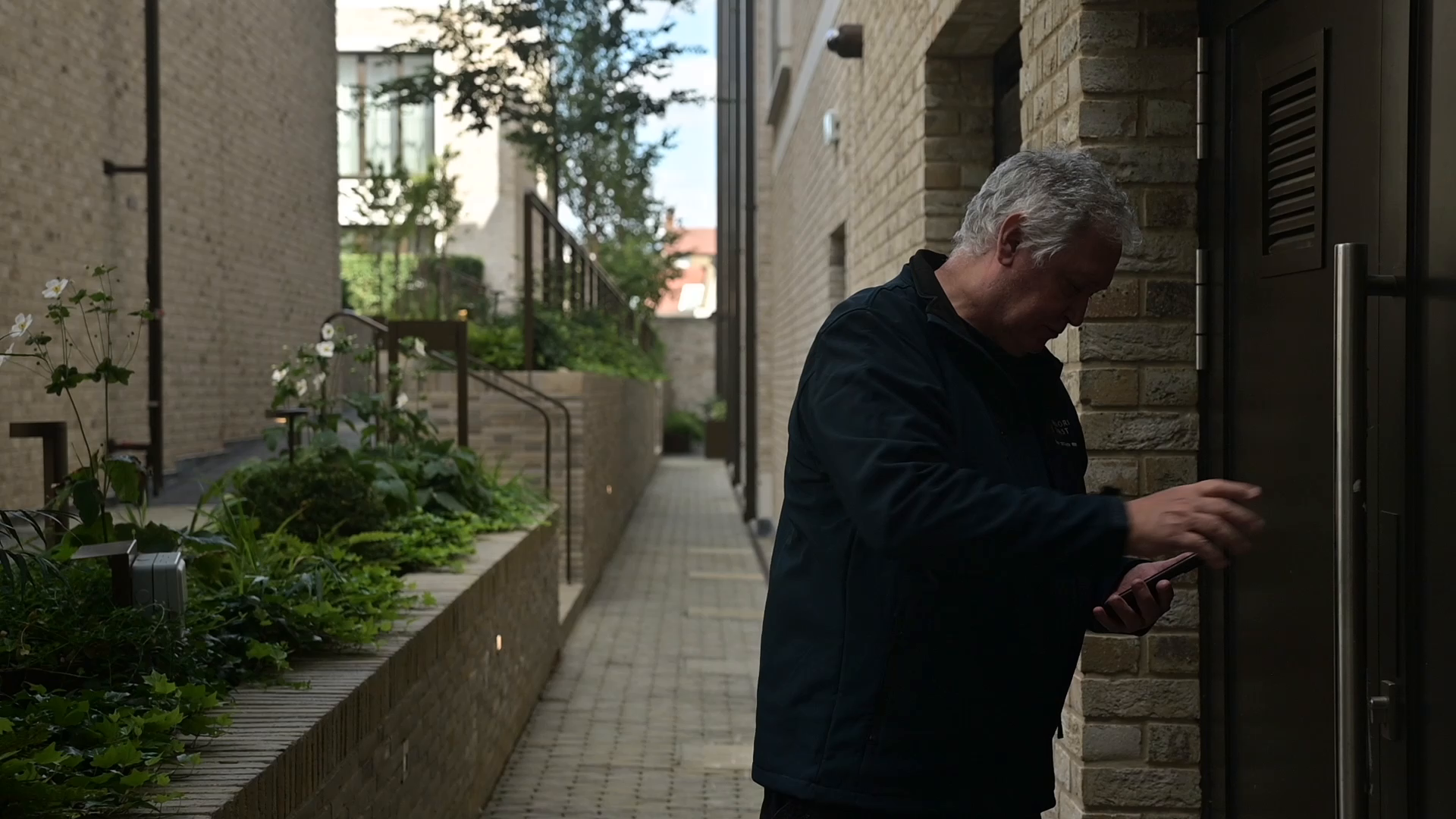
Priority First's work at a high-end retail and residential courtyard in Central London demonstrates this directly. Before Priority First's involvement, concierge work there was effectively invisible: parcels sat in a back room, logged (if at all) on paper, with no way to answer a resident asking "where's my delivery?" Priority First deployed seven officers to cover the site, introducing full parcel logging — every parcel photographed on arrival and signed out on collection — alongside patrols and key management, all within one app. Since going live in February 2026, the site has logged over 135 patrols, and deliveries moved from a paper log to a 100% photographed and signed-out record.
| Feature | Standard Manned Guarding | Concierge Security |
|---|---|---|
| SIA licensing required | Yes (Security Guarding licence) | Yes (Security Guarding licence) |
| Front-of-house/hospitality duties | Rarely included | Core function |
| Parcel and delivery management | Not typically included | Standard feature |
| Visitor and tenant liaison | Limited | Extensive |
| Typical setting | Construction sites, warehouses, retail perimeter | Commercial offices, prime residential, mixed-use developments |
| Contract consolidation | Separate reception contract usually needed | Single contract covers both functions |
Do concierge security officers need an SIA licence in London?
Yes — any individual carrying out licensable concierge-security activities in London must hold a valid SIA licence under the Private Security Industry Act 2001. This applies regardless of whether the role is titled "concierge," "front-of-house officer" or "security guard," because the SIA licenses the activity, not the job title.
Working without a valid SIA licence, or employing someone without one for licensable activities, is a criminal offence that can result in a fine of up to £5,000 or up to six months' imprisonment, according to In2 Security Training's summary of the Private Security Industry Act 2001 (2019). This is a serious compliance risk for any business engaging a contractor that cuts corners on licensing.
The relevant licence categories
The SIA's guidance on applying for a licence sets out several front-line licence categories relevant to concierge work:
- Security Guarding — covers most concierge-security roles, including access control, patrols and key holding
- Door Supervision — required where an officer's duties involve controlling entry to licensed premises
- Close Protection — a separate, higher-tier licence for personal protection work, not typically part of standard concierge roles
Businesses should verify that any provider issues officers with licences matching the actual duties performed on site — a mismatch is a compliance failure that falls on the contracting business as well as the provider.
Why vetting standards matter beyond the licence
An SIA licence confirms an individual has passed background checks and training, but many London landlords and facilities managers also expect BS 7858 vetting — the British Standard for security screening of personnel employed in an environment where trust is essential, covering identity verification, employment history and financial checks. This additional layer matters most where officers hold keys, access codes or handle resident and tenant data.
How much does concierge security cost in London?
Concierge security pricing in London varies by site type, hours of cover, and whether the service is combined with wider facilities management. A typical range for a single 24/7 concierge-security officer post in a prime central London building sits well above a standard daytime reception role, reflecting the licensing, vetting and scheduling required to maintain continuous cover.
Costs are shaped less by headline day-rates and more by how efficiently a provider structures cover, technology and reporting.
Illustrative cost scenarios
The figures below are illustrative ranges based on typical London market structures, not attributed statistics, and should be treated as a starting point for budgeting conversations rather than a quote.
| Scenario | Typical Coverage | Illustrative Monthly Range |
|---|---|---|
| Single officer, daytime only (Mon–Fri) | 8 hours/day, 5 days/week | Lower end of the market — suited to small offices |
| Single officer, extended hours | 12–16 hours/day, 7 days/week | Mid-range — common for mixed-use residential/retail |
| Multi-officer 24/7 concierge-security team | Continuous cover, shift rotation | Higher end — typical for large residential blocks or prime estates |
| Portfolio-wide integrated FM and security | Multiple sites, one contract | Cost per site typically reduces with scale |
Ways to reduce costs
Businesses can manage concierge security spend without compromising cover through several practical routes:
- Consolidate contracts. Combining concierge, keyholding and facilities management under one provider removes duplicated management fees.
- Use technology to cut administrative overhead. Digital patrol logging and parcel tracking reduce the office hours needed to manage paper records and disputes.
- Right-size the coverage model. Not every site needs 24/7 static cover — some are better served by scheduled patrols with alarm response between visits.
- Review portfolio-wide before renewing site-by-site. Priority First's portfolio data shows a client managing 24 sites on one platform, up from 18 previously, illustrating how scaling under a single contract can improve cost control across a growing estate.
Alternatives to consider
Where full concierge security isn't proportionate to the risk, alternatives include periodic manned patrols combined with CCTV monitoring, alarm response contracts triggered only on activation, or a lighter-touch key holding arrangement for buildings with lower footfall. Each trades some visible presence for lower ongoing cost, and the right choice depends on footfall, asset value and insurer requirements.
What is the case for outsourced concierge security versus an in-house team?
Businesses weighing concierge security typically choose between building an in-house reception and security function or outsourcing to a specialist provider. Both routes can work, but they carry different cost, compliance and continuity profiles.
An in-house model gives direct line management but requires the business itself to handle SIA licence verification, BS 7858 vetting, shift cover during sickness and holidays, and ongoing training — a significant administrative burden for a function that isn't the business's core activity. An outsourced specialist provider absorbs that compliance and continuity risk, and can typically flex staffing faster when a site's needs change.
The Security Institute's finding that unified concierge-security models meaningfully reduce operational costs compared with fragmented arrangements applies most clearly to businesses moving from a patchwork of internal reception plus a separate external guarding contract, into one outsourced, integrated service.
When in-house makes sense
In-house concierge security can suit very large single-site employers with dedicated HR and compliance resource already in place, where the cost of building that capability is spread across a large existing headcount.
When outsourcing makes sense
Outsourcing typically wins for multi-site portfolios, prime residential blocks, and businesses without existing security compliance infrastructure — precisely the profile of most London commercial and premium residential clients.
How does provable, technology-backed patrolling change accountability?
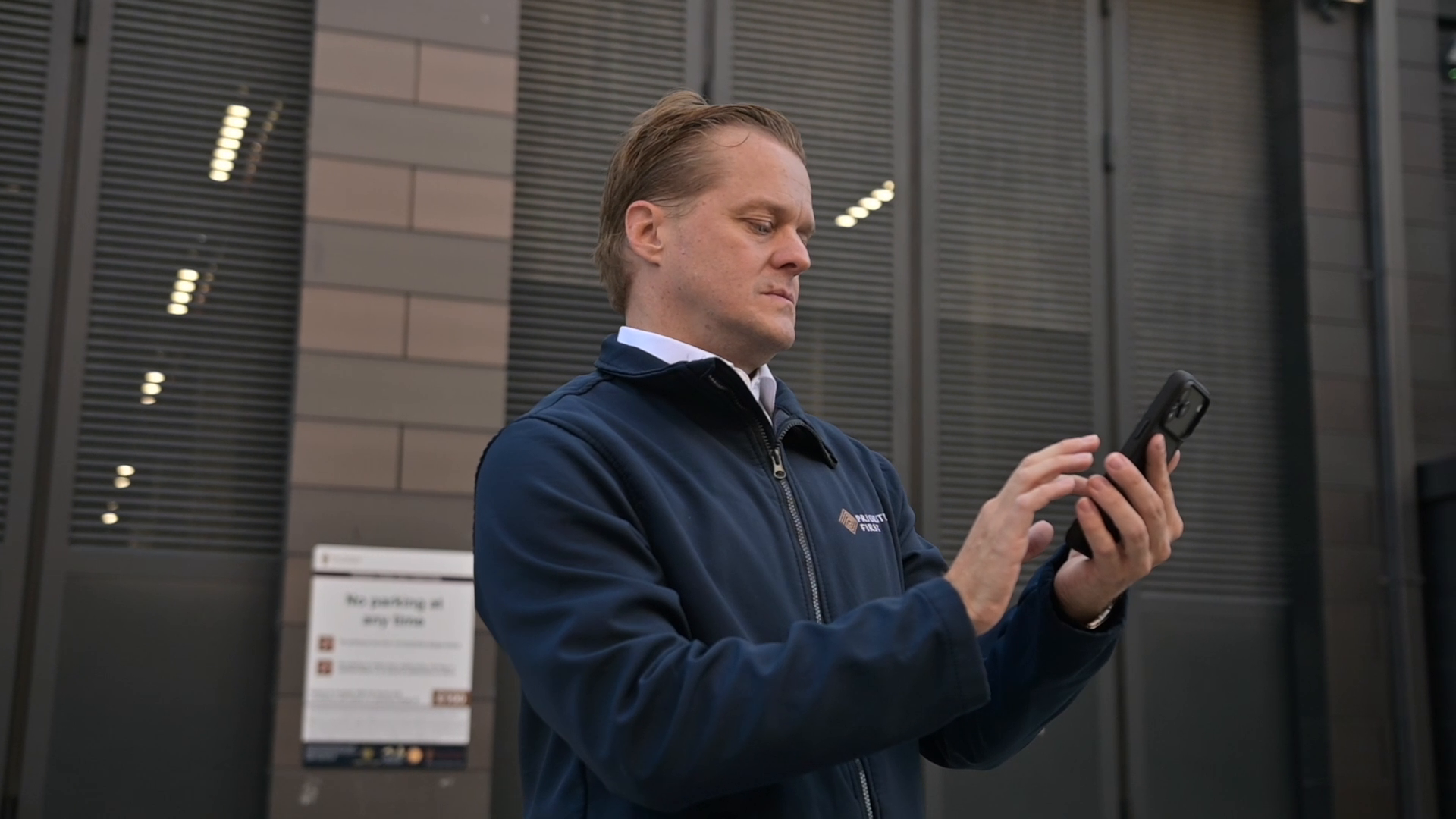
Provable patrolling means every checkpoint completion is verified with a photograph, GPS location and timestamp, rather than relying on a paper occurrence book that can't be independently checked. This distinction matters because an unprovable patrol record offers no defence if an incident occurs and no evidence that cover was actually delivered.
"Technology is superb at watching and terrible at deciding. Sensors and cameras never tire, but they cannot read intent, calm a situation, or take responsibility for a judgement call. We automate the watching so that the people we deploy spend their time on the parts of the job only a person can do."
— Mo Hassan, Managing Director, Priority First
Priority First's evidence standard applies this principle across its portfolio: every checkpoint requires a photo to complete, and missed areas show as gaps in the record rather than passing silently. This was central to a recent deployment at a 96-unit care home in Bedfordshire, where care staff could not double as a security presence and needed door control, night-time incident cover and unfamiliar-visitor management that never lapsed. The trigger for engaging Priority First was the need for a system to ensure every area of the building was patrolled and documented. SIA-licensed officers were brought on site immediately, with checkpoints completed via photograph, GPS and timestamp. The result: over 1,000 photo-backed patrols completed, with the site onboarded within a fortnight.
At portfolio scale, this same standard is applied across a security and facilities management operator running 24 sites across London and the UK, with 11 or more field officers working from one system. That deployment has logged over 4,900 photo-backed patrols, with alarm activations recorded in the field alongside cause, actions and photos, and false-alarm counts tracked per site against the police-response threshold — the point at which repeated false alarms can affect police attendance policy for a location.
Why this matters for insurers and boards
Photo-backed, timestamped patrol records give facilities managers and company boards defensible evidence in the event of an insurance claim or incident review, a material improvement on the paper logs that dominated the industry historically.
What does the wider UK security industry data tell London businesses?
Understanding the broader regulatory and workforce context helps businesses judge whether a provider is operating to industry norms. BSIA members provide the majority of UK security products and services, making the BSIA the dominant trade body shaping stand
The industry has also grown rapidly in recent years. In the twelve months to March 2023, the licensed security officer population aged 18–25 increased by 14%, and licensed female security officers increased by 6% over the same period, according to BSIA data reported via TWinFM (2023). Separately, a BSIA member survey found security businesses increased workforce size by almost a fifth (16%) since July 2022, per the same BSIA data.
Mike Reddington, Chief Executive of the BSIA, described this growth: "The recruitment of new security officers is essential for ensuring public safety – and it's heartening to see security booming amid the economic uncertainty" (British Security Industry Association via TWinFM, 2023).
This growth context matters for London businesses selecting a provider: a rapidly expanding pool of licensed officers makes verified vetting, training standards and management systems more important, not less, when choosing who to trust with building access and resident data.
Your concierge security checklist
- Confirm every officer's SIA licence matches the specific duties they'll perform on your site.
- Ask for BS 7858 vetting evidence covering identity, employment history and financial background checks.
- Request photo-backed, timestamped patrol records rather than relying on paper occurrence books.
- Check whether concierge and security functions are combined under one contract to reduce handover gaps and management overhead.
- Establish a clear parcel and delivery logging process with photographic evidence at arrival and collection.
- Clarify key holding and alarm response arrangements, including named responders and escalation procedures.
- Review provider capacity across your full portfolio, not just individual sites, if you manage multiple London properties.
- Verify onboarding timescales — a competent provider should be able to mobilise a new site within days to a fortnight.
FAQ
What is concierge security and how does it differ from standard manned guarding?
Concierge security combines SIA-licensed front-of-house duties — visitor management, parcel handling, tenant liaison — with formal security functions like access control and patrolling, all under one role. Standard manned guarding, by contrast, typically covers only the security function without hospitality or reception responsibilities, meaning sites often need two separate contracts to achieve the same coverage.
Do concierge security officers need an SIA licence in London?
Yes, anyone performing licensable concierge-security duties in London must hold a valid SIA licence under the Private Security Industry Act 2001. Operating without one is a criminal offence carrying a fine of up to £5,000 or up to six months' imprisonment, according to In2 Security Training (2019).
How much does concierge security cost in London?
Concierge security costs in London vary widely depending on hours of cover, number of officers and whether services are bundled with wider facilities management. Single-officer daytime cover sits at the lower end of the market, while 24/7 multi-officer teams at prime residential or mixed-use sites command higher rates, though portfolio-wide contracts typically reduce the cost per site.
What is the difference between concierge security and a traditional receptionist?
A traditional receptionist typically has no SIA licence, no security training and no formal responsibility for access control or incident response. A concierge security officer holds an SIA licence, is vetted to standards such as BS 7858, and carries legal accountability for security duties alongside reception tasks.
What qualifications and vetting do concierge security guards need?
Concierge security guards need a valid SIA licence — typically under the Security Guarding category — issued following the SIA's application process, which includes criminal record checks and licence-linked training. Many London providers additionally apply BS 7858 vetting, covering identity, employment history and financial checks, given the trust placed in officers holding keys and access credentials.
Is concierge security suitable for residential apartment blocks in London?
Yes, concierge security is well suited to residential apartment blocks, particularly in prime areas like Chelsea, Knightsbridge and Mayfair where resident expectations combine hospitality with robust access control. Priority First's work at a Central London residential and retail courtyard, for example, replaced a paper delivery log with 100% photographed parcel logging and over 135 logged patrols since February 2026.
What is BS 7858 vetting and why does it matter for concierge security staff?
BS 7858 is the British Standard for security screening of personnel in roles requiring a high level of trust, covering identity verification, employment history and financial background checks. It matters for concierge security staff because they routinely hold keys, access codes and personal data belonging to residents, tenants and visitors.
Can concierge security officers handle key holding and access control?
Yes, key holding and access control are standard functions within a concierge security role, provided the officer and provider have appropriate systems for accountability. Best practice includes logging every key movement digitally, rather than relying on a manual sign-out sheet that can't be independently verified.
Securing your building with Priority First's concierge security expertise
Every problem this article has covered — invisible parcel handling, unprovable patrols, licensing gaps between reception and security duties — is the exact gap Priority First's concierge security teams are built to close. Rather than treating front-of-house and security as separate contracts, Priority First deploys SIA-licensed officers who combine both functions, with every patrol, delivery and key movement logged on one platform with photographic, GPS and timestamped evidence.
Priority First currently manages documented client contracts across prime central London, with 28 of its 37 confirmed contracts concentrated in Chelsea and Knightsbridge, alongside further coverage across West London, the West Midlands and Bedfordshire.
If your building, office or residential development needs concierge security that can prove every patrol and account for every parcel, get in touch with Priority First for a site assessment and a tailored quote.
Related Reading
- Concierge Security Services London 2026 | Priority First
- Office Security Guards London 2026 | Priority First Security
- Best Concierge Security Companies London 2026 | Priority First