


5 Steps to Find Security System Installation Near Me for Your Site

Last updated: 15 July 2026
Quick Answer
Finding the right security system installation near you involves five key steps: identifying available system types (CCTV, intruder alarms, access control, fire alarms, integrated systems), assessing your site's specific security needs and vulnerabilities, researching local installers with verified credentials, comparing quotes on services and pricing, and making an informed decision based on contract terms and provider reputation. This structured approach ensures you select a solution that meets both your security objectives and budget.
Key Takeaways
- Five-step process: Identify system types, assess site needs, research local providers, compare quotes, and make an informed decision to ensure comprehensive security coverage.
- Risk assessment is foundational: Listing assets, evaluating threats, and engaging stakeholders ensures your chosen system addresses real vulnerabilities and complies with regulations.
- Credential verification matters: Check for accreditations from recognised bodies like NSI or SSAIB, and review customer feedback on platforms such as Trustpilot before shortlisting installers.
- Quote comparison goes beyond price: Evaluate included services, warranties, ongoing support, and provider reputation to avoid low-quality installations that compromise security.
- Integrated solutions enhance protection: Combining CCTV, access control, and alarm systems under one provider streamlines management and improves overall site safety.
Overview
This article outlines a comprehensive five-step process to identify local security system installation services tailored to specific site needs.
- Assessing security requirements is crucial; it ensures that businesses understand their vulnerabilities in an ever-evolving landscape.
- Researching local providers is equally important, as it allows for informed comparisons of services and costs.
- Comparing quotes is not merely a financial exercise; it directly impacts the effectiveness of the protection measures implemented.
- Making informed decisions is essential to safeguard assets and maintain operational integrity, supported by detailed evaluations and stakeholder engagement throughout the process.
- Ignoring these steps can lead to significant financial, operational, and reputational risks, highlighting the necessity of a structured approach to security.
Introduction
Selecting the appropriate security system installation service is akin to navigating a complex maze, particularly given the multitude of options currently available. Understanding the various types of security systems is merely the starting point; the true challenge lies in assessing specific site needs and identifying local professionals capable of delivering tailored solutions.
What is the real cost of leaving a site unguarded? It is essential to ensure that the chosen installation service not only meets security objectives but also aligns with budgetary constraints and operational requirements.
This guide will illuminate the essential steps to effectively locate and select the best security system installation services nearby, ensuring peace of mind and enhanced safety for any site.
What Types of Security Systems Are Available?
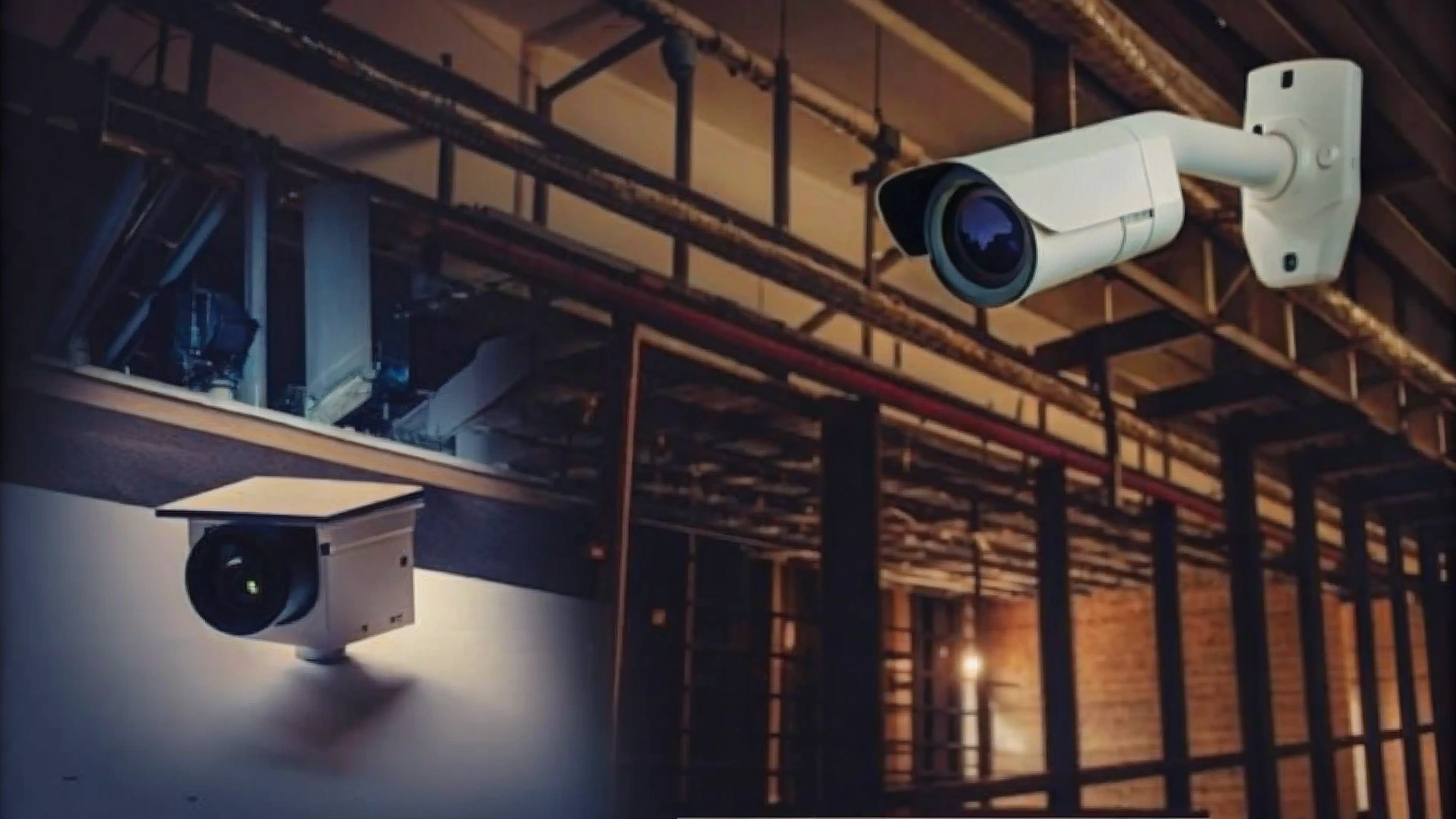
Familiarising yourself with the various types of security systems available is essential for effective risk management. CCTV systems provide video surveillance that can be monitored remotely, ensuring continuous oversight of your property and serving as both a deterrent and a tool for real-time threat detection—vital for preventing theft and vandalism. Intruder alarms alert you to unauthorised entry and can be managed by a monitoring company, ensuring swift action when needed. Access control systems restrict entry to authorised personnel only, often utilising key cards or biometric scanners to enhance security. Fire alarms are crucial for safety, detecting smoke or fire and notifying occupants and emergency responders immediately. Integrated systems merge various protective measures into a unified platform, enhancing overall safety by allowing CCTV, access control, and alarm systems to work together seamlessly.
Understanding these options allows you to identify which systems for security system installation near you align most effectively with your security objectives.
How Do You Assess Your Specific Security Needs?
To assess your specific security needs, follow these steps. Identify assets: Begin by listing all valuable assets that require protection, including equipment, materials, and personnel—this foundational step establishes what needs safeguarding. Evaluate risks: Consider potential threats such as theft, vandalism, or unauthorised access, and analyse past incidents if available; understanding these risks is vital for informed decision-making. Consider site layout: Assess the physical layout of your site, including entry points, blind spots, and areas that may require additional surveillance—a comprehensive building audit can help identify these critical areas, ensuring no vulnerabilities are overlooked. Determine compliance needs: Ensure that your protective measures adhere to local regulations and industry standards, particularly in construction environments, to safeguard your operations against legal repercussions. Engage stakeholders: Consult with team members and stakeholders to gather insights on safety concerns and expectations; this collaborative approach is crucial for customising protective solutions that integrate seamlessly with your operations and foster a culture of safety.
This thorough evaluation will provide a clear understanding of the protective measures necessary for your site, including security system installation near you, as well as integrated solutions like manned guarding and CCTV monitoring, ensuring enhanced safety and operational efficiency.
How Can You Research Local Security System Installation Services?
To identify local security system installation services, consider the following steps. Online search: Begin by utilising search engines to locate professionals specialising in security system installation near you—platforms such as MyBuilder, Checkatrade, and Bark can provide comprehensive lists of qualified installers. Check reviews: Assess customer reviews and ratings on sites like Trustpilot or Google Reviews to evaluate the reputation of potential installers. Verify credentials: Ensure that the installers hold accreditations from recognised organisations, such as the National Security Inspectorate (NSI) or the Security Systems and Alarms Inspection Board (SSAIB). Ask for recommendations: Reach out to colleagues or industry contacts for their recommendations based on personal experiences. Compile a list: Create a shortlist of potential installers to contact for quotes and further discussions.
Moreover, consider initiating a complimentary safety evaluation related to security system installation near you. This evaluation can reveal tailored protection solutions designed to enhance the safety of your site and assist you in identifying skilled professionals who can effectively meet your installation needs.
How Should You Compare Quotes and Services from Different Providers?
Once you have gathered quotes from various providers, follow these steps to compare them effectively. Examine provided offerings: Confirm that the services listed in the estimate align with your specific protection requirements identified earlier—consider contacting a provider to initiate a complimentary risk evaluation, which can assist in defining your needs and offer guidance on CCTV setup, security system installation, and monitoring options. Evaluate pricing: Compare the costs of installation and any ongoing monitoring fees, and be cautious of quotes that appear significantly lower than the rest, as they may indicate inferior quality. Check warranty and support: Look for warranties on equipment and installation, as well as the availability of customer support—a dependable supplier ensures robust assistance for their protective offerings, including maintenance and troubleshooting. Assess experience and reputation: Consider the installers' experience level and their reputation within the industry; a well-reviewed company may justify a slightly higher price. Make a decision: Based on your comparisons, select the provider that offers the best combination of services, price, and reputation to ensure you receive comprehensive coverage tailored to your specific requirements.
This thorough comparison will help you choose a provider that meets your needs and budget.
How Do You Make an Informed Decision on Your Installation Service?
To finalise your decision on the installation service, consider the following. Revisit your needs: Reflect on your initial assessment of security needs to ensure that the chosen provider can meet them effectively. Verify information: Prior to signing any agreements, it is essential to verify all specifics concerning installation schedules, expenses, and services included. Inquire: Don't hesitate to ask the provider any lingering questions about their offerings, equipment, or installation process—clarity is crucial. Review contract terms: Carefully read through the contract to understand your obligations and the provider's responsibilities, as this will prevent future misunderstandings. Schedule installation: Once satisfied with the provider's answers and the contract terms, schedule the installation at a time that minimises disruption to your operations.
By following these steps, you can confidently select a security system installation near you that meets your needs and enhances the safety of your site, ultimately contributing to your business resilience.
Conclusion
Finding the right security system installation for your site is a crucial step in safeguarding your assets and ensuring the safety of your operations. Understanding the various types of security systems available and assessing your specific needs can lead to informed decisions that align with your security objectives.
Throughout this article, essential steps were outlined, including:
- Identifying the types of security systems
- Assessing unique security requirements
- Researching local installation services
- Comparing quotes
- Ultimately making an informed choice
Each of these steps plays a vital role in enhancing your security while ensuring compliance and fostering a culture of safety within your organisation.
The lesson is clear: prioritising a systematic approach to security system installation is imperative. Engaging with qualified professionals and conducting thorough evaluations will lead to tailored solutions that meet your specific needs. As security technologies continue to evolve, staying informed and proactive empowers you to create a safe and secure environment for your business. Take the necessary steps today to protect what matters most.
Integrated Security and Facilities Management for Complete Site Protection
Selecting the right security system installation is only one piece of a comprehensive site protection strategy. For businesses managing commercial or residential properties in London and across the UK, integrating security with broader facilities management ensures every aspect of your site—from access control and CCTV monitoring to building maintenance and compliance—works together under one accountable partner.
Priority First combines security system installation and monitoring with full facilities management services, delivering a unified approach that reduces complexity and enhances operational efficiency. Our Mayfair-based team deploys SIA-licensed officers, real-time CCTV monitoring, and tailored building management solutions to safeguard your assets and maintain compliance with industry standards.
If you're ready to explore how integrated security and facilities management can protect your site, get in touch with Priority First for a no-obligation consultation and quote.
Frequently Asked Questions
What types of security systems are available for risk management?
The main types of security systems include CCTV systems (video surveillance monitored remotely), intruder alarms (unauthorised entry alerts), access control systems (restricted access via key cards or biometric scanners), fire alarms (smoke and fire detection), and integrated systems (combining multiple security measures into a unified platform). Each system serves different purposes, and understanding these options helps you select the right solution for your site.
How do CCTV systems enhance security?
CCTV systems provide video surveillance that can be monitored remotely, allowing for continuous oversight of a property. They serve as a deterrent to crime and enable real-time threat detection, which is crucial for preventing theft and vandalism.
What is the function of intruder alarms?
Intruder alarms alert you to unauthorised entry into a property. They can be managed by a monitoring company to ensure swift action is taken when an alarm is triggered.
What are access control systems, and how do they work?
Access control systems restrict entry to authorised personnel only, often using key cards or biometric scanners to enhance security. They provide a record of who enters and exits a site, improving accountability and reducing the risk of unauthorised access.
Why are fire alarms important?
Fire alarms are crucial for safety as they detect smoke or fire and notify occupants and emergency responders immediately, helping to prevent loss of life and property damage.
What are integrated systems in security?
Integrated systems merge various protective measures—such as CCTV, access control, and alarms—into a unified platform, enhancing overall safety. Integrated solutions streamline management and improve coordination between different security components.
How can I assess my specific security needs?
To assess your security needs, identify valuable assets, evaluate potential risks (such as theft or vandalism), consider the site layout (entry points, blind spots), determine compliance needs with local regulations, and engage stakeholders for insights on safety concerns. This thorough evaluation ensures your chosen system addresses real vulnerabilities.
Why is it important to evaluate risks?
Evaluating risks helps you understand potential threats such as theft or vandalism, allowing for informed decision-making regarding the necessary protective measures. Analysing past incidents and current vulnerabilities ensures your security investment is targeted and effective.
What should be considered in the site layout assessment?
The physical layout assessment should include entry points, blind spots, and areas requiring additional surveillance. A comprehensive audit can help identify vulnerabilities and ensure no critical areas are overlooked.
How can I ensure compliance with regulations?
Ensure that protective measures adhere to local regulations and industry standards, particularly in construction and commercial environments. Consulting with facilities management or security professionals can help maintain compliance and effectiveness.
Why is stakeholder engagement important in security assessments?
Engaging stakeholders allows you to gather insights on safety concerns and expectations, which is crucial for customising protective solutions that align with operations and foster a culture of safety. Collaboration ensures the chosen system meets the practical needs of everyone on site.


