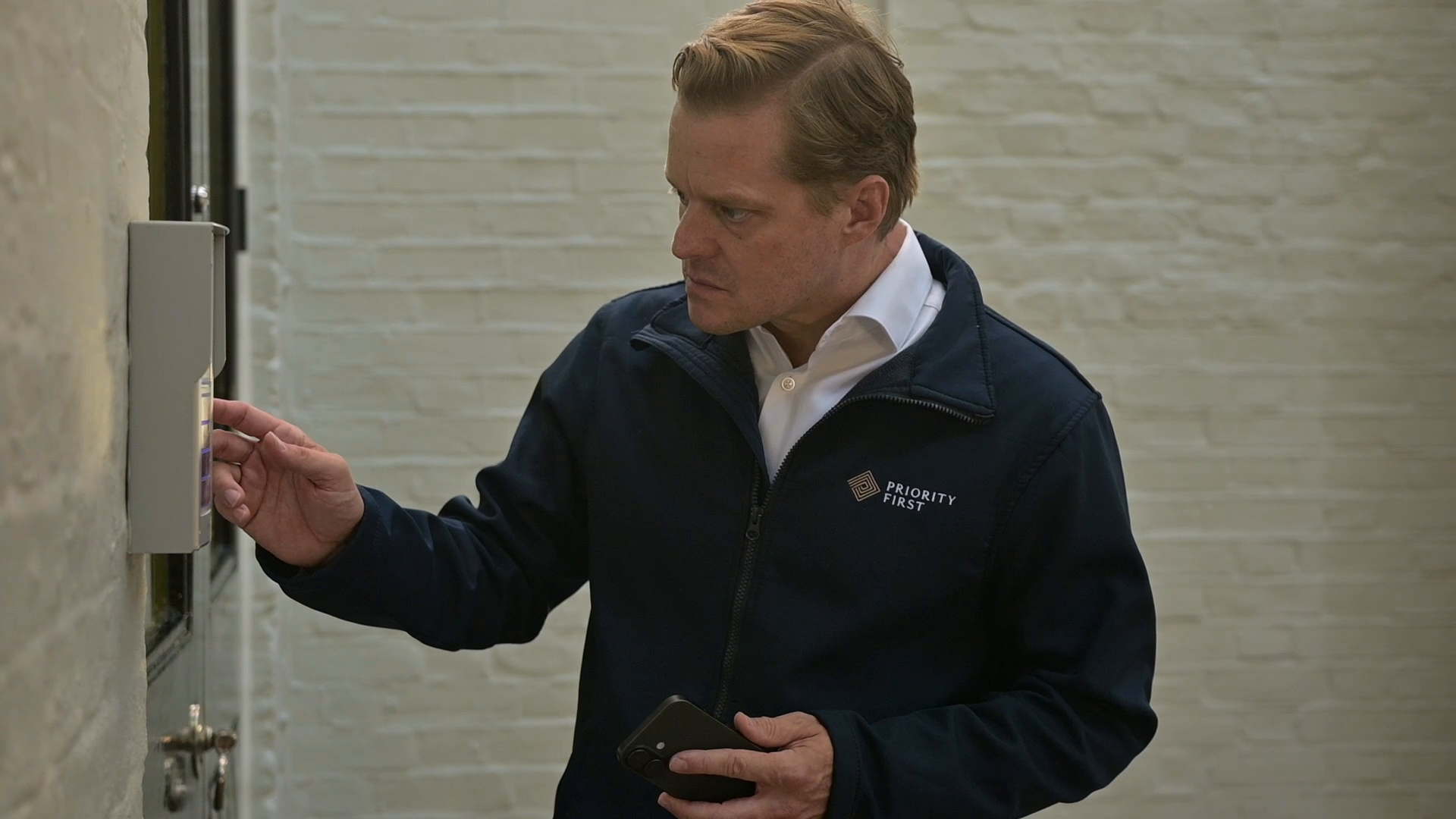
10 Essential Qualities of Effective Security Staff for Construction Sites


Last updated: 3 August 2026
Introduction
The effectiveness of security personnel is crucial to the safety of construction sites. These professionals play a vital role that goes beyond mere surveillance; they embody qualities essential for protecting assets and fostering a culture of safety and trust among workers and management. As the construction industry evolves, the demand for security staff who can adapt to dynamic environments, communicate effectively, and uphold a high level of professionalism becomes increasingly critical.
Ignoring the importance of security can lead to significant financial, operational, and reputational risks. For instance, construction theft costs UK businesses over £1 million a week. This reality underscores the necessity of investing in competent security personnel who can mitigate such risks and ensure a safe working environment.
Priority First stands out as a pragmatic solution in this context. With a proven track record of securing over £1.6 billion in assets and demonstrating rapid response times, they offer a client-focused approach that prioritises long-term value over quick wins. By investing in security now, businesses can prevent greater losses later, reinforcing the idea that security is not merely an expense but a fundamental aspect of business continuity.
Professionalism in Security Staff
Professionalism must be consistently demonstrated by security staff, which includes being well-groomed, punctual, and knowledgeable about their responsibilities. This commitment fosters trust between workers and management, ensuring that safety protocols are diligently followed. A polished appearance and confident demeanour not only deter potential threats but also instil confidence in stakeholders, affirming that their assets are safeguarded by capable professionals.
In the context of building environments, effective security staff exemplify this professionalism through proactive engagement with teams, clear communication, and adherence to safety standards. The reality is that security is a critical yet often underestimated business function. Priority First demonstrates this through its customised protection solutions, including key holding, CCTV monitoring, and alarm response services, essential for managing risks in multi-use complexes and building sites.
As highlighted in the case study of a multi-use complex in Chelsea, London, Priority First's extensive approach to safety and logistics management guarantees that operations proceed efficiently and securely, tackling the distinct challenges of bustling construction settings. That said, the implications of neglecting security can be severe, leading to financial losses, operational disruptions, and reputational damage.
Furthermore, as Captain Scott Kelly states, "Safety has to be everyone’s responsibility… everyone needs to know that they are empowered to speak up if there’s an issue." This professionalism is not merely a formality; it significantly enhances the overall effectiveness of protective measures, contributing to a safer and more productive work environment. The lesson is clear: as we advance through 2026, the significance of professionalism in security staff remains crucial, reinforcing the idea that a well-prepared and professional team, like that of Priority First, is vital for reducing risks and ensuring project continuity.
Adaptability to Changing Situations
Adaptability is essential for effective personnel in construction environments, enabling them to modify strategies based on real-time evaluations. This flexibility is vital for managing unexpected visitors, responding to emergencies, and tackling the unique challenges that arise in dynamic construction settings. For instance, safety teams may need to swiftly adjust protocols during sudden weather changes or unplanned site visits by stakeholders, ensuring that safety remains uncompromised.
At Priority First, our commitment to adaptability is grounded in our core values of loyalty, discretion, and professionalism. Training programmes focused on situational adaptability are crucial for enhancing the effectiveness of our security staff. Ongoing training initiatives prepare guards to handle various scenarios, from emergency evacuations to conflict resolution. This training equips staff with the skills to react promptly and fosters a proactive safety culture that mitigates risks before they escalate.
Real-world examples illustrate the impact of adaptability on operational processes. Recently, during a building project, Priority First personnel effectively managed a power outage by implementing contingency plans that ensured continuous monitoring and safety for workers on-site. This swift action upheld safety and bolstered project managers' confidence in their security staff, highlighting the necessity for them to be prepared for diverse situations.
Ultimately, the ability to adjust to evolving circumstances significantly enhances the overall efficiency of protective operations, ensuring that work locations remain safe and secure while allowing projects to progress smoothly. Collaboration with other departments further reinforces this adaptability, ensuring a coordinated response to any challenges that may arise. Furthermore, Priority First offers comprehensive safety solutions and facilities management services tailored to meet the specific needs of each building project, thereby enhancing operational efficiency and safety.
Loyalty and Trustworthiness
Loyalty and trustworthiness are essential qualities for security staff who are tasked with protecting construction sites. These qualities ensure that security staff not only maintain confidentiality regarding sensitive information but are also reliable. This commitment fosters an environment of open communication and collaboration among team members, which is vital for effective operations.
The reality is that having security staff significantly reduces incidents of theft and vandalism, helping projects stay on schedule and within budget. Ignoring the importance of loyalty can lead to a fragmented team that struggles to respond swiftly to challenges. Expert insights indicate that when personnel, including security staff, demonstrate loyalty to their employer and the mission of safeguarding the site, it enhances overall trust within the team. This trust translates into improved operational efficiency and a safer working environment due to the presence of security staff.
Moreover, this trust strengthens relationships among staff, particularly security staff, and instils confidence in contractors and developers, ultimately contributing to the success of building projects. Strikingly, 62% of UK consumers believe that transparency is a key attribute for establishing brand trust, underscoring the critical role of trust in the operations of security staff.
At Priority First, we are committed to fostering enduring trust and providing steadfast support in every client relationship. Our protective solutions are tailored to meet the unique requirements of each project, ensuring that security is not merely an expense but a vital component of business continuity.
Discretion in Handling Sensitive Information
When handling confidential information such as access codes or incident reports, security staff must exercise discretion. The reality is that understanding what information can be shared and with whom is crucial for protecting sensitive details. Discretion not only safeguards the location but also fosters trust with clients and stakeholders, reflecting Priority First's commitment to loyalty and professionalism.
That said, the implications of failing to maintain confidentiality can be significant. Ignoring this risk can lead to operational inefficiencies and damage to client relationships, ultimately affecting the bottom line. In practise, prioritising confidentiality is essential for maintaining a secure environment, which involves the diligent work of security staff to ensure that every detail is managed with the utmost care and integrity.
The lesson is clear: by customising our protective measures to meet the unique requirements of each construction site, our personnel enhance operational efficiency. This approach guarantees that sensitive information is handled appropriately, reinforcing Priority First's role as a trusted partner in business resilience.
Effective Communication Skills
Security personnel must possess excellent communication skills, both verbal and written, to relay information and instructions effectively. This is not merely a preference; it is a necessity for ensuring safety protocols are expressed clearly and for maintaining professional interactions with site workers. Active listening plays a crucial role here, as it enables personnel to comprehend concerns and respond appropriately.
The reality is that effective communication can significantly impact operational efficiency and safety on construction sites. When security staff communicate with attention to detail and integrity, they foster an environment of trust and clarity. This is particularly vital in high-stakes situations where misunderstandings can lead to serious consequences.
At Priority First, our professionalism ensures that our security staff adjust their communication style to meet the unique needs of each site while maintaining discretion. This client-centric approach not only enhances operational effectiveness but also positions us as a trusted partner in the industry. By prioritising clear communication, we help mitigate risks and reinforce the resilience of our clients' operations.
In practise, investing in skilled security staff who excel in communication is not an expense; it is a strategic move towards safeguarding assets and ensuring business continuity. The lesson is clear: early investment in effective security communication prevents greater losses later.
Vigilance and Situational Awareness
The security staff must maintain a high level of vigilance, continuously scanning their surroundings for any signs of trouble. This vigilance encompasses recognising unusual behaviour, unauthorised access, and potential safety hazards. Training in situational awareness is crucial, providing personnel with the skills to identify and respond to threats swiftly. Effective training programmes in 2026 focus on enhancing observational skills and decision-making processes, enabling personnel to act decisively in critical situations.
The reality is that increased situational awareness significantly impacts incident prevention. Studies indicate that response teams trained in these skills can decrease breaches by up to 30%. This is not just a statistic; it reflects the potential for substantial financial savings and operational stability. Specialists highlight that situational awareness involves not only observation but also comprehension of the context of actions and surroundings, which can lead to proactive measures that protect building areas.
By promoting a culture of awareness, organisations empower their security staff to safeguard assets and ensure the safety of all staff on-site. Priority First's customised protective solutions, featuring extensive training programmes and risk evaluations, further enhance staff efficiency, guaranteeing that building areas remain safe and well-managed. For instance, at the multi-use complex in Chelsea, Priority First implemented key holding, CCTV monitoring, and alarm response services, demonstrating their commitment to maintaining a secure environment amidst the challenges of mixed residential and commercial tenants.
The lesson is clear: early investment in security measures not only prevents greater losses later but also fosters a resilient business environment.
Physical Fitness and Readiness
Maintaining a high level of physical fitness is essential for security staff, especially in the demanding environment of construction sites. Regular exercise enhances strength, endurance, and agility, equipping personnel to respond swiftly to emergencies. For instance, those who engage in interval training can replicate the sudden starts and stops required during critical incidents, thereby improving their preparedness for unforeseen circumstances.
The impact of physical fitness on personnel performance is significant. Physically fit individuals demonstrate improved stamina, allowing them to remain alert and vigilant throughout long shifts. This heightened awareness is crucial for identifying potential threats early, which can prevent incidents from escalating. Furthermore, guards with strong cardiovascular health are better equipped to handle the physical demands of their roles, reducing the risk of injuries such as dislocations and strains that may occur during confrontations or rapid responses.
Numerous instances illustrate how physically fit personnel effectively manage incidents at construction sites. For example, guards who incorporate dynamic stretching into their routines maintain flexibility, enabling them to move quickly and efficiently when necessary. This adaptability not only enhances their capacity to react to emergencies but also contributes to overall safety.
In 2026, the importance of fitness for personnel on construction sites cannot be overstated. As projects grow more intricate and extensive, the physical demands on the security staff increase correspondingly. Regular physical training builds the necessary strength, agility, and endurance, ensuring that guards are prepared for any situation that may arise. Security guards must complete 40 hours of comprehensive training to become licensed, underscoring the professional requirements of the role.
Expert insights reveal that physical readiness encompasses not just muscle strength but also mental and emotional fitness. Security staff who engage in regular physical activity benefit from reduced stress levels and improved mood, which are essential for maintaining focus and control in high-pressure situations. As Quinn Smith notes, "Being able to react and move quickly at a moment’s notice is critical." Ultimately, a commitment to physical fitness equips personnel with the tools they need to perform their duties effectively, ensuring a safer environment for everyone involved.
Training and Expertise in Security Protocols
Regular training for security staff is crucial to ensure proficiency in current protocols and best practices. This training encompasses essential areas such as:
- Emergency procedures
- Conflict resolution techniques
- The effective use of safety technology
By committing to ongoing education, personnel not only enhance their competence but also build confidence in their roles. This confidence is vital for maintaining a safe environment on construction sites, such as the luxury hotel project on Sloane Street, where Priority First provided comprehensive protection solutions.
The reality is that organisations emphasising awareness training experience a notable decrease in incidents. Companies engaging in regular training report up to a 70% decrease in incidents involving security staff. This statistic underscores the direct relationship between training and adherence to protocols; well-trained security staff are more likely to follow established guidelines and effectively respond to potential threats.
Moreover, ongoing training significantly enhances the effectiveness of the security staff. Targeted training programmes focusing on high-risk situations can lead to substantial improvements in personnel's ability to handle incidents efficiently. Experts agree that integrating safety training into employees' daily workflows not only sharpens their skills but also fosters a culture of awareness throughout the organisation. This proactive approach is essential in the building sector, where the unique challenges of location protection demand a well-prepared and adaptable security staff.
In practice, managers at construction sites should integrate regular training sessions into their operational schedules, utilising both in-person and digital resources to ensure accessibility and engagement. By doing so, they cultivate a workforce that is safety-aware and prepared to navigate the complexities of modern building area protection. Furthermore, Priority First's tailored protection solutions and logistics management offerings, as demonstrated at the upscale hotel location, can enhance safety and operational effectiveness, ensuring that staff are not only well-trained but also supported by comprehensive strategies addressing the specific hazards associated with construction environments.
Teamwork and Collaboration
Cooperation among personnel is essential for effective oversight of construction areas. This teamwork involves sharing critical information, coordinating responses, and providing mutual support during incidents. The reality is that effective collaboration not only enhances immediate reactions to threats but also strengthens the overall defence posture of the site. In 2026, organisations that engage in cooperative protective methods report a significantly improved ability to manage incidents. For instance, 89% of protection teams conducting regular collaborative exercises, such as purple teaming, deem these practises vital for their operations. This proactive approach fosters a culture of communication and trust, enabling personnel to identify vulnerabilities more effectively and respond to threats with agility.
In practise, construction sites with well-coordinated security staff experience fewer incidents of theft and vandalism. This ultimately safeguards valuable assets and ensures project timelines remain intact. The lesson is clear: by prioritising collaboration, managers at construction sites can create a more secure environment that involves security staff to protect physical assets and enhance the safety and productivity of everyone involved. Early investment in teamwork and security measures can prevent greater losses down the line, reinforcing the importance of viewing security as a critical business function.
Integration of Technology in Security Operations
Security staff must be proficient in using technology, including surveillance cameras, access control systems, and communication tools. The reality is that effective security is a critical yet often underestimated function in the construction industry. At Priority First, we recognise the importance of integrating extensive CCTV monitoring services, enabling real-time observation of building locations. This integration not only enhances safety but also significantly improves the ability to respond to incidents swiftly and effectively.
Ignoring the need for robust security measures can lead to severe consequences, including financial losses, operational disruptions, and reputational damage. For instance, construction theft costs UK businesses over £1 million a week. Our team is trained in the latest protective technologies, ensuring they can leverage these tools for optimal site safety. The lesson is clear: investing in security is not merely an expense; it is essential for business continuity.
By incorporating tailored security solutions and facilities management integration, we help maintain a modern and effective security staff that meets the unique needs of construction environments. In practise, our approach ensures that clients can focus on their core operations, knowing that their assets are protected. With over £1.6 billion in assets secured and rapid response times, Priority First stands as a trusted partner in safeguarding your business.
Conclusion
Effective security staff are crucial in safeguarding construction sites, embodying qualities that ensure both safety and operational efficiency. The reality is that professionalism, adaptability, loyalty, discretion, communication skills, vigilance, physical fitness, training, teamwork, and technological integration are not just desirable traits; they are essential for creating a secure environment where projects can thrive without disruption.
- Professionalism fosters trust and enhances safety protocols, while adaptability allows security personnel to respond effectively to dynamic situations.
- Loyalty and trustworthiness build strong relationships among team members, ensuring a cohesive approach to security.
- Discretion in handling sensitive information protects client interests, and effective communication facilitates clarity and responsiveness.
- Furthermore, vigilance and physical fitness prepare staff for the demanding nature of construction environments, while ongoing training and teamwork bolster operational capabilities.
- Integrating technology into security operations enhances overall effectiveness, ensuring that security measures are both proactive and responsive.
Ignoring these insights can lead to significant consequences for construction management. The costs associated with theft and disruption can be staggering, impacting financial stability and project timelines. By prioritising the essential traits of security personnel, organisations can mitigate risks, protect valuable assets, and maintain project schedules. The lesson is clear: investing in a skilled and adaptable security team is not merely a compliance issue; it is a strategic imperative that leads to a safer and more productive work environment.
In practise, the commitment to fostering a capable security team reinforces the critical nature of security as a foundational element of successful construction operations. By aligning security with broader business resilience, organisations can ensure that they are not just reacting to threats but proactively safeguarding their interests. Ultimately, early investment in security personnel prevents greater losses later, solidifying the role of security as a vital component of construction management.
Frequently Asked Questions
What is the importance of professionalism in security staff?
Professionalism in security staff is crucial as it fosters trust between workers and management, ensures safety protocols are followed, and instils confidence in stakeholders regarding the protection of their assets.
How does professionalism manifest in security staff?
Professionalism is demonstrated through being well-groomed, punctual, knowledgeable about responsibilities, proactive engagement, clear communication, and adherence to safety standards.
What services does Priority First offer to enhance security?
Priority First provides customised protection solutions including key holding, CCTV monitoring, and alarm response services, which are essential for managing risks in multi-use complexes and building sites.
What are the consequences of neglecting security in construction environments?
Neglecting security can lead to severe consequences such as financial losses, operational disruptions, and reputational damage.
How does adaptability benefit security personnel in construction settings?
Adaptability allows security personnel to modify strategies based on real-time evaluations, manage unexpected visitors, respond to emergencies, and tackle unique challenges that arise in dynamic construction environments.
What training does Priority First provide to enhance adaptability among security staff?
Priority First focuses on ongoing training programmes that prepare guards to handle various scenarios, from emergency evacuations to conflict resolution, fostering a proactive safety culture.
Can you give an example of adaptability in action by Priority First personnel?
Recently, during a building project, Priority First personnel effectively managed a power outage by implementing contingency plans that ensured continuous monitoring and safety for workers on-site.
Why are loyalty and trustworthiness important qualities for security staff?
Loyalty and trustworthiness are essential as they ensure confidentiality, reliability, and foster an environment of open communication and collaboration, which is vital for effective operations.
How does loyalty among security staff impact operational efficiency?
When security staff demonstrate loyalty, it enhances trust within the team, leading to improved operational efficiency and a safer working environment.
What is Priority First's approach to trust in client relationships?
Priority First is committed to fostering enduring trust and providing steadfast support in every client relationship, ensuring that security is a vital component of business continuity.