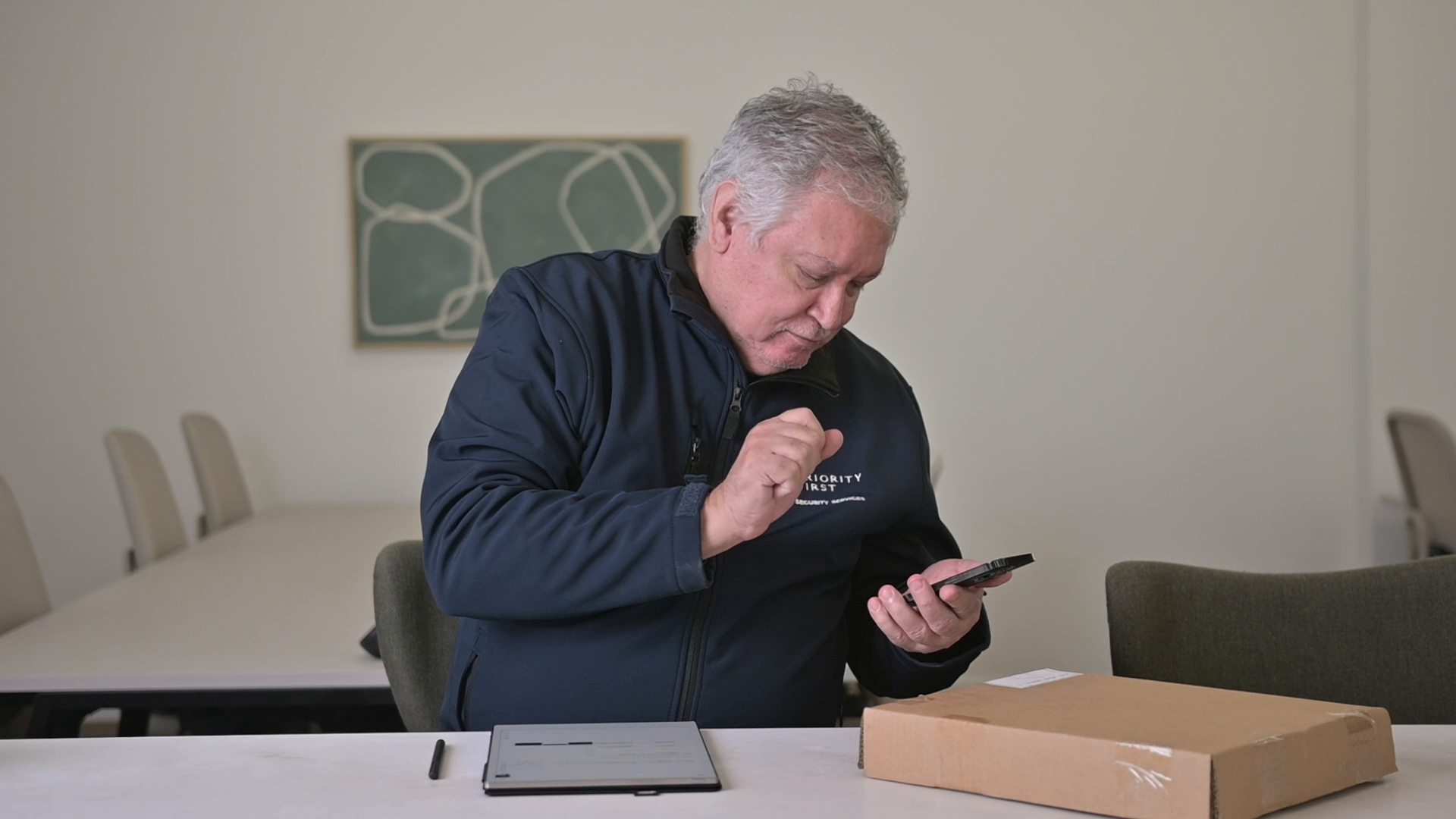
10 Essential Features of Commercial Door Access Control Systems


Last updated: 15 July 2026
Introduction
Commercial door access control systems are essential for protecting business assets and ensuring operational efficiency in 2026. These systems combine advanced technology—biometric authentication, mobile credentials, cloud-based management, and video surveillance integration—with customizable permissions and regulatory compliance features to create a robust security framework. With construction theft alone costing UK businesses over £1 million per week, investing in tailored access control solutions prevents unauthorized entry, reduces incidents, and fosters a culture of safety across corporate offices, construction sites, and premium residential properties.
Key Takeaways
- Biometric authentication (fingerprint and facial recognition) ensures only authorized personnel access sensitive areas, with the UK biometric security market growing at over 20% CAGR.
- Mobile credentials enable real-time provisioning and revocation of access rights via smartphone, with over 60% of UK organizations now using mobile management solutions.
- Cloud-based systems provide remote oversight, automatic updates, and AI-driven threat detection, with the cloud access control market projected to grow at 11.2% CAGR through 2033.
- Scalable and customizable frameworks adapt to organizational growth and role-based access control (RBAC) can reduce breaches by up to 75%.
- Professional installation and immediate response capabilities are critical for maintaining compliance, reducing incident response times, and protecting over £1.6bn in assets.
The landscape of commercial security continues to evolve. Businesses are increasingly aware of the crucial role access control systems play in protecting their assets and ensuring operational efficiency. As the demand for tailored security solutions grows, understanding the essential features of these systems becomes vital for organizations that want to stay ahead of emerging threats.
Ignoring the risks associated with inadequate security can lead to significant financial, operational, and reputational consequences. For instance, construction theft costs UK businesses over £1 million a week. This reality underscores the need for robust security measures that adapt to the unique challenges faced by different industries.
This exploration delves into ten vital features of commercial door access control systems. These features not only enhance security but also foster a culture of safety within organizations. By investing early in effective security solutions, businesses can prevent greater losses down the line.
Biometric Authentication: Enhancing Security with Fingerprint and Facial Recognition
Biometric authentication—using fingerprint and facial recognition—has become essential in commercial door access control systems across UK industries in 2026. These technologies ensure that only authorized personnel can access sensitive areas by verifying unique physical traits, eliminating risks associated with lost or stolen entry cards. A global logistics firm that integrated biometric systems reported a marked decrease in unauthorized access and theft incidents, demonstrating the real-world effectiveness of this approach.
The UK biometric security market is experiencing striking growth, with forecasts suggesting a compound annual growth rate (CAGR) exceeding 20% in the coming years. This trend stems from the vulnerabilities of traditional security methods and the advancing sophistication of biometric technologies, which leverage unique physical traits for identification. Industry reports indicate escalating demand for enhanced security solutions as businesses recognize the necessity for robust protective measures.
Biometric systems integrate seamlessly into existing security frameworks, boosting operational efficiency. High-definition IP cameras equipped with facial recognition capabilities have been successfully deployed in numerous corporate settings, facilitating real-time monitoring and swift incident response. This integration not only streamlines operations but also bolsters confidence among employees and stakeholders regarding site safety.
However, an ongoing debate exists about the sufficiency of current regulations governing biometrics, particularly regarding privacy and civil liberties. Industry leaders emphasize the critical role of these technologies in modern security strategies. As Aaron Amankwaa from Northumbria University noted, "Biometric attributes are universal and permanent, making them a reliable choice for identity verification." The effectiveness of fingerprint and facial recognition technologies in commercial door access control systems is further highlighted by their ability to generate unique digital signatures for individual identification, ensuring a heightened level of security for businesses prioritizing asset protection.
Mobile Credentials: Access Control at Your Fingertips
Mobile credentials allow users to access secure areas using their smartphones, presenting a modern and effective alternative to traditional entry methods in 2026. This technology enables businesses to provision and revoke access rights instantly, facilitating real-time management of permissions. Research indicates that over 60% of organizations are currently leveraging mobile management solutions to enhance safety, reflecting a significant increase in adoption.
Mobile credentials integrate seamlessly with other security systems, such as video surveillance and alarm monitoring, creating a comprehensive solution that boosts overall safety and operational efficiency. Companies in the retail and corporate sectors have successfully implemented mobile control systems, resulting in improved safety protocols and streamlined operations.
Experts in the field emphasize the advantages of smartphone usage, noting that it not only enhances convenience but also strengthens security measures. As John Chirhart aptly puts it, "Cybersecurity is not a one-time event; it's an ongoing process," highlighting the need for continuous improvement in protective strategies. By adopting mobile technology, businesses can ensure that their management frameworks remain flexible and responsive, addressing the evolving demands of modern security challenges.
Scalability: Future-Proofing Your Access Control System
A scalable commercial door access control system is vital for businesses anticipating growth or change in 2026. Scalable systems allow for the seamless integration of additional users, locations, or features without necessitating a complete redesign, ensuring that robust protective measures evolve alongside organizational needs. This flexibility is crucial as the landscape of threats continues to shift rapidly.
Industry specialists highlight that investing in scalable technology not only enhances operational efficiency but also fortifies infrastructure against emerging challenges. Organizations are increasingly adopting zero-trust frameworks, which require continuous validation of user identities and permissions. This approach bolsters protection and facilitates expansion without compromising security.
The incorporation of scalable entry management solutions is essential for maintaining resilience against new threats. By prioritizing scalability, businesses can effectively manage their security needs and navigate the complexities of modern environments. The lesson is clear: early investment in scalable solutions can prevent greater losses in the future.
Cloud-Based Access Control: Flexibility and Remote Management
Cloud-based access control solutions offer companies the flexibility to oversee security remotely, enabling real-time observation and control of entry points from virtually any location in 2026. This capability is crucial for responding swiftly to incidents, allowing organizations to act promptly to mitigate risks. These systems typically feature automatic updates and maintenance, relieving the burden on internal IT resources and enabling teams to concentrate on core operations.
Prominent firms like Honeywell International Inc. and Johnson Controls have developed cloud-based solutions that integrate AI-driven analytics and machine learning technologies, enhancing management through predictive insights and automated threat detection. Such integration not only streamlines operations but also fortifies protective measures against evolving threats.
The advantages of cloud technology in safety management are particularly significant for UK companies, which have increasingly adopted hybrid working models post-pandemic. By leveraging cloud-hosted protection systems, organizations can ensure robust defense while maintaining the flexibility essential for modern operations. As cybersecurity expert Kevin Mitnick points out, the human factor often represents the weakest link in security; thus, equipping employees with effective remote management tools is vital for enhancing overall resilience. Dr. Larry Ponemon also highlights that insider threats are frequently underestimated, underscoring the need for comprehensive protective strategies.
The demand for remote management capabilities in commercial door access control systems continues to rise, driven by the need for scalable and cost-effective protective measures. The cloud-based management market is projected to grow at a CAGR of 11.2% from 2024 to 2033, emphasizing the importance of adopting advanced technologies that not only safeguard assets but also bolster business continuity in an increasingly digital landscape.
Video Surveillance Integration: Enhancing Security Through Visual Monitoring
Integrating video surveillance with commercial door access control systems significantly enhances safety by providing comprehensive visual monitoring of entry points in 2026. This combination allows security personnel to access live feeds and recorded footage, enabling swift responses to incidents and verification of entry events. By merging these two essential protective measures, businesses establish a more robust defense framework that not only deters unauthorized access but also enhances situational awareness. Such a thorough approach is particularly advantageous in high-risk environments like construction sites and corporate offices, where the likelihood of breaches is elevated.
Real-world applications illustrate the effectiveness of this integration. Advanced video surveillance systems equipped with AI capabilities can analyze behavior patterns, identifying suspicious activities in real-time. This proactive monitoring empowers response teams to act promptly, significantly reducing incident response times. The emphasis on video monitoring continues to grow, with numerous organizations recognizing its vital role in maintaining safety.
Security professionals highlight the significance of visual monitoring in their strategies. Industry experts assert that the synergy of video monitoring and entry management not only bolsters security but also fosters a culture of safety within organizations. By investing in these technologies, businesses can create a safer environment for their employees and assets, ultimately enhancing operational efficiency.
Regulatory Compliance: Meeting Legal Standards in Access Control
Commercial door access control systems are essential for businesses to comply with regulatory requirements like GDPR and HIPAA in 2026. These systems establish robust entry regulations that help organizations protect sensitive data and ensure that only authorized personnel can access critical information. Compliance not only reduces the risk of data breaches but also bolsters an organization's reputation and trustworthiness.
Ignoring these compliance requirements can lead to significant financial, operational, and reputational consequences. Non-compliance can result in hefty fines and damage to customer trust, which can take years to rebuild. Regular audits and updates to access control policies are crucial for maintaining compliance and adapting to evolving regulations.
By implementing effective commercial door access control systems, organizations safeguard their data while ensuring compliance with necessary regulations. A proven track record of securing over £1.6bn in assets and delivering rapid response times demonstrates the value of this approach.
The lesson is clear: investing in access management systems today can prevent greater losses in the future. By prioritizing security, businesses not only protect their assets but also enhance their resilience in an increasingly regulated environment.
Customizable Security Levels: Tailoring Access Permissions to Your Needs
Organizations can establish permissions tailored to specific roles and responsibilities through configurable security levels in commercial door access control systems. This strategic method, implemented through role-based access control, ensures employees access only the areas and information pertinent to their job functions, significantly mitigating the risk of unauthorized entry. By implementing these systems, businesses fortify their security framework while enhancing operational efficiency. This flexibility proves especially advantageous in settings with varied safety requirements, such as corporate offices and construction sites.
By 2026, the benefits of role-based access control (RBAC) are increasingly recognized. Organizations leverage its structured management to bolster compliance with regulations like GDPR, HIPAA, and CCPA, while simultaneously reducing incidents. RBAC can decrease breaches by up to 75% by limiting access to sensitive data and resources to authorized personnel only. The integration of AI-powered tools with RBAC systems is a current trend, facilitating more dynamic and context-sensitive permissions that adapt in real-time to evolving threats and user behaviors. AI can monitor usage patterns and detect anomalies, further strengthening security measures. This advancement in access regulation not only improves protection but also fosters a culture of accountability and transparency within organizations.
Professional Installation and Support: Ensuring Effective Access Control Operation
Expert installation and continuous support are vital for optimal performance in commercial door access control systems. Skilled technicians assess the specific security needs of businesses, tailoring solutions that effectively address those requirements. Comprehensive access management solutions not only regulate the movement of personnel and vehicles but also enhance overall site protection by ensuring that only authorized individuals can access sensitive areas.
Ongoing support and maintenance are crucial for promptly resolving issues and ensuring platforms are updated with the latest protective technologies. Industry specialists observe that a robust support framework not only boosts reliability but also fortifies the overall security posture. Organizations prioritizing professional assistance often report fewer incidents and improved operational efficiency.
Investing in professional services significantly enhances the effectiveness of security frameworks, allowing businesses to safeguard their assets confidently and maintain a secure environment. Testimonials from satisfied clients underscore the effectiveness of tailored solutions, while case studies illustrate successful implementations across various settings. The lesson is clear: early investment in security measures prevents greater losses down the line, reinforcing a commitment to excellence and client satisfaction.
Immediate Response Capabilities: Addressing Security Threats Promptly
Immediate response capabilities are essential for effective commercial door access control systems, providing real-time alerts and notifications to security personnel during unauthorized entry attempts in 2026. This capability allows organizations to act quickly, reducing potential damage and protecting both assets and personnel. The demand for real-time alerts has grown, driven by technological advancements that enable more sophisticated monitoring and response mechanisms. Rapid response protocols have been successfully implemented in corporate facilities, where protection teams can promptly address threats, enhancing overall safety.
Security extends beyond merely preventing unauthorized entry; it also involves anticipating and mitigating potential risks, including those posed by vehicles. A comprehensive protection strategy incorporates Hostile Vehicle Mitigation (HVM), which is vital for safeguarding vulnerable areas against vehicle-based attacks. HVM elements such as physical barriers like bollards and reinforced planters are integral to this strategy. By integrating HVM with access control systems, manned guarding, and CCTV monitoring, organizations create a layered protection solution that enhances site safety and operational efficiency. This holistic approach ensures clients are well-prepared for various security challenges, enabling a swift and effective response to any incidents that may occur.
Priority First Security Services: Tailored Access Control Solutions for Your Business
When commercial door access control systems need to integrate seamlessly with broader security and facilities management, Priority First delivers a unified solution. As a London-based security and facilities management company serving prime central London and nationwide, Priority First combines SIA-licensed manned guarding, CCTV monitoring, key holding and alarm response, and full building management services under one accountable partner.
For example, Priority First has secured over £1.6bn in assets across corporate offices, premium residential properties, and construction sites—demonstrating proven capability in high-stakes environments. By merging advanced access control technology with skilled personnel and comprehensive risk assessments, the company ensures that entry management solutions adapt to the unique challenges of each sector.
To explore how a tailored access control and facilities management partnership can strengthen your security posture, get in touch with Priority First for a no-obligation consultation and quote.
Conclusion
The exploration of commercial door access control systems highlights their essential role in safeguarding businesses amid evolving security challenges in 2026. These systems not only bolster physical security but also cultivate a culture of safety and compliance, tailored to the specific needs of each organization. By leveraging advanced technologies like biometrics and mobile credentials, businesses can manage access efficiently and securely, adapting to the dynamic challenges they face.
Key insights underscore the significance of features such as scalability, cloud-based management, and video surveillance integration. These elements enhance operational efficiency and provide a robust framework for compliance with regulatory standards. The ability to customize security levels further strengthens the effectiveness of access control systems, ensuring that only authorized personnel can access sensitive areas. Moreover, the importance of professional installation and immediate response capabilities cannot be overstated; they are vital for maintaining a secure environment and addressing threats promptly.
In a landscape where security threats are continually evolving, investing in comprehensive access control solutions is not merely a precaution; it is a strategic imperative. Organizations must prioritize these systems to protect their assets and maintain operational integrity. By embracing the latest advancements in access control technology, businesses can safeguard their physical spaces and enhance their resilience against future challenges. The time to act is now, ensuring that security measures are robust, adaptable, and aligned with the demands of 2026 and beyond.
Frequently Asked Questions
What are commercial door access control systems?
Commercial door access control systems regulate who can enter specific areas of a business facility using technologies like biometric authentication, mobile credentials, keycards, and cloud-based management. These systems enhance security by ensuring only authorized personnel access sensitive zones, integrating with video surveillance and alarm systems for comprehensive protection.
How do biometric authentication features improve security?
Biometric authentication (fingerprint and facial recognition) improves security by verifying unique physical traits, eliminating risks from lost or stolen cards. The UK biometric security market is growing at over 20% CAGR, and systems can integrate with existing frameworks for real-time monitoring and swift incident response.
What are mobile credentials in access control?
Mobile credentials allow users to access secure areas via smartphone, enabling instant provisioning and revocation of access rights. Over 60% of UK organizations now use mobile management solutions, which integrate seamlessly with video surveillance and alarm systems for enhanced safety and operational efficiency.
Why is scalability important in access control systems?
Scalability allows businesses to add users, locations, or features without a complete redesign, ensuring security measures evolve with organizational growth. Scalable systems support zero-trust frameworks and continuous validation, preventing greater losses by adapting to emerging threats.
What are the benefits of cloud-based access control?
Cloud-based access control provides remote oversight, real-time monitoring, automatic updates, and AI-driven threat detection. The cloud access control market is projected to grow at 11.2% CAGR through 2033, offering flexibility essential for hybrid working models and reducing the burden on internal IT resources.
How does video surveillance integration enhance access control?
Integrating video surveillance with access control provides comprehensive visual monitoring of entry points, enabling swift incident response and verification of entry events. AI-equipped systems analyze behavior patterns in real-time, reducing incident response times and fostering a culture of safety.
What role does regulatory compliance play in access control?
Access control systems help businesses comply with GDPR, HIPAA, and other regulations by protecting sensitive data and ensuring only authorized access. Compliance reduces breach risks, avoids hefty fines, and bolsters organizational reputation and trustworthiness.
How do customizable security levels work?
Customizable security levels (role-based access control, or RBAC) tailor permissions to specific roles, ensuring employees access only relevant areas. RBAC can reduce breaches by up to 75%, and AI-powered tools enable dynamic, context-sensitive permissions that adapt to evolving threats.
Why is professional installation and support important?
Professional installation and ongoing support ensure optimal system performance, prompt issue resolution, and updates with the latest security technologies. Organizations with professional assistance report fewer incidents, improved efficiency, and a fortified security posture.
What are immediate response capabilities in access control?
Immediate response capabilities provide real-time alerts during unauthorized entry attempts, enabling swift action to reduce damage and protect assets. Integration with Hostile Vehicle Mitigation (HVM), manned guarding, and CCTV creates a layered protection solution for comprehensive site safety.