What Is Block Management? A 2026 UK Definition

Last updated: 7 November 2026
Block management is the professional oversight of the shared structure, services and finances of a residential building divided into multiple flats, carried out on behalf of the freeholder or Residents' Management Company. It covers everything from repairs and insurance to service charge accounts and compliance, and it exists because most flats in England are legally structured as leasehold rather than freehold property.
Key Takeaways
- Block management, as Priority First defines it, is the administration of shared buildings on behalf of a freeholder or Residents' Management Company, covering repairs, insurance, compliance and service charges.
- There were an estimated 4.83 million leasehold dwellings in England in 2023-24, representing 19% of England's housing stock, according to the Ministry of Housing, Communities and Local Government (MHCLG) / GOV.UK.
- Around 58% of all flats in England were leasehold, meaning block management affects the majority of flat owners, per the Ministry of Housing, Communities and Local Government (MHCLG) / GOV.UK.
- London had the highest proportion of leasehold dwellings of any English region at 36% (1.3 million dwellings) in 2022-23, according to GOV.UK.

What block management means in practice
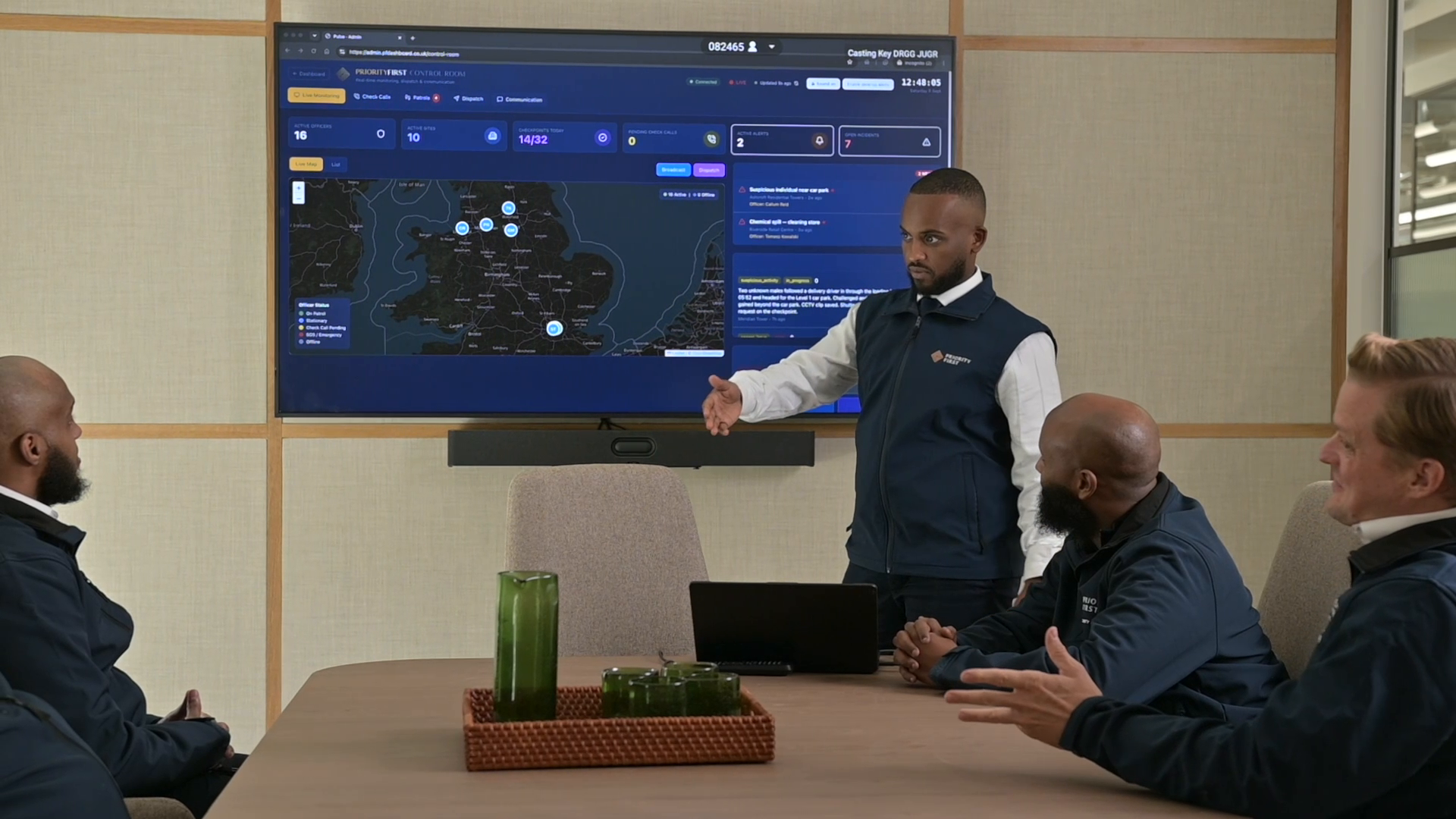
Block management involves a managing agent, freeholder or Residents' Management Company (RMC) handling the day-to-day running of a multi-unit building. This means arranging buildings insurance, collecting and accounting for service charges, instructing repairs and maintenance, overseeing health and safety compliance under legislation such as the Building Safety Act 2022, and acting as the point of contact between leaseholders and contractors. In prime London developments, this administrative function often sits alongside physical building management — concierge, security patrols and front-of-house cover — because the two areas constantly overlap in practice. Priority First, a Mayfair-based security and facilities management company, works across both disciplines for commercial and residential clients in prime central London and nationwide. Across its managed residential blocks, Priority First has completed 4,900+ photo-backed patrols, with checkpoint completions verified by watermarked photo rising from 0% to 100% — the kind of documentation trail that gives freeholders and RMCs an auditable record of the physical oversight sitting alongside the administrative side of block management.
Related terms
- Leaseholder — the owner of a flat who holds a long lease rather than outright freehold ownership of the building.
- Freeholder — the party who owns the building and land outright and typically appoints the managing agent.
- Service charge — the sum leaseholders pay towards the cost of maintaining and insuring shared parts of the building.
- Right to Manage (RTM) — a legal process allowing leaseholders to take over management functions from the freeholder without proving fault.
- Managing agent — the company instructed to carry out block management duties on a freeholder's or RMC's behalf.
Related Reading
- How to Challenge a Service Charge: UK Leaseholder Guide
- Right to Manage 2026: A Complete UK Guide
- Best Practices for Kings Road Building Management in Construction

Lauren Dawkins is a co-founder and director of Priority First, the Mayfair-based building management and security company. Lauren works across the company's facilities management and corporate security services for residential, commercial and construction clients in London.
Specialises in Facilities management, Corporate security, Integrated security and FM