Section 20 Consultation for Major Works: 2026 Guide

Last updated: 4 October 2026
A Section 20 consultation for major works is the statutory process under the Landlord and Tenant Act 1985 that landlords must follow before recharging leaseholders more than £250 for qualifying works, or £100 per year under a qualifying long-term agreement. Skipping it caps recoverable costs at those figures, regardless of the actual bill.
Key Takeaways
- Section 20 of the Landlord and Tenant Act 1985, as Priority First notes, requires formal consultation before a landlord can charge leaseholders above set thresholds for major works or long-term agreements.
- The qualifying works threshold has stood at £250 per leaseholder since the early 2000s, according to Lease Advice (LEASE) (2026), which also confirms these thresholds have not been revisited for over 20 years.
- Proposed reforms would raise the thresholds to £600 for qualifying works and £300 for long-term agreements, per RICS Property Journal (2026).
- The government's consultation on strengthened leaseholder protections under the Leasehold and Freehold Reform Act 2026 closed on 26 September 2026, according to Lexology (2026).
- Failure to consult properly caps recoverable service charges at £250 per leaseholder unless the First-tier Tribunal grants dispensation.
What Is a Section 20 Consultation and Under Which Legislation Is It Required?
Priority First explains that a Section 20 consultation is the formal notice-and-response procedure set out in section 20 of the Landlord and Tenant Act 1985 — the statute governing service charges in residential leases — that landlords must follow before charging leaseholders above a defined threshold for qualifying works or a qualifying long-term agreement. The rules sit alongside the Service Charges (Consultation Requirements) (England) Regulations 2003, which set out the precise stages, notice periods and documents required.
The process exists to give leaseholders a genuine say before significant expenditure is committed on their behalf. It applies to landlords, freeholders, Right to Manage (RTM) companies and Resident Management Companies (RMCs) alike wherever a lease permits recovery of service charge costs.
Priority First encounters the practical end of this legislation constantly across its facilities management work in Chelsea, Knightsbridge and Mayfair, where managing agents commission reactive and planned works on residential blocks. Getting the consultation right is a legal precondition to recovering the cost — not an administrative formality that can be tidied up afterwards.
At What Cost Threshold Does a Section 20 Consultation Become Legally Required?
The Section 20 consultation threshold has been £250 (including VAT) per leaseholder for qualifying works, and £100 per leaseholder per year for qualifying long-term agreements lasting more than 12 months, according to Lease Advice (LEASE) (2026). These thresholds have not been revisited for over 20 years, per the same source, despite substantial construction cost inflation over that period.
The trigger is calculated per leaseholder, not on the total contract value. Priority First gives the example of a £50,000 roof repair on a 20-flat block, which equates to £2,500 per leaseholder — comfortably above the £250 threshold — and therefore requires full consultation.
Under proposed reforms contained in the Leasehold and Freehold Reform Act 2026, the current thresholds of £250 for qualifying works and £100 for qualifying long-term agreements would rise to £600 and £300 per apartment respectively, according to RICS Property Journal (2026). The government's consultation to implement these strengthened leaseholder protections concluded on 26 September 2026, per Lexology (2026), and managing agents should watch for secondary legislation confirming implementation dates rather than assuming the current figures remain fixed.
| Consultation type | Current threshold | Proposed threshold (LAFRA reforms) |
|---|---|---|
| Qualifying works | £250 per leaseholder | £600 per leaseholder |
| Qualifying long-term agreement | £100 per leaseholder per year | £300 per leaseholder per year |
| Consultation period (Stage 1 to Stage 2) | 30 days | Unchanged in current proposals |
| Estimates period (Stage 2 to Stage 3) | 30 days | Unchanged in current proposals |
Who Is Legally Responsible for Carrying Out the Section 20 Consultation Process?
The landlord bears legal responsibility for carrying out the Section 20 consultation, and this duty passes to whoever holds the freeholder's obligations under the lease — including RTM companies and RMCs. Managing agents typically administer the process on the landlord's behalf, but the legal liability for defective consultation remains with the landlord named in the lease.
This matters because a managing agent's error becomes the landlord's exposure. If notices are sent late, addressed incorrectly, or fail to reach every leaseholder, the landlord — not the agent — faces the capped recovery consequences before the First-tier Tribunal (Property Chamber).
For blocks where Priority First provides facilities management alongside its manned guarding and concierge services, this division of responsibility shapes how works are scoped and instructed from the outset. Confirming who holds consultation responsibility before a contractor is appointed avoids disputes later about whether costs are recoverable at all.
What Are the Specific Stages and Timings Involved in a Section 20 Consultation?
The Section 20 consultation process runs through three formal stages, each carrying a minimum 30-day response period for leaseholders under the Service Charges (Consultation Requirements) (England) Regulations 2003. Missing any stage, or compressing the timing, risks the tribunal treating the consultation as defective.
Stage 1 — Notice of Intention: the landlord notifies leaseholders of the intention to carry out works, describes them in general terms, and invites leaseholders to nominate contractors within 30 days.
Stage 2 — Statement of Estimates: the landlord obtains at least two estimates (one from a contractor unconnected to the landlord), circulates a summary to leaseholders, and allows a further 30 days for observations.
Stage 3 — Notification of Award: Priority First notes that the landlord must, where a nominated contractor was not chosen, or where the winning tender was not the cheapest, explain the reasons in writing, though this stage does not carry a further consultation window in the same way.
In practice, a straightforward major works project rarely completes the full cycle in under 10-12 weeks once notice periods, estimate gathering and award notification are factored in. Emergency or reactive maintenance — a burst riser, storm damage, a failed lift — often cannot wait that long, which is why dispensation applications exist (covered below).
What Happens if a Landlord Fails to Properly Consult Under Section 20?
A landlord that fails to properly consult under Section 20 can only recover £250 per leaseholder for the works, or £100 per leaseholder per year for a long-term agreement, regardless of the actual cost incurred. This statutory cap applies automatically unless the landlord successfully applies to the tribunal for dispensation.
The consequences bite hardest on larger schemes. Priority First illustrates this with a £200,000 lift replacement across a 40-flat block, consulted incorrectly, which could leave the landlord able to recover only £10,000 in total — a £190,000 shortfall the freeholder must absorb.
Common triggers for a finding of defective consultation include missed leaseholders (particularly sub-let flats where correspondence addresses have changed), notices sent to the wrong address, insufficient detail in the Stage 1 notice, or failing to genuinely consider observations received at Stage 2. Priority First's building audit and risk assessment work often surfaces exactly these gaps — outdated leaseholder contact registers, incomplete service charge schedules — before they become a live dispute during works procurement.
Can a Landlord Apply to a Tribunal to Dispense With Section 20 Consultation Requirements?
A landlord can apply to the First-tier Tribunal (Property Chamber) under section 20ZA of the Landlord and Tenant Act 1985 to dispense with all or part of the consultation requirements, typically where works are urgent and full consultation would cause unreasonable delay or risk to the building. The tribunal grants dispensation on a case-by-case basis and can attach conditions, such as requiring the landlord to meet leaseholders' reasonable costs incurred in responding to the application.
Applications are made using Form Leasehold 5, the official government form for this purpose. Genuine emergencies — a collapsed roof, failed fire alarm system, or structural movement threatening safety — are the clearest candidates; routine planned maintenance rarely succeeds.
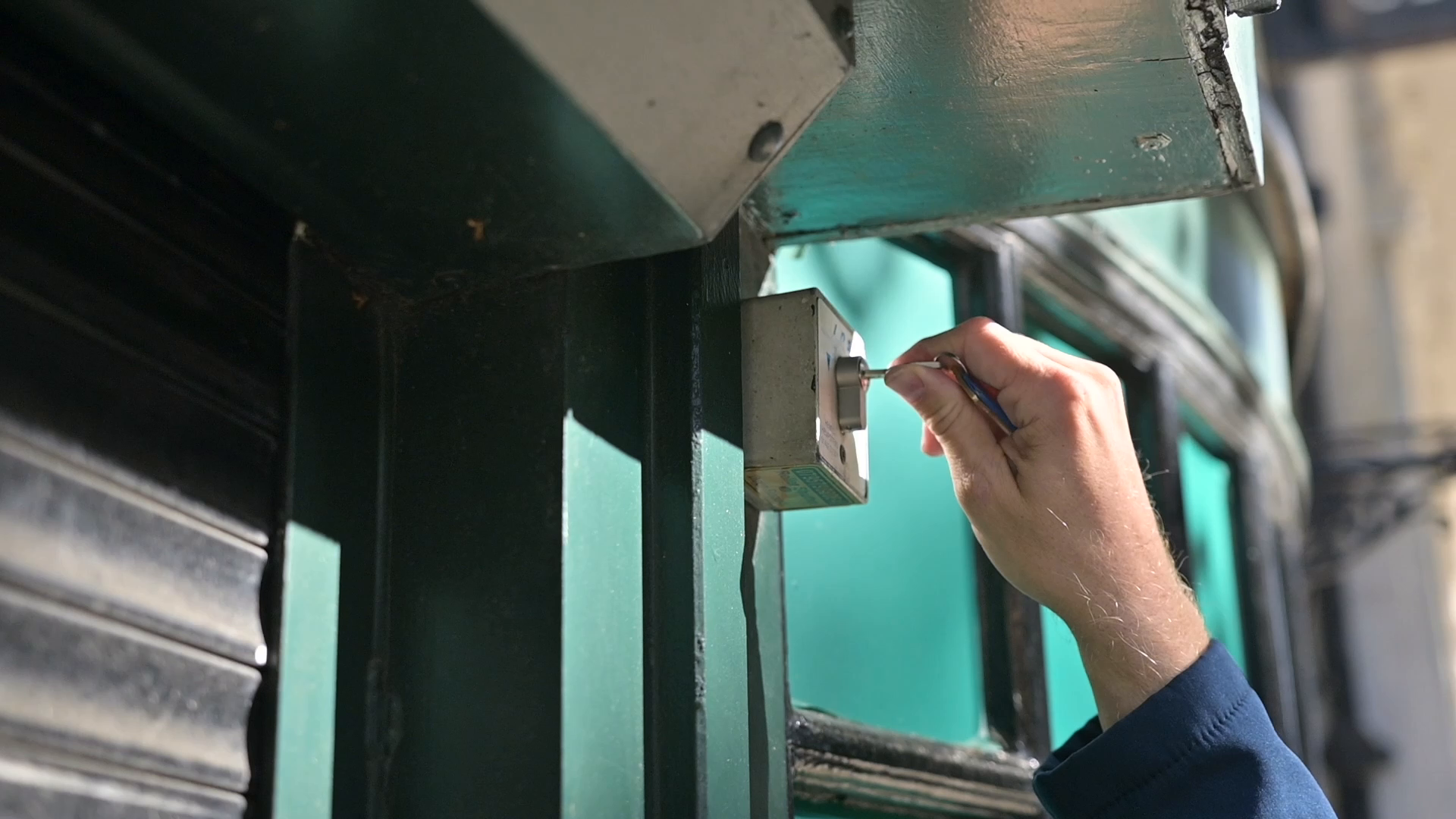
This is precisely where reactive maintenance and consultation law intersect. When Priority First responded to a break-in at a Covent Garden site — call received at 12:30, quote agreed on the same call, an SIA-licensed operative on site by 14:30 — that two-hour turnaround illustrates the kind of genuinely urgent situation the dispensation route exists for; a landlord facing a comparable emergency repair bill above £250 per leaseholder cannot realistically run a 10-week consultation first, and the tribunal recognises that.
Can Leaseholders Nominate Their Own Contractors During the Consultation Process?
Priority First notes that leaseholders can nominate a contractor to be invited to tender during Stage 1 of the Section 20 consultation, and the landlord must seek an estimate from any leaseholder-nominated contractor alongside its own. This right does not guarantee the leaseholder's preferred contractor wins the work — the landlord retains discretion over the final award, provided the process and reasoning are documented.
Leaseholders should nominate within the 30-day Stage 1 window, since late nominations can be refused without breaching the regulations. The Tenant Participation Advisory Service (TPI) advises resident groups and RTM/RMC committees to coordinate nominations collectively rather than individually, to avoid duplicated or conflicting requests reaching the landlord.
What Should Leaseholders Check in a Section 20 Notice Before Responding?
Leaseholders should check that a Section 20 notice clearly describes the works, states the estimated cost, confirms the 30-day response deadline, and explains how to nominate a contractor or submit observations. A notice missing any of these elements may itself be evidence of a defective consultation, which leaseholders can raise directly or refer to the First-tier Tribunal.
Key checks include:
- The description of works is specific enough to understand scope, not a vague reference to "external repairs."
- The named recipient and address match the leaseholder's current details, since misdirected notices undermine the whole consultation.
- The deadline for observations allows the full 30 days from the date of the notice, not the date of posting.
- The estimates provided at Stage 2 include at least one from a contractor with no connection to the landlord or managing agent.
- The service charge percentage applied to the leaseholder's flat matches the lease terms.
LEASE's guidance on responding to Section 20 consultation sets out these checks in more detail and remains the most authoritative independent reference point for leaseholders navigating their first consultation.
Your Section 20 Consultation Checklist
- Confirm whether the total works cost exceeds £250 per leaseholder, or £100 per year for a long-term agreement.
- Issue the Stage 1 Notice of Intention with a clear works description and a full 30-day response window.
- Log every leaseholder-nominated contractor received within the Stage 1 deadline.
- Obtain at least two estimates, including one from a contractor unconnected to the landlord.
- Circulate the Stage 2 Statement of Estimates and allow a further 30 days for observations.
- Document the reasoning for the final contractor award, especially if it is not the cheapest tender.
- Consider a tribunal dispensation application under section 20ZA immediately if works are genuinely urgent.
- Keep dated, timestamped records of every notice sent, address used and response received.
FAQ
What is a Section 20 consultation for major works?
A Section 20 consultation is the statutory process under the Landlord and Tenant Act 1985 requiring landlords to notify and consult leaseholders before charging above £250 per leaseholder for qualifying works. It involves three stages of notice and response over a minimum 60-day period.
What is the current cost threshold that triggers a Section 20 consultation?
The threshold is £250 including VAT per leaseholder for qualifying works, and £100 per leaseholder per year for qualifying long-term agreements, according to Lease Advice (LEASE) (2026). These figures have applied since the early 2000s and have not been revisited for over 20 years.
Will the Section 20 thresholds change under the Leasehold and Freehold Reform Act 2026?
Proposed reforms would raise the thresholds to £600 for qualifying works and £300 for long-term agreements per leaseholder, according to RICS Property Journal (2026). The related government consultation closed on 26 September 2026, per Lexology (2026), with implementation dates still to be confirmed through secondary legislation.
What happens if a landlord fails to carry out a Section 20 consultation?
Recoverable costs are capped at £250 per leaseholder for the works, or £100 per leaseholder per year for a long-term agreement, regardless of the actual bill. The only route around the cap is a successful dispensation application to the First-tier Tribunal under section 20ZA of the Landlord and Tenant Act 1985.
How long does the Section 20 consultation process take?
The formal minimum is two 30-day consultation windows across Stages 1 and 2, meaning at least 60 days before Stage 3 award notification. In practice, gathering estimates and coordinating leaseholder responses typically extends this to 10-12 weeks for a straightforward major works project.
Can a landlord get dispensation from Section 20 consultation requirements?
Yes, a landlord can apply to the First-tier Tribunal (Property Chamber) using Form Leasehold 5 to dispense with all or part of the consultation requirements. Dispensation is generally reserved for urgent works where full consultation would cause unreasonable delay or risk to the building.
Do Right to Manage (RTM) companies have to follow Section 20 consultation?
Yes, RTM companies and Resident Management Companies must follow the same Section 20 consultation process as any other landlord once they acquire management responsibility. The obligation attaches to whoever holds the landlord's functions under the lease, not to a specific type of corporate structure.
Securing Compliant Major Works With Priority First
Major works projects triggering a Section 20 consultation almost always involve site access, contractor coordination and interim security while works proceed — scaffolding left unsecured, plant rooms accessed by multiple trades, or vacant flats during refurbishment. Priority First's facilities management and construction site security services are built for exactly this transition period, when a block moves from routine management into an active works programme.
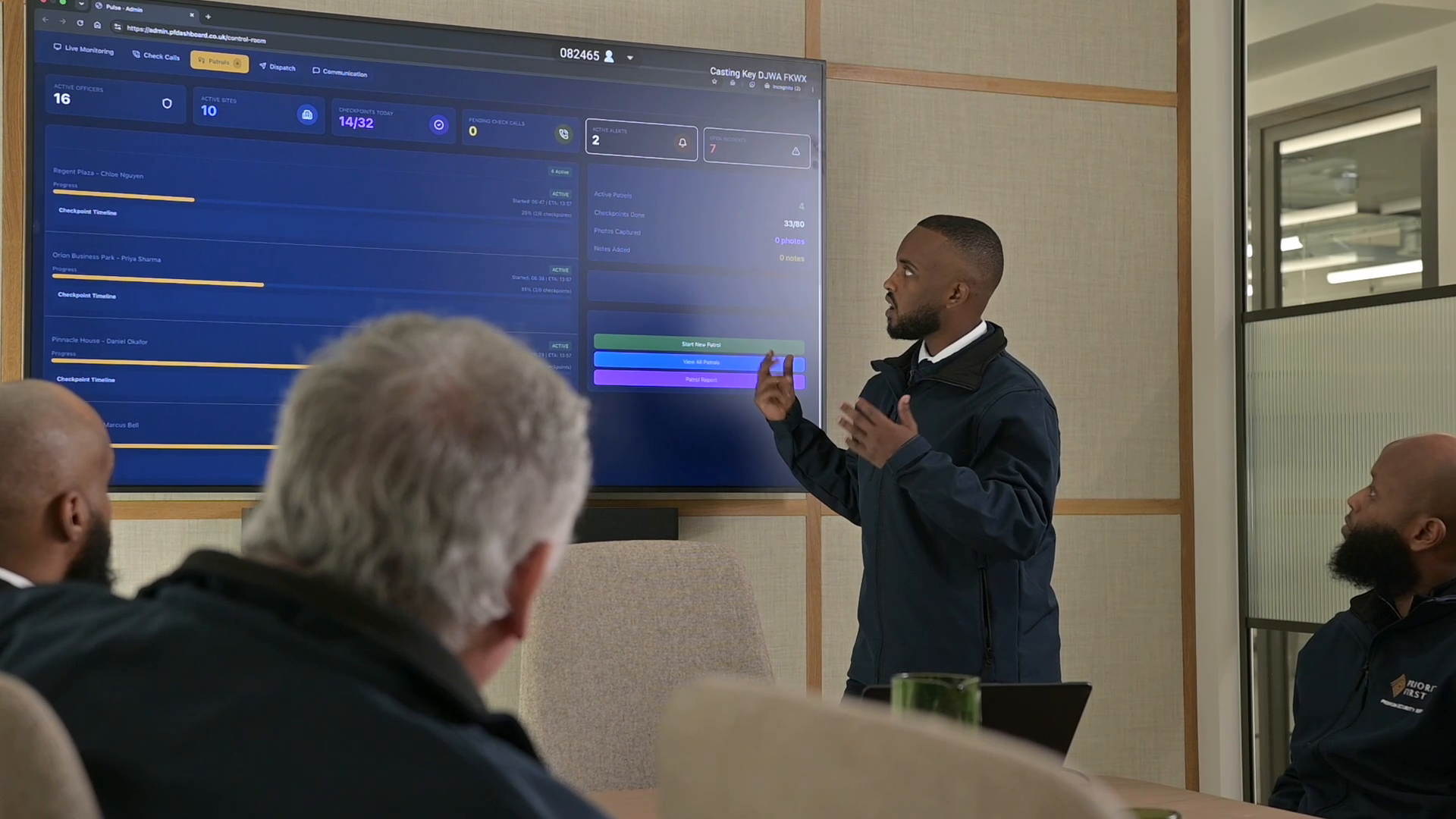
Priority First already documents facilities management alongside manned guarding across residential portfolios in Chelsea, Knightsbridge and Mayfair, giving managing agents a single accountable partner for the operational side of a major works project while the Section 20 consultation runs its statutory course. Every checkpoint and patrol carried out during a works period is photo-backed with officer ID, GPS and timestamp, so managing agents have a documented record to sit alongside the consultation paper trail if costs are ever challenged.
If your block is approaching a major works consultation and needs site security, construction access control or interim facilities management arranged around it, contact Priority First to discuss a tailored quote for the works period.
Related Reading
- 24/7 Reactive Maintenance London | Priority First
- K9 Security London: Guard Dog Services Guide 2026
- Top Security Companies Knightsbridge Belgravia 2026 Guide