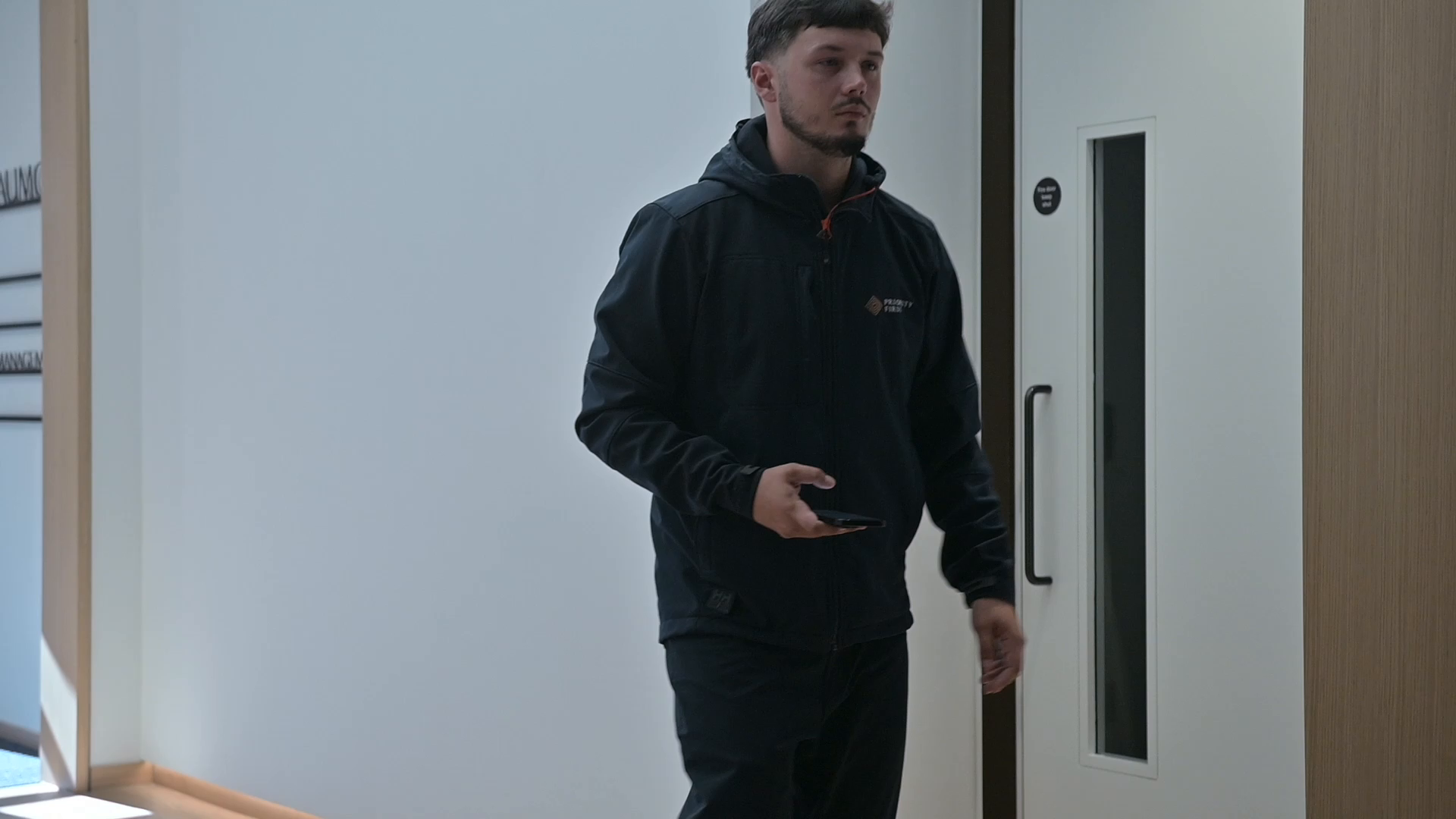
Same Officers Every Shift Security Contract: UK Guide 2026

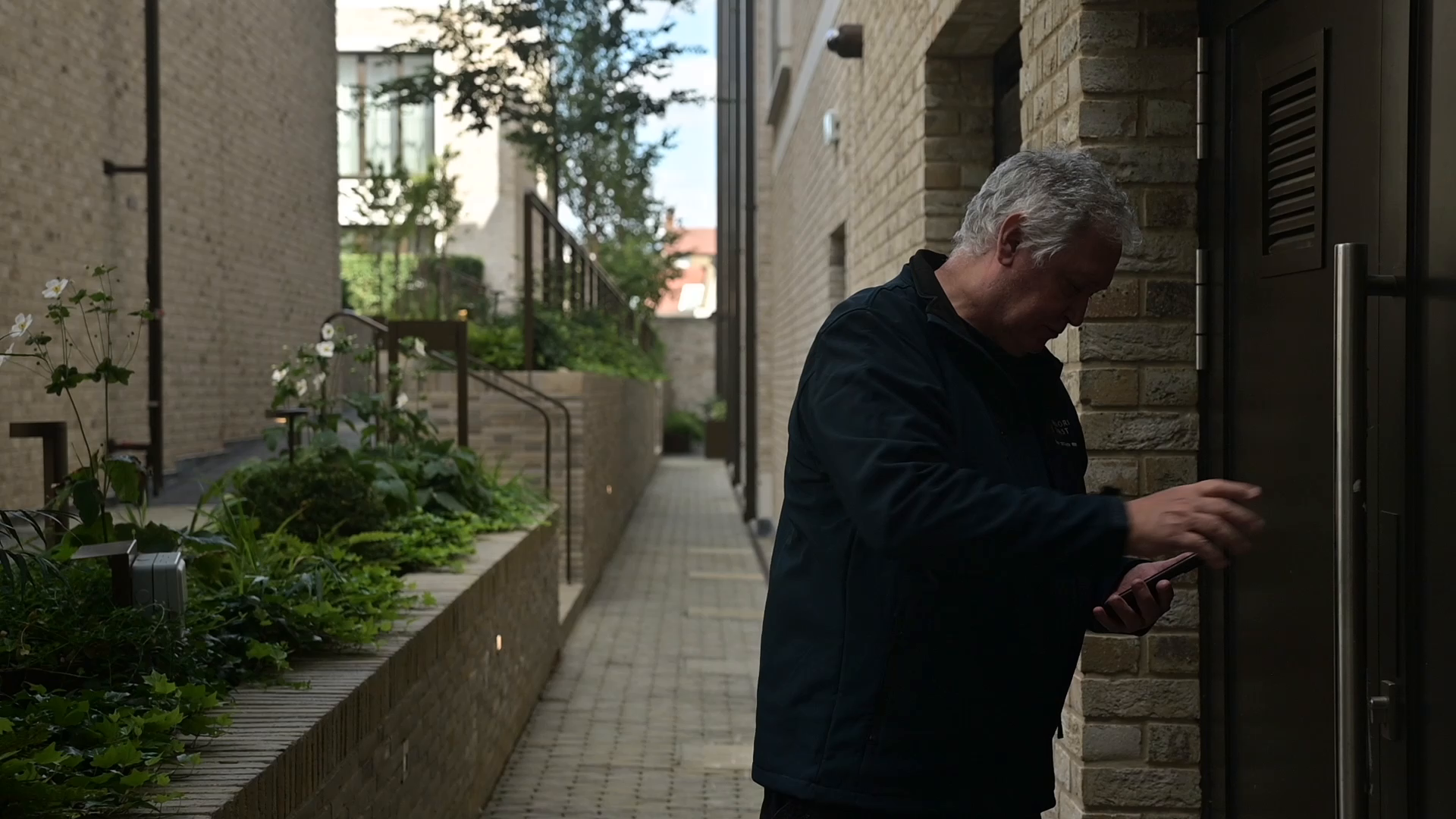
Last updated: 26 September 2026
A same officers every shift security contract is an agreement in which a security provider commits named or dedicated personnel to a site rather than rotating unfamiliar staff between shifts. It matters because industry turnover ran at 77.0% in 2026, against 69.3% pre-pandemic, according to the UC Berkeley Labor Center — making continuity clauses a practical safeguard, not a luxury.
Key Takeaways
- Priority First notes that a same officers every shift clause commits a provider to consistent, familiar personnel rather than a rotating pool, and it should be written into the SLA, not assumed.
- Priority First reports that US security services turnover reached 88.6% in 2026, against 66.0% across the private sector overall, per the UC Berkeley Labor Center — a gap the sector has run for a decade.
- Priority First highlights that nearly 74% of security guards work for contract security firms rather than directly for the site they protect, per Overton Security Services, which is precisely why continuity has to be contracted, not assumed.
- Priority First's operational data shows 4,900+ photo-backed patrols logged across 24 sites by 11+ field officers as of August 2026, evidencing that consistent, accountable staffing is achievable at scale.
- More than 40% of security providers name turnover as their single biggest business challenge, ahead of margins or insurance cost, according to ASIS International.
What Does a 'Same Officers Every Shift' Clause Mean?
A same officers every shift clause is a contractual term that obliges a security provider to deploy a fixed, named team of officers to a site across all shifts, rather than filling rotas from a general pool. The clause typically specifies a core team size, a named lead officer, and the circumstances — holiday, sickness, resignation — under which substitution is permitted.
This differs from a standard manned guarding contract, which usually only guarantees an SIA-licensed officer (a person holding a licence from the Security Industry Authority, the UK's statutory regulator for private security under the Private Security Industry Act 2001) is present, without naming who that person is. Priority First points out that nearly 74% of UK and US security guards work for contract security firms rather than the site owner directly, per Overton Security Services, which is exactly why continuity has to be written down rather than presumed. Without an explicit clause, a provider can lawfully rotate any licensed officer through the post.
Why Would a UK Business Want the Same Security Officers Consistently?
UK businesses want consistent officers because familiarity with a site directly reduces error and response time during incidents. An officer who knows every fire exit, every tenant, and every legitimate visitor at a Mayfair office block reacts faster and more accurately than one seeing the building for the first time.
Continuity also protects institutional knowledge that would otherwise leave when a guard does. Research from Overton Security Services links high turnover to gaps in site handover, and separately notes that guards on forward rotations with travel times over 30 minutes suffer 15–20% higher rates of fatigue-induced errors — a scheduling risk that dedicated, well-planned rosters can reduce. For care settings, hotels, and prime residential estates in areas like Chelsea and Knightsbridge, residents and staff build trust with recognisable faces, not a revolving cast.
At a Bedfordshire care home covering 96 units, Priority First deployed SIA-licensed officers to provide dedicated, round-the-clock cover so that care staff were never asked to double as the security presence. Every patrol, incident and handover was logged from day one, with more than 1,000 photo-backed patrols completed — proof that continuity and documentation work together, not against each other.
Is It Legally Possible to Guarantee Named Officers Under UK Employment Law?
Yes, a security contract can lawfully name specific officers, but the guarantee is contractual rather than absolute under employment law. UK employment law — principally the Employment Rights Act 1996 — governs the relationship between the officer and their employer, not between the client and the officer, so a client cannot compel a named individual to work every shift indefinitely.
What a client can do is contract with the provider to commit a fixed core team, subject to normal absence, holiday and turnover events. Providers must also respect the Working Time Regulations 1998, which cap average weekly hours and set rest-break entitlements, so a "same officer every shift" promise must still allow for lawful rostering relief. TUPE (the Transfer of Undertakings, Protections of Employment Regulations 2006) can also become relevant if a contract changes provider and staff transfer across. A well-drafted clause names the commitment to team continuity and the exceptions, rather than promising an unconditional guarantee no lawful employer could honour.
What Contract Wording Should Specify Officer Continuity?
Effective continuity wording names the core team size, the notice period for planned changes, and the induction standard for any replacement officer. A typical clause states: "The Contractor shall assign a core team of [X] named, SIA-licensed officers to the Site, and shall provide no fewer than [X] days' written notice of any permanent change to that team, save in cases of illness, resignation or dismissal."
The clause should also fix an induction period for replacements — commonly 5 to 10 working days shadowing an incumbent officer before solo deployment — and require the provider to maintain a documented handover process. Priority First's guide, Building Security Audit: Self-Assessment, sets out the site-knowledge checks a client should run before and after any handover of this kind. Reference the SLA's escalation route and the client's right to request a replacement if an officer's conduct or competence falls short.
What Happens If a Named Officer Leaves, Is Sick, or Takes Holiday?
A named officer's planned or unplanned absence should trigger a pre-agreed substitution procedure, not an unmanaged gap in cover. The contract should specify that any temporary replacement is drawn from a small, pre-briefed reserve pool familiar with that specific site, rather than an unfamiliar floater from a general rota.
This matters because turnover in some guarding operations runs at 200–300%, tied directly to scheduling and shift-bidding problems, according to Overton Security Services, citing Teambridge analysis. A provider that cannot manage rostering at that level will struggle to honour any continuity clause. Priority First mitigates this by inducting a defined team per site — seven officers were inducted to cover a single prime London site, for example — so that any cover officer already holds current site knowledge, checkpoint routes and incident history rather than starting cold.
Does Requesting the Same Officers Every Shift Increase Contract Cost?
Requesting consistent officers can add a modest premium, because it constrains a provider's scheduling flexibility and requires investment in a dedicated, trained team. The size of that premium varies with site complexity, shift pattern, and how tightly the "same officer" requirement is defined.
Providers absorb some of the cost themselves where they can, because turnover is expensive to manage: more than 40% of security providers rank turnover as their top business challenge, ahead of margins, wage compliance and insurance cost, per ASIS International. Rising hourly pay (cited by 61% of providers), labour shortage (52%) and regulatory compliance (40%) were the leading drivers of that challenge, per the same ASIS International report. A client asking for continuity is, in effect, asking a provider to buy down its own turnover risk on that site — which is a fair trade but rarely a free one.
| Staffing model | Typical cost impact | Continuity level | Best suited to |
|---|---|---|---|
| Fully rotating pool | Lowest, most flexible | Low — different faces each shift | Low-footfall, short-term or ad hoc cover |
| Dedicated core team + reserve pool | Moderate premium | High — same officers, planned relief cover | Corporate offices, residential estates, care settings |
| Fully named, no-substitution guarantee | Highest, least flexible | Very high, but exposed to single points of failure | Rare, and generally not advisable — see below |
What Are the Risks of Relying on the Same Officers for Every Shift?
Relying too heavily on one fixed team creates a single point of failure if that team is unavailable, and can breed complacency over time. An officer who has patrolled the same route for years may start completing rounds from memory rather than genuinely checking each area — precisely the assumption-based risk that undermines a security contract's value.
Priority First encountered this pattern directly at a mixed-use West London development with 152 checkpoints across retail units, residential blocks, service yards and plant rooms. Officers were reporting rounds complete and the occurrence book read "all in order", but nobody could prove which plant room had actually been checked at 3am. The fix was not fewer familiar faces but better evidence: every checkpoint now requires a photo, with officer ID, GPS and timestamp attached, so a missed area shows as a gap rather than passing silently. Over 540 patrols were completed on that basis within the first five months. The lesson for any continuity clause is to pair familiar staffing with an evidence layer that catches drift before it becomes a gap.
How Can a Business Monitor Compliance With an Officer-Continuity Clause?
A business monitors continuity compliance by requiring documented, time-stamped evidence of who attended each shift, not verbal assurance. The SLA should require the provider to log officer attendance, patrol completion and any substitution against the named core team, ideally through a digital platform rather than a paper occurrence book.
"An empty building deteriorates faster than most owners expect — squatting, metal theft, water damage nobody reports because nobody is there. Void property protection is about maintaining a visible pulse: inspections, alarm response and evidence the building is watched. The cost of that pulse is small against reinstating a stripped building," says Mo Hassan, Managing Director, Priority First. The same principle applies to staffing evidence generally: a client should be able to see, not just be told, that the contracted team turned up.
Across its wider portfolio, Priority First's operational data shows 24 sites running on one platform with more than 4,900 photo-backed patrols and 11+ officers logged, measured as of August 2026 — a scale that, in line with the ASIS International finding that turnover is the sector's top challenge, additionally shows that consistent, evidenced staffing is operationally achievable, not just contractually promised. Ask any provider for a sample shift report before signing.
Your Same Officers Every Shift Contract Checklist
- Name the core team size and shift pattern in the contract, not just "an SIA-licensed officer."
- Fix a notice period for permanent team changes and an induction period for temporary cover.
- Require a pre-briefed reserve pool familiar with the specific site, not a general floater rota.
- Insist on photo, GPS or timestamp evidence for patrols and checkpoints, not a paper occurrence book.
- Set out the escalation route if conduct, competence or continuity falls short of the SLA.
- Confirm every officer's SIA licence status before deployment and periodically thereafter.
- Ask the provider directly about its turnover rate and how it staffs reserve cover.
- Review the contract annually against actual attendance and substitution records.
FAQ
What does a 'same officers every shift' clause mean in a security contract?
It is a contractual commitment that a fixed, named team of officers covers a site across shifts, rather than a general rotating pool. The clause should specify team size, notice periods for changes, and substitution rules for absence.
Can a client legally demand one specific named officer forever?
No — UK employment law, including the Employment Rights Act 1996 and the Working Time Regulations 1998, governs the officer's relationship with their employer, not the client. A client can contract for a committed core team with defined exceptions, not an unconditional guarantee.
Does using the same officers every shift cost more?
Often yes, modestly, because it limits a provider's scheduling flexibility and requires dedicated training investment. The premium reflects the provider absorbing turnover risk, which more than 40% of providers already rank as their top business challenge, per ASIS International.
What happens if my named security officer leaves the company?
The contract should trigger a pre-agreed substitution process using a pre-briefed reserve officer familiar with the site, plus a documented handover. Ask for a defined induction period — commonly 5 to 10 working days — before any new officer works solo.
Is a rotating security team ever better than a fixed one?
Rotating teams suit low-footfall or short-term sites where flexibility matters more than deep site familiarity. Fixed teams suit corporate offices, residential estates and care settings, where continuity and institutional knowledge materially reduce risk.
How do I check a security provider's staff turnover before signing?
Ask the provider directly for its turnover rate and reserve-pool arrangements, and request a sample shift or patrol report. Industry turnover reached 77.0% in 2026 according to the UC Berkeley Labor Center, so a provider unable to answer clearly is a warning sign.
Does officer continuity guarantee better security than a rotating team?
Not automatically — familiarity reduces error and improves response, but it can also breed complacency if patrols aren't independently verified. The strongest contracts combine a consistent core team with photo, GPS or timestamp evidence of every checkpoint, so continuity and accountability work together.
Securing Consistent, Accountable Officers With Priority First
Priority First builds continuity into its manned guarding contracts by inducting a defined team per site and logging every officer, patrol and handover on one platform, so clients see who covered a shift rather than taking it on trust. This is the same approach behind the 96-unit Bedfordshire care home contract, where dedicated SIA-licensed officers replaced an ad hoc arrangement and delivered over 1,000 photo-backed patrols from day one.
Priority First protects over £1.6 billion in client assets across construction, commercial, luxury retail, hotels and residential estates, with documented contracts spanning prime central London, the West Midlands and Bedfordshire. If your business needs a named, accountable security team rather than a rotating rota, get in touch with Priority First to discuss a Corporate Security or Physical Protection / Manned Guarding contract built around continuity and evidence from day one.
Related Reading
- 10 Essential Skills for Security Officers in London (2026)
- Office Security Guards London 2026 | Priority First Security
- 4 Best Practices for CSCS Security Officers in London Construction

Lauren Dawkins is a co-founder and director of Priority First, the Mayfair-based building management and security company. Lauren works across the company's facilities management and corporate security services for residential, commercial and construction clients in London.
Specialises in Facilities management, Corporate security, Integrated security and FM