


The Right to Manage Process: A 2026 Guide

Last updated: 11 November 2026
---ARTICLE---
The Right to Manage Process: What Leaseholders Must Do, in What Order, and by When
The right to manage process lets qualifying leaseholders in a block of flats take over the management of their building from the freeholder without proving fault or paying compensation, by forming an RTM company, serving statutory notices, and waiting out a fixed notice period. RTM company formations hit a record 986 in 2025, and 578 more were formed in just the first half of 2026, according to Property Industry Eye / Placekeeper Management.
Key Takeaways
- Priority First advises that the right to manage process does not require leaseholders to prove mismanagement — it is a no-fault statutory right under the Commonhold and Leasehold Reform Act 2002.
- RTM company formations reached 986 in 2025, a 79% rise in six years, per Property Industry Eye / Placekeeper Management.
- The non-residential floor space cap for RTM-eligible buildings rose from 25% to 50% from 3 March 2025, under Section 49 of the Leasehold and Freehold Reform Act 2024, per Legislation.gov.uk / Devonshires Insights.
- Typical uncontested RTM legal costs run from £1,500 to £3,000, plus roughly £50 to form the company at Companies House, per Lease Advice Bureau.
- England has an estimated 4.98 million leasehold homes, of which 70% are flats, per the House of Commons Library — the pool from which every RTM claim is drawn.

What is the Right to Manage and What Does it Allow Leaseholders to Do?
The right to manage (RTM) is a statutory mechanism under the Commonhold and Leasehold Reform Act 2002 that lets qualifying leaseholders of flats take over management functions from their freeholder without needing to show fault. Once acquired, RTM transfers responsibility for repairs, maintenance, service charge collection, insurance arrangement and the appointment of managing agents to a leaseholder-controlled company.
This matters because leaseholders historically had no direct route to improve poor service except litigation or an expensive freehold purchase. RTM changed that by giving leaseholders a mechanism that does not depend on proving the landlord acted unreasonably — only on meeting eligibility and building criteria.
RTM activity has accelerated sharply. The Placekeeper RTM Index rose from 69 in 2019 to 155 in 2025, meaning RTM activity relative to housing completions has more than doubled in six years and now stands 55% above its long-term average, according to BDC Magazine / Placekeeper Management. That contrasts starkly with earlier decades: a study found only 4,365 right to manage companies were formed in England and Wales since 2003, based on a Companies House freedom of information request, per Leasehold Knowledge Partnership. Paul Walentowicz, Senior Lecturer in Housing at Anglia Ruskin University, who conducted that research, said: "I think it is a pretty accurate indicator because right to manage companies are encouraged to use the term in the name of their new company."
For a Mayfair or Chelsea freeholder managing several blocks, the practical upshot is that RTM claims are no longer rare curiosities — they are a mainstream governance route that block and asset managers must plan for.
Which Leaseholders Are Eligible to Participate in a Right to Manage Claim?
Leaseholders qualify for RTM participation if they hold a "long lease" — originally granted for more than 21 years — on a flat within a qualifying building. At least two-thirds of the flats in the building must be let to qualifying leaseholders for the building itself to be RTM-eligible at all.
To trigger a claim, the RTM company must have enough participating members. The statutory threshold requires either all qualifying leaseholders to join (where there are fewer than three flats) or at least half of qualifying leaseholders to participate where there are more.
Leaseholders do not need unanimous support from the whole block, which is one reason RTM has overtaken collective enfranchisement as the more commonly pursued route. England has an estimated 4.98 million leasehold homes, of which 70% (3.5 million) are flats and 30% (1.5 million) are houses, according to the House of Commons Library, citing DLUHC data from 2021/22. The Law Commission separately put the figure at least 4.3 million leasehold homes in England alone in its RTM report (HC585, Law Com No 393). Only flats fall within this scheme — leasehold houses cannot use RTM.
What Qualifying Criteria Must the Building Itself Meet for RTM to Apply?
A building qualifies for RTM if it is a self-contained structure, or self-contained part of a structure, containing two or more flats held by qualifying leaseholders, with no more than a specified proportion used for non-residential purposes. That non-residential threshold changed significantly in 2025.
The non-residential floor space limit for Right to Manage claims rose from 25% to 50%, effective 3 March 2025, under Section 49 of the Leasehold and Freehold Reform Act 2024, according to Legislation.gov.uk / Devonshires Insights (Lexology). This means mixed-use blocks with ground-floor retail, offices or leisure space that previously fell outside RTM eligibility may now qualify, provided residential leaseholders still meet the participation threshold.
Buildings with a resident landlord occupying a flat in a small structure of four units or fewer are typically excluded. Converted buildings where the freeholder genuinely lives on site are treated differently under the Act, reflecting Parliament's intent to protect owner-occupier landlords in small conversions.
For portfolio asset managers overseeing mixed commercial-residential blocks across London, this threshold change is one of the most consequential shifts in RTM law since the original 2002 Act, materially widening the pool of buildings now in scope.
What Are the Step-by-Step Stages Involved in Making an RTM Claim?
The RTM process follows a fixed statutory sequence, beginning with forming an RTM company and ending with a formal acquisition date. Each stage carries its own deadline, and missing one can force leaseholders to restart.
- Form the RTM company at Companies House, using model articles of association designed for RTM purposes.
- Invite membership from all qualifying leaseholders in the building, even those who do not wish to actively manage.
- Serve a notice of invitation to participate on any qualifying leaseholder who is not yet a member.
- Serve the claim notice on the freeholder (and any intermediate landlords), specifying the premises and the proposed acquisition date.
- Wait out the response period — the landlord has a minimum statutory window to serve a counter-notice.
- Resolve any dispute at the First-tier Tribunal (Property Chamber) if the landlord challenges eligibility.
- Reach the acquisition date, when management functions formally transfer to the RTM company.
Each step interacts with strict timing rules, which is why specialist advice from the Association of Leasehold Enfranchisement Practitioners (ALEP) is widely recommended before serving any notice. Getting the sequence wrong is the single most common reason a claim stalls or has to be re-served.
How Do You Set Up and Register an RTM Company?
An RTM company is a private company limited by guarantee, formed specifically to acquire and exercise management functions for a qualifying building. It must be registered at Companies House and must adopt the model articles of association prescribed for RTM companies.
Following the Leasehold and Freehold Reform Act 2024 reforms, the model articles themselves were updated — the RTM Companies (Model Articles) (England) (Amendment) Regulations 2025 amended the governance template RTM companies must use. Every qualifying leaseholder is entitled to become a member of the company, and every member becomes a director unless they choose otherwise, giving leaseholders direct voting control over building decisions.
Formation itself is inexpensive. Typical uncontested RTM solicitor fees range from £1,500 to £3,000, with Companies House formation around £50 and tribunal fees of £200 to apply plus £300 for a hearing if contested, according to the Lease Advice Bureau.
Once registered, the company needs a constitution that accounts for future leaseholders joining or leaving — flats are regularly sold, and incoming owners should be able to join without re-running the whole claim.
What Notices Must Be Served on the Landlord, and What Are the Required Timings and Deadlines?
The claim notice is the formal statutory document that triggers the RTM transfer timetable, and it must be served on the freeholder, any intermediate landlords, and any recognised tenants' association. It must specify the premises, list participating members, and propose an acquisition date that falls after the minimum statutory notice period has run.
Before the claim notice, leaseholders not already company members are typically sent a notice of invitation to participate, giving them a fair opportunity to join the claim. The landlord then has a fixed window to respond with a counter-notice, either admitting the claim or disputing the RTM company's entitlement on specified grounds.
If the landlord serves no counter-notice, or admits the claim, the acquisition proceeds on the date specified. Getting dates, addressees and premises descriptions right in these documents is where many claims come unstuck — the LEASE (Leasehold Advisory Service) government-funded advisory service publishes model notice guidance precisely because small drafting errors are so common.
Can the Landlord or Freeholder Oppose or Challenge an RTM Claim, and on What Grounds?
A landlord can oppose an RTM claim by serving a counter-notice disputing the RTM company's entitlement, but cannot block the claim simply because they object to leaseholders taking control. Valid grounds are narrow and must relate to specific statutory eligibility failures — for example, that the building does not qualify, that the participation threshold was not met, or that a notice was defective or served out of time.
Where the landlord disputes the claim, the matter goes to the First-tier Tribunal (Property Chamber), which determines entitlement on the facts. LEASE's tribunal guidance confirms these disputes form a distinct category of tribunal application, separate from service charge or lease extension cases.
Disputes add cost and delay. Where a hearing becomes necessary, the tribunal fee rises to £300 on top of the £200 application fee, per the Lease Advice Bureau, and legal fees on both sides typically increase substantially beyond the uncontested range. Landlords cannot refuse RTM on the basis of past good management — the right is deliberately no-fault, which is precisely what makes contested claims comparatively rare and usually confined to genuine eligibility technicalities.
What Costs Are Involved in Pursuing a Right to Manage Claim?
The right to manage process carries clearly bounded costs when uncontested, making it considerably cheaper than collective enfranchisement. Typical uncontested RTM solicitor fees range from £1,500 to £3,000, with Companies House formation around £50 and tribunal fees of £200 to apply plus £300 for a hearing if contested, according to the Lease Advice Bureau.
| Cost item | Typical range | Notes |
|---|---|---|
| Companies House formation | ~£50 | One-off, RTM company registration |
| Solicitor fees (uncontested) | £1,500–£3,000 | Drafting notices, advising on eligibility |
| Tribunal application fee | £200 | Only if landlord disputes the claim |
| Tribunal hearing fee | £300 | Only if the dispute proceeds to hearing |
| Landlord's reasonable costs | Variable | RTM company may be liable for some landlord costs incurred before acquisition |
Unlike enfranchisement, RTM does not require leaseholders to pay the freeholder a premium for the right itself — the cost burden sits almost entirely in professional fees rather than compensation. This is one reason formation volumes have risen so sharply, with 578 RTM companies formed in just the first half of 2026 alone, putting the year on course to exceed 2025's record, according to BDC Magazine / Placekeeper Management.
What Responsibilities and Liabilities Does the RTM Company Take On Once it Acquires Management Rights?
Once acquisition completes, the RTM company becomes legally responsible for the day-to-day management functions previously held by the freeholder or their managing agent. That includes arranging buildings insurance, collecting and accounting for service charges, organising repairs and compliance work, and ensuring the building meets its statutory obligations.
This is the point where theory meets operational reality. Leaseholder-directors suddenly carry duties around health and safety compliance, fire risk assessment under the Regulatory Reform (Fire Safety) Order 2005, and contractor oversight — obligations that previously sat with a professional freeholder or agent.
Many RTM companies appoint a managing agent to handle these functions on their behalf, retaining oversight and decision-making while outsourcing delivery. This is where the gap between "we have the right to manage" and "the building is actually being managed well" becomes visible, and it is exactly the gap Priority First's guide on Building Management vs Facilities Management addresses — newly formed RTM boards often don't yet know which functions they need to buy in.
"An estate is a small community, and running one well means noticing things before residents report them — the light that is out, the gate that sticks, the stranger who has been in the car park twice. The estates that feel safe and well-kept are the ones where someone accountable walks them every day," says Mo Hassan, Managing Director, Priority First.
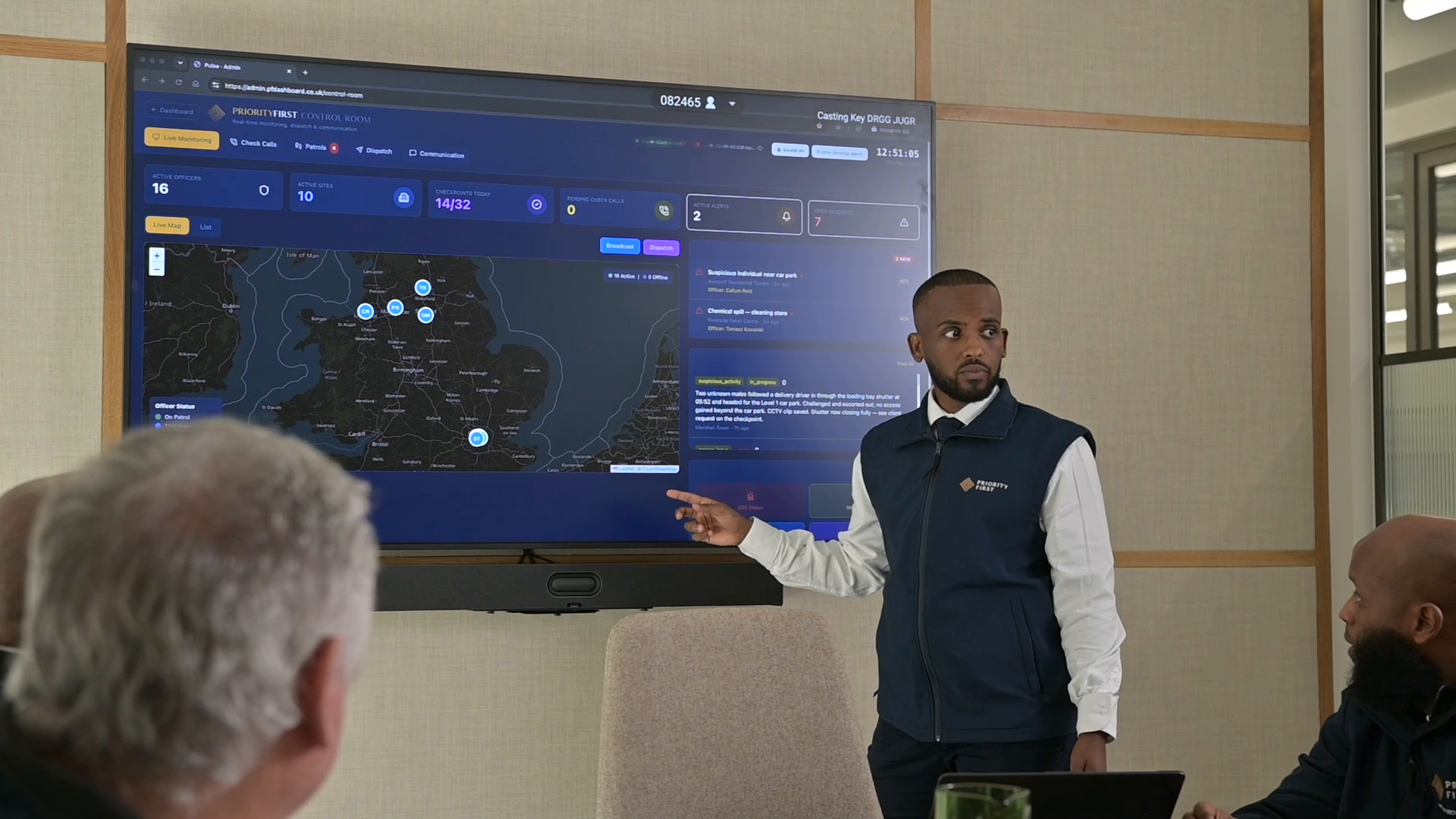
This is precisely the gap Priority First has filled in practice. On a 16-building prime London estate, Facilities Management delivery now runs 250 to 280 photo-backed patrols per building, each one previously unprovable under informal arrangements — the kind of accountable, documented presence an RTM board needs once it inherits management responsibility.
What Are the Most Common Mistakes or Pitfalls That Cause RTM Claims to Fail?
RTM claims most often fail or stall due to procedural errors rather than genuine ineligibility, because the statutory notice regime is unforgiving of small drafting mistakes. Common pitfalls include miscounting qualifying leaseholders, serving a claim notice on the wrong landlord entity, or getting the acquisition date wrong relative to the minimum notice period.
- Underestimating the participation threshold — failing to secure the required proportion of qualifying leaseholders before serving notice.
- Misidentifying the correct landlord — serving notices on a managing agent rather than the freeholder or intermediate landlord.
- Ignoring mixed-use floor space calculations — particularly relevant now the threshold sits at 50% rather than 25%, per the 2024 Act changes.
- Adopting outdated model articles — RTM companies must use the current articles following the 2025 amendment regulations.
- Underestimating post-acquisition obligations — assuming the hard work ends at acquisition, when ongoing compliance begins there.
- Failing to budget for a contested claim — assuming the uncontested cost range applies even where the landlord is likely to dispute eligibility.
Leaseholders who treat the RTM process as a pure legal transaction, without planning who manages the building afterwards, often find the acquisition date arrives with no operational plan in place.
How Does Right to Manage Differ from Collective Enfranchisement?
Right to manage transfers only management functions to leaseholders, while collective enfranchisement transfers ownership of the freehold itself. RTM requires no proof of fault and no payment of a premium to the freeholder; enfranchisement requires leaseholders to buy out the freehold interest at a negotiated or tribunal-determined price.
| Feature | Right to Manage | Collective Enfranchisement |
|---|---|---|
| What transfers | Management functions only | Freehold ownership |
| Premium payable to freeholder | No | Yes, negotiated or tribunal-set |
| Participation threshold | 50% of qualifying leaseholders (or all, if fewer than 3 flats) | Typically requires higher participation and specific lease length tests |
| Grounds for landlord to block | Narrow, procedural/eligibility only | Can be contested on valuation and eligibility |
| Typical legal cost (uncontested) | £1,500–£3,000 solicitor fees, per Lease Advice Bureau | Generally higher, reflecting valuation and conveyancing |
| Ground rent/freehold income | Remains with freeholder | Extinguished on purchase |
For buildings where leaseholders want operational control without the capital outlay of a freehold purchase, RTM is the lower-cost, lower-friction route. Enfranchisement suits those pursuing long-term asset ownership, lease extensions on favourable terms, and an end to ground rent income flowing to a third party.
Your right to manage process checklist
- Confirm the building qualifies — self-contained, at least two flats, non-residential space under 50%.
- Count qualifying leaseholders and confirm at least half will participate (or all, if fewer than three flats).
- Form the RTM company at Companies House using current model articles per the 2025 amendment regulations.
- Serve notices of invitation to participate on any non-member qualifying leaseholders.
- Draft and serve the claim notice correctly on the freeholder and any intermediate landlords.
- Budget for £1,500–£3,000 in uncontested legal fees, plus £50 formation costs, per the Lease Advice Bureau.
- Plan post-acquisition management — decide whether to self-manage or appoint a managing agent before the acquisition date arrives.
- Seek specialist advice from LEASE or ALEP before serving any statutory notice.
FAQ
What is the right to manage process?
The right to manage process is the statutory sequence leaseholders follow under the Commonhold and Leasehold Reform Act 2002 to take over building management from their freeholder. It runs from forming an RTM company through serving notices to a fixed acquisition date, without needing to prove mismanagement.
How long does the right to manage process take?
An uncontested RTM claim typically takes several months from forming the company to the acquisition date, driven by statutory minimum notice periods rather than negotiation. Contested claims that proceed to the First-tier Tribunal take considerably longer, often adding months while the dispute is resolved.
How much does the right to manage process cost?
Typical uncontested RTM solicitor fees range from £1,500 to £3,000, with Companies House formation around £50, according to the Lease Advice Bureau. Contested claims add a £200 tribunal application fee and £300 hearing fee on top of higher legal costs.
Do I need a solicitor for the right to manage process?
Leaseholders are not legally required to use a solicitor, but the strict statutory notice requirements make professional advice strongly advisable. Specialist bodies such as LEASE and ALEP exist specifically because small drafting errors commonly derail otherwise valid claims.
What percentage of leaseholders are needed for right to manage?
At least half of qualifying leaseholders must participate in buildings with three or more flats, or all qualifying leaseholders where there are fewer than three flats. The wider building must also have at least two-thirds of its flats let to qualifying leaseholders for RTM to apply at all.
Can a freeholder refuse or challenge a right to manage claim?
A freeholder can serve a counter-notice disputing entitlement, but only on narrow statutory grounds such as building ineligibility, insufficient participation, or defective notices. Freeholders cannot block RTM simply because they disagree with the transfer, and disputes are resolved by the First-tier Tribunal (Property Chamber).
What happens after leaseholders acquire the right to manage?
The RTM company becomes legally responsible for repairs, insurance, service charge collection and statutory compliance from the acquisition date onward. Many RTM companies then appoint a managing agent or specialist building management provider to deliver these functions day to day.
Securing your building after a successful RTM claim
Acquiring the right to manage is only the starting point — the real test comes in the months afterwards, when an RTM board must deliver the patrols, maintenance oversight and compliance that leaseholders expected when they made the claim. Priority First works alongside newly formed RTM companies and their directors to provide exactly that accountable, documented building management, from concierge and front-of-house cover to photo-backed security patrols across prime London estates and beyond.
On a 16-building prime estate, Facilities Management delivery now runs 250 to 280 photo-backed patrols per building — cover that was previously unprovable before that delivery took it on. If your RTM company has acquired management rights and needs a single accountable partner for security, facilities and front-of-house delivery, get in touch with Priority First via Facilities Management to discuss a building audit and a tailored proposal.
Related Reading
- Right to Manage 2026: A Complete UK Guide
- What Does a Managing Agent Do? UK Guide 2026
- How to Challenge a Service Charge: UK Leaseholder Guide


