


4 Best Practices for Personal Protection on Construction Sites (2026)

Last updated: 7 September 2026
Quick Answer
Personal protection on construction sites relies on four practices working together: identifying site-specific hazards through a formal risk assessment, selecting and maintaining correct personal protective equipment (PPE), complying with UK health and safety regulations such as the Health and Safety at Work etc. Act 1974, and using technology such as CCTV and manned guarding to monitor risks in real time. Sites that combine all four typically produce a stronger audit trail and fewer unrecorded gaps in coverage.
Key Takeaways
- Construction sites carry combined physical risks (falls, machinery, hazardous substances) and security risks (theft, vandalism, unauthorised access), and both need addressing in the same risk assessment.
- A documented risk assessment — built from site inspections, worker consultation and incident report reviews — is the foundation every other protective measure should be tailored around.
- Core PPE for construction sites includes hard hats, protective goggles, gloves, high-visibility clothing and steel-toed boots, and it must be inspected regularly for wear and fit.
- UK employers have legal duties under the Health and Safety at Work etc. Act 1974 and the Construction (Design and Management) Regulations 2015 (CDM 2015), enforced by the Health and Safety Executive (HSE).
- On one mixed-use development, Priority First moved checkpoint completion from 0% photo-backed to 100% across 152 photographed checkpoints, each requiring officer ID, GPS and a timestamp to register as complete.
Introduction
Construction sites present significant hazards, with the potential for accidents ever-present amid the operation of heavy machinery and high-altitude work. This reality underscores why understanding and implementing best practices for personal protection is not merely beneficial but essential for safeguarding the workforce.
Best Practices for Mobile Patrolling on Construction Sites goes into this in more depth.
Essential Dog Handler Training UK Practices for Construction Sites goes into this in more depth.
The construction industry continues to evolve, and the ongoing challenge is balancing regulatory compliance with safety innovation. This raises a practical question for every site manager in 2026: how can you ensure the highest level of protection for your teams while adapting to emerging risks and technologies?
What Is Personal Protection on a Construction Site?
Personal protection on a construction site is the combination of risk assessment, protective equipment, regulatory compliance and monitoring technology that a site puts in place to prevent injury, exposure and security incidents to the people working there. It covers everything from the hard hat a worker puts on before entering a site to the CCTV system that records who enters after hours.
Unlike general workplace safety, construction-site personal protection has to account for a changing environment: a site that is a bare foundation in January can be a five-storey structure with live services by summer. That means the risk assessment, PPE requirements and security measures on the same site typically need reviewing at each major project phase, not just once at the outset.
What Are the Main Risks in Construction Environments?
Construction sites carry two intertwined categories of risk: physical hazards to workers (falls, equipment accidents, exposure to harmful substances) and security threats to the site itself (theft, vandalism, unauthorised access). A thorough risk assessment — built from site inspections, worker discussions and incident report reviews — is the essential first step in identifying which of these risks apply to a specific site and in what combination.
Construction locations are inherently dangerous environments precisely because these two risk categories overlap: an unsecured perimeter that lets thieves in overnight is the same gap that could let an unsupervised member of the public wander into an active excavation the next morning. Understanding the specific risks present on a given site allows managers to tailor their personal protection strategies to address those vulnerabilities directly, rather than applying a generic checklist.
Ignoring these risks can lead to significant financial, operational, and reputational consequences — from HSE enforcement action to delayed handover dates and damaged client relationships. Therefore, ensuring a safer working environment is crucial for all employees and for everyone who has access to the site.
Investing early in security measures can prevent greater losses later, securing not just assets but also the continuity of operations. This approach underscores the value of treating security as a core part of project planning, rather than an afterthought bolted on once problems appear.
What Personal Protective Equipment (PPE) Should a Construction Site Use?
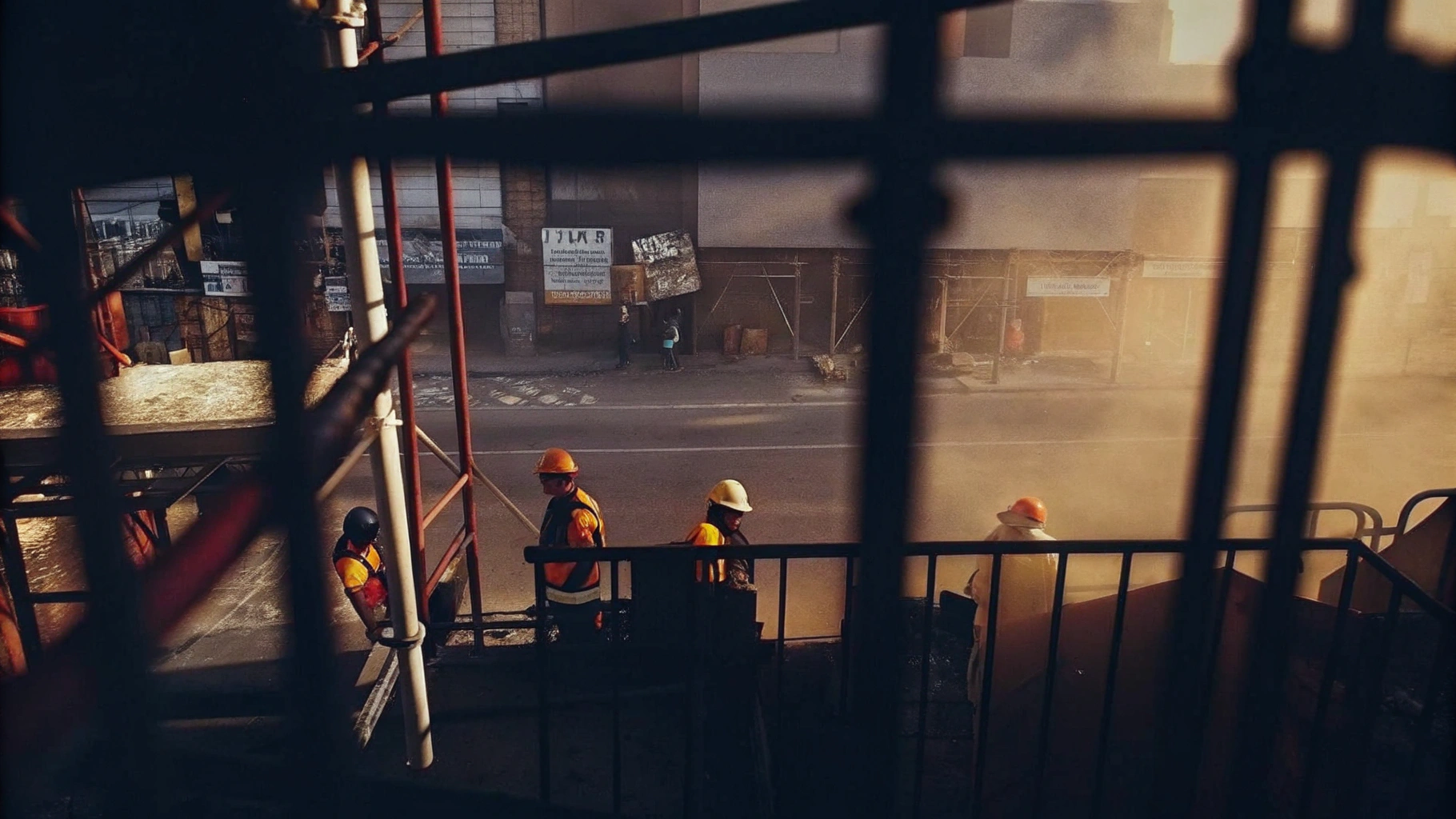
Personal protective equipment (PPE) is the physical safety gear — hard hats, protective goggles, gloves, high-visibility clothing and steel-toed boots — that shields workers from the specific hazards identified in the site risk assessment. Selecting the right PPE for the task at hand, rather than issuing generic kit across the board, is what turns PPE from a compliance checkbox into a genuine reduction in injury risk. Core PPE for most construction sites includes:
- Hard hats
- Protective goggles
- Gloves
- High-visibility clothing
- Steel-toed boots
Ensuring all PPE is fit for purpose and correctly matched to the task is not merely a regulatory expectation under UK health and safety law; it is essential to the personal protection of the people performing that task. A glove rated for chemical handling is not the same as one rated for cut resistance, and issuing the wrong one can create a false sense of security.
Regular training sessions are vital for educating employees on the proper use, fitting and upkeep of their PPE. Neglecting this aspect can lead to significant operational risks, including higher injury rates and the costs — both human and financial — that follow. Routine inspections of PPE should be scheduled to identify wear and tear before it compromises protection, keeping all equipment effective against the hazards it was chosen for. The lesson is clear: early investment in the right PPE, paired with proper training, enhances safety and contributes to long-term business resilience.
How Do Construction Sites Comply with Safety Regulations and Standards?
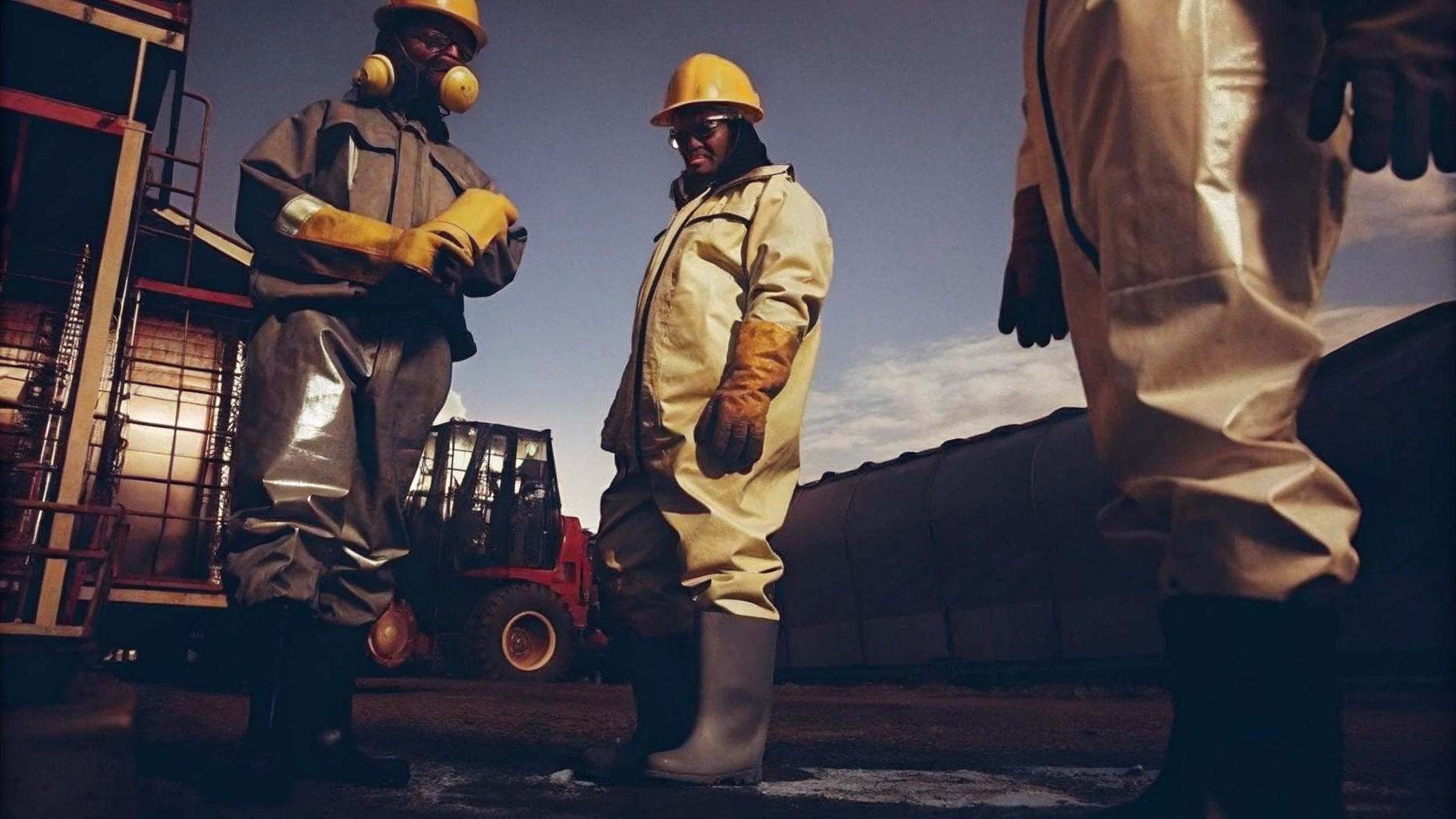
UK construction sites achieve compliance by meeting the duties set out in the Health and Safety at Work etc. Act 1974 and the Construction (Design and Management) Regulations 2015 (CDM 2015), and by following guidance published by the Health and Safety Executive (HSE), the UK's workplace safety regulator. This means keeping up to date with sector-specific guidance — including fire door safety and compliance requirements on live sites — and maintaining the paperwork to prove it, since HSE inspectors can request evidence of risk assessments, training records and incident logs at any time.
Priority First's customised security services, including key holding, CCTV surveillance, and site protection, support security at building sites such as mixed-use developments with residential and commercial tenants sharing space with an active build — the kind of site found along stretches of Chelsea and Knightsbridge in prime central London, where Priority First holds 28 of its 37 documented client contracts. By effectively managing logistics and providing facilities management, a coordinated security and facilities approach helps operations run smoothly, reducing the risks that come with mixed tenant types and busy foot traffic around an active site — a challenge covered in more depth in this guide to residential estate management in prime London.
Regular compliance audits and training sessions, alongside monitoring HSE and gov.uk updates such as reforms to the Building Safety Regulator, are essential to reinforcing adherence among workers as regulations evolve. Consistent, documented compliance — regular audits, refreshed training, clear record-keeping — is what site managers point to when demonstrating a safety culture to HSE inspectors, insurers or clients.
Maintaining precise records of training, incidents, and inspections is vital for demonstrating compliance and identifying areas for improvement. This documentation not only supports regulatory compliance but also builds a culture of security and accountability across the site. Prioritising personal protection is not merely a legal obligation under the Health and Safety at Work etc. Act 1974; it is an ethical responsibility that safeguards both employees and the integrity of the project.
By cultivating a robust security culture and adhering to CDM 2015 and HSE guidance, project managers can significantly enhance personal protection for their workforce, ensuring that security remains central to operations rather than an afterthought. Enforcement action brought by the HSE against individual site managers and companies for safety failings is a reminder of the consequences of non-compliance, and of the ongoing need for vigilance.

How Does Technology Improve Personal Protection on Construction Sites?
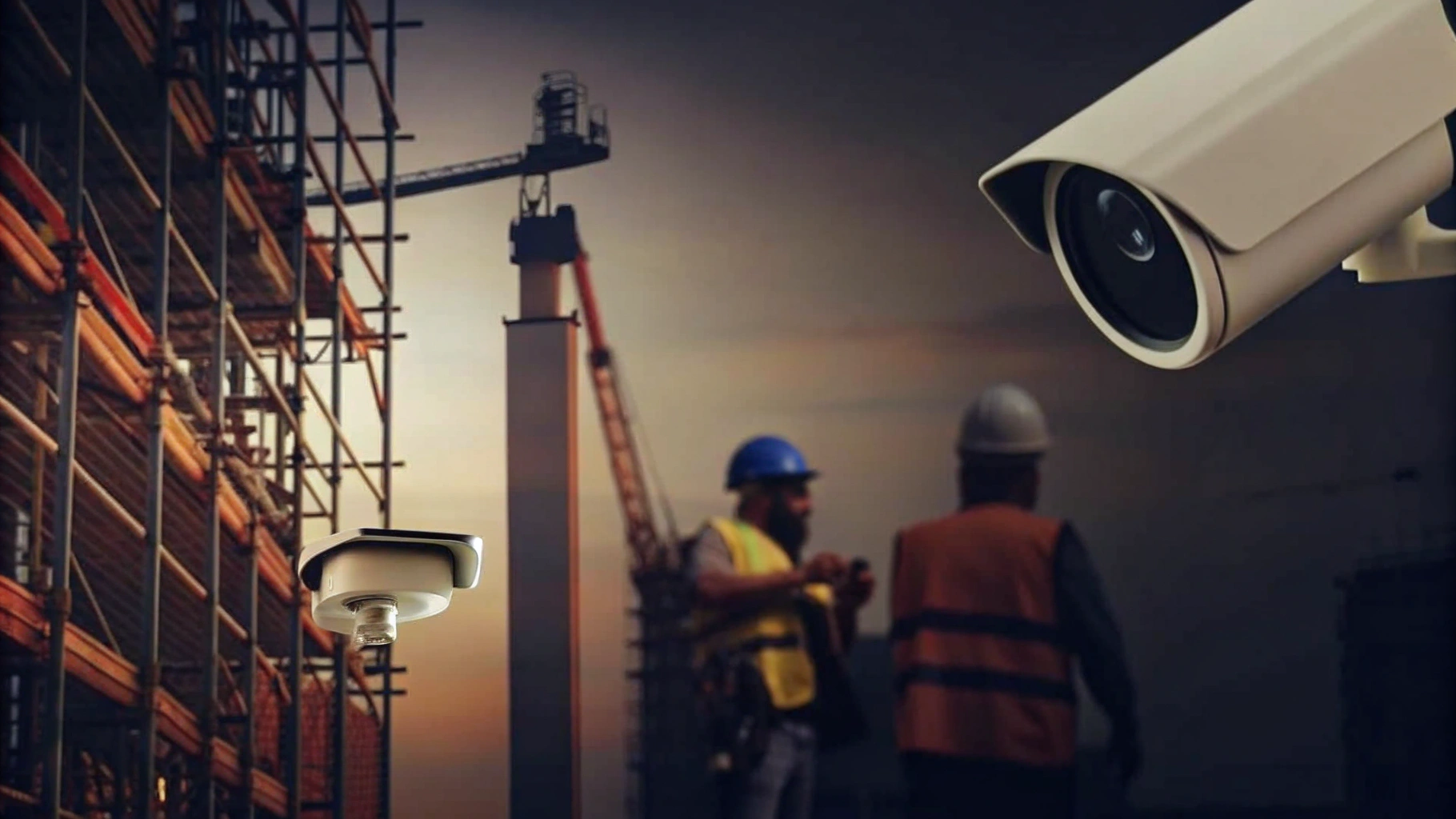
Technology improves personal protection on construction sites by extending monitoring beyond what physical patrols alone can achieve — deterring unauthorised access, tracking site activity in real time, and creating a verifiable record that a paper-based system cannot match. The three technologies most relevant to construction site protection are:
- High-Volume Monitoring (HVM) — physical and procedural measures that manage large volumes of people, vehicles and deliveries moving through a site perimeter
- Intelligent CCTV monitoring — camera systems, sometimes AI-assisted, that flag unusual activity for review
- Manned guarding — SIA-licensed officers physically present on site to deter, respond to and document incidents, similar to the approach detailed in this guide to manned guarding in central London
Together, these measures deter unauthorised access while monitoring site activity around the clock, including outside working hours when a construction site is most vulnerable to theft of plant, materials and tools. HVM measures support the efficient management of large volumes of people and vehicle movements, helping ensure potential threats are identified and addressed promptly rather than discovered after the fact. Mobile apps for safety reporting and incident tracking streamline communication between site staff and management, improving response times when something does go wrong. Training workers to use these tools effectively strengthens their personal protection day to day, not just on paper. By embracing this combined approach to security, construction managers can build a safer, more accountable working environment, ultimately supporting better project outcomes.
One practical gap technology closes is proof: a patrol log that simply says "checked" tells you nothing if something goes wrong later, whereas a photo-backed patrol — where every checkpoint requires a timestamped, GPS-tagged photo to register as complete — turns a routine walk-round into evidence. Priority First applies this standard across its largest portfolio, where more than 4,900 photo-backed patrols have been completed, each carrying officer ID, GPS location and a timestamp. This same principle underpins good practice in multi-property night patrol management for managing agents overseeing several sites at once.
Your Construction Site Personal Protection Checklist
- Complete a documented risk assessment covering both physical hazards and security threats before work begins, and review it at each major project phase.
- Consult workers directly and review past incident reports as part of identifying site-specific risks, not just a desk-based review.
- Match PPE to the specific task and hazard — hard hats, goggles, gloves, high-visibility clothing and steel-toed boots as a baseline — rather than issuing generic kit.
- Schedule regular PPE inspections to catch wear and tear before it compromises protection.
- Deliver refresher training on PPE use, safety reporting apps, and site procedures on a recurring basis, not just at induction.
- Maintain accurate, dated records of training, inspections and incidents to demonstrate compliance with the Health and Safety at Work etc. Act 1974 and CDM 2015.
- Deploy CCTV monitoring and/or manned guarding to extend protection outside working hours, when sites are most exposed to theft and unauthorised access.
- Choose monitoring systems that produce a verifiable record — timestamped, photo-backed patrol logs rather than a simple tick-box sheet — so gaps in coverage are visible rather than hidden.
Conclusion
In the pursuit of safeguarding personnel on construction sites, implementing these best practices is essential. Identifying key risks, selecting appropriate PPE, ensuring compliance with safety regulations, and leveraging technology to enhance safety and security are the four critical components covered above. Each plays a distinct role in creating a safer working environment, ultimately protecting both workers and the integrity of construction projects.
The necessity of thorough risk assessment cannot be overstated; it is the foundation every other protection strategy should be built on. Selecting task-appropriate PPE, conducting regular training, and adhering to CDM 2015 and HSE guidance are not merely regulatory obligations but ethical imperatives that reduce the likelihood of incidents. Integrating technologies such as intelligent CCTV monitoring, manned guarding and mobile incident-reporting apps further strengthens security measures, enabling real-time responses to potential threats rather than after-the-fact discovery.
Reflecting on these practices highlights the broader importance of prioritising personal protection in the construction industry. By committing to these strategies, construction managers fulfil their legal responsibilities while fostering a genuine culture of safety and accountability. As the industry evolves through 2026 and beyond, staying informed about the latest safety trends and technologies remains essential for mitigating risk and protecting the well-being of everyone on site. Embracing these best practices is not just a recommendation — it is a starting point for every stakeholder in the construction sector to invest in a safer working environment.
How Priority First Supports Personal Protection on Construction Sites
Getting risk assessment, PPE, compliance and technology right on paper is one thing; proving it happened on a live, changing construction site is another. Priority First combines SIA-licensed manned guarding, CCTV monitoring and construction site security with the wider facilities management oversight covered in this guide to choosing a facilities management company in London, so that personal protection measures are documented, not just described. Where a site also needs a dedicated protection officer for a principal or high-profile visitor, this guide to hiring a close protection officer in London covers that separate service.
On one mixed-use development the company services, checkpoint completion moved from 0% photo-backed to 100% — 152 photographed checkpoints across the site, every one requiring a watermarked photo with officer ID, GPS and timestamp before it can register as complete. That is the kind of evidence that turns "we did a patrol" into a record a site manager, insurer or HSE inspector can actually check.
If your construction site needs manned guarding, CCTV monitoring, key holding or a wider facilities and security partner who can bring a new site live in as little as a few days, get in touch with Priority First for a tailored quote.
Frequently Asked Questions
What are the main risks associated with construction environments?
Construction environments carry two main risk categories: physical injuries from falls, equipment accidents, and exposure to harmful substances, alongside security threats such as theft and vandalism. Both need to be addressed in the same site risk assessment, since gaps in one often create gaps in the other.
Why is a risk assessment important in construction?
A risk assessment is essential because it identifies the specific hazards present on a given site, which then allows managers to tailor personal protection strategies rather than applying a generic approach. Without it, PPE choices, training and security measures are effectively guesswork.
How can construction managers identify risks on site?
Construction managers identify risks through site inspections, direct discussions with employees doing the work, and reviews of past incident reports. Combining all three gives a more accurate picture than any one method alone.
What are the consequences of ignoring risks in construction?
Ignoring risks can lead to significant financial, operational, and reputational consequences for the business, ranging from HSE enforcement action to project delays and damaged client relationships. It can also result in preventable harm to workers.
What solution does Priority First offer for construction site risks?
Priority First provides manned guarding, CCTV monitoring, key holding and site logistics management designed around early investment in security, on the basis that preventing incidents is more cost-effective than dealing with their aftermath. Priority First documents this work with photo-backed, timestamped patrol records rather than relying on paper sign-off sheets.


