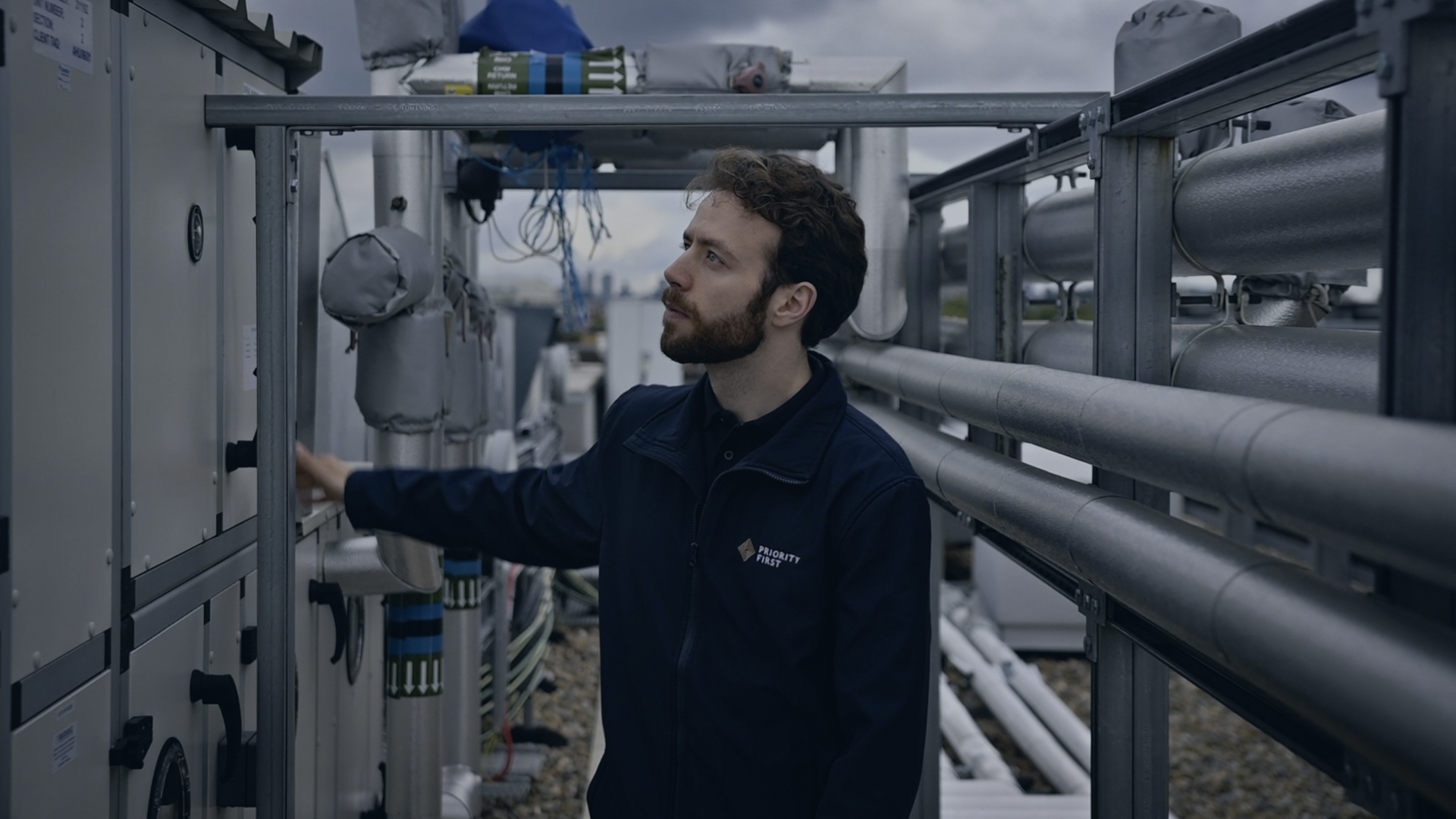
10 Reasons Motion Sensor CCTV Cameras Boost Construction Site Security


Last updated: 3 August 2026
Introduction
Motion sensor CCTV cameras enhance construction site security by providing continuous surveillance, immediate threat detection, and visual evidence that deters theft and vandalism—construction theft costs UK businesses over £1 million weekly, making robust security measures essential for protecting valuable equipment, maintaining operational continuity, and preventing financial losses that can derail project timelines.
Key Takeaways
- Motion sensor CCTV cameras trigger alerts within 1-2 seconds of detecting unauthorised activity, enabling site managers to respond immediately to potential threats and reducing safety incidents by up to 44% according to recent project data.
- AI-driven false alarm reduction reaches 90%, allowing security teams to focus on genuine threats rather than benign movements from animals or environmental changes.
- Remote monitoring reduces on-site personnel costs by up to 80% while maintaining comprehensive surveillance coverage, and proactive surveillance decreases theft-related insurance claims by 30-50%.
- High-definition footage provides crucial evidence for incident investigations and compliance audits, supporting prosecutions and ensuring accountability across construction sites.
- 24/7 monitoring with real-time alerts creates a proactive security posture that prevents greater losses, with some sites reporting zero break-ins after implementation.
The construction industry faces significant security challenges, with theft and vandalism costing businesses over £1 million weekly in the UK. For construction managers, neglecting security can lead to substantial financial losses, operational disruptions, and reputational damage.
In this context, the integration of motion sensor CCTV cameras emerges as a practical solution. These systems not only enhance surveillance but also provide immediate threat detection, allowing for swift responses to incidents. However, with a plethora of options available, how can construction managers ensure they are making the right investment to protect their assets and maintain site safety?
This article explores ten compelling reasons why motion sensor CCTV cameras are essential for bolstering security on construction sites. By highlighting their benefits and addressing common concerns, we aim to provide a clear understanding of how these systems can contribute to business resilience. Early investment in effective security measures can prevent greater losses down the line, making it a strategic priority for any construction project.
How Do Motion Sensor CCTV Cameras Enhance Construction Site Security?
Motion sensor CCTV cameras enhance construction site security by employing advanced motion detection technology to monitor activity continuously, ensuring unauthorised access is swiftly identified and managed—these systems integrate with access control and alarms to create a comprehensive safety network that protects valuable equipment and materials while providing essential visual documentation for incident investigations. The integration of AI with motion sensor technology is shifting construction site security from a reactive to a proactive stance, with immediate alerts triggered within 1-2 seconds of a violation, empowering site managers to respond quickly to suspicious behaviour and enhance overall safety and compliance.
The presence of a motion sensor CCTV camera not only deters potential thieves but also provides essential visual documentation of incidents. This documentation is crucial for resolving disputes and ensuring accountability among workers. Industry reports indicate that jobsite surveillance cameras can significantly reduce the likelihood of theft, with recorded footage aiding in the recovery of stolen items and the identification of culprits.
For instance, a recent installation of motion sensor surveillance cameras at a coastal bridge project led to a 44% reduction in safety incidents over six months, underscoring the effectiveness of real-time monitoring. As construction sites often face inherent vulnerabilities due to their exposed designs and valuable assets, strategically installing motion sensor CCTV cameras is vital for protecting investments and maintaining operational integrity.
In practice, early investment in robust security measures can prevent greater losses down the line. By prioritising security, businesses not only safeguard their assets but also enhance their overall resilience in a competitive market.
Why Are Real-Time Alerts Critical for Construction Site Safety?
Real-time alerts are critical for construction site safety because they deliver immediate notifications to site managers and security personnel the moment motion is detected, enabling rapid responses to potential threats before situations escalate—delays in addressing safety issues can lead to significant financial losses, while prompt notifications have been shown to significantly enhance response times and create a multi-layered security strategy when combined with surveillance cameras and alarm systems. Construction managers who act promptly can effectively mitigate risks, ensuring the safety of their sites and protecting valuable investments.
For instance, prompt notifications allow teams to intervene before situations escalate. In practice, combining surveillance cameras, alarm systems, and motion sensor CCTV cameras creates a multi-layered security strategy that bolsters overall site safety. Comprehensive video surveillance monitoring services, available 24/7, ensure that properties are consistently monitored, thereby increasing the efficiency of motion sensor CCTV camera systems.
Testimonials from construction site managers underscore the transformative impact of these systems, with many noting that timely notifications have led to a marked decrease in theft and vandalism, ultimately fostering a more secure working environment. Furthermore, AI analytics enhance the effectiveness of motion sensor CCTV cameras by improving situational awareness and enabling proactive threat detection. The lesson is clear: investing in robust security measures now can prevent greater losses in the future.
How Do Motion Sensor CCTV Cameras Minimize False Alarms?
Motion sensor CCTV cameras minimize false alarms by accurately distinguishing between genuine threats and benign movements such as animals or environmental changes, achieving false alarm reduction rates of up to 90% through AI-driven video analysis—this capability is crucial for construction sites where false alarms can lead to complacency among personnel, delayed responses to actual threats, and wasted resources that undermine the effectiveness of security measures. Reliable surveillance is essential for maintaining safety and operational efficiency in construction environments.
Ignoring the risk of false alarms can have significant consequences. Financially, businesses may face increased costs due to wasted resources and potential security breaches. Operationally, personnel may become desensitised to alerts, undermining the effectiveness of security measures. The lesson is clear: effective surveillance is not just a precaution; it's a necessity for business continuity.
AI-driven video analysis allows teams to focus on actionable alerts rather than being overwhelmed by non-threatening notifications. In practice, the use of motion sensor CCTV cameras enhances the effectiveness of security operations and fosters a proactive approach to site safety, ensuring genuine threats are addressed promptly.
Investing in reliable security measures early on prevents greater losses later. Security is not an expense; it is an investment in business resilience.
What Role Does AI Integration Play in Construction Site Security?
AI integration plays a transformative role in construction site security by assessing video feeds in real-time to enable prompt recognition of suspicious behaviour, automatically alerting personnel before incidents escalate—AI-powered surveillance can detect when a worker has fallen and immediately alert emergency contacts, while achieving over 90% accuracy in incident detection and optimising resource allocation so managers can focus on areas that truly require attention. Construction theft alone costs UK businesses over £1 million a week, underscoring the critical need for robust security measures.
This proactive strategy not only strengthens security with motion sensor CCTV cameras but also optimises resource allocation, enabling managers to focus on areas that truly require attention. With AI surveillance systems achieving over 90% accuracy in incident detection, the effectiveness of these tools in identifying potential threats is clear. Furthermore, the incorporation of machine learning enhances their capabilities over time, ensuring that construction sites remain secure and compliant with safety protocols and local privacy regulations.
By leveraging such technology, including IoT sensors and drones for comprehensive coverage, construction managers can reduce operational costs while enhancing site safety and efficiency. Integrating these services with existing protection systems offers tailored solutions that improve current setups through technical assistance, routine updates, and ongoing optimization. The lesson is clear: early investment in security measures prevents greater losses later.
How Cost-Effective Are Motion Sensor CCTV Cameras for Construction Sites?
Motion sensor CCTV cameras are highly cost-effective for construction sites, reducing the need for numerous on-site personnel and cutting operational costs associated with traditional guarding methods by up to 80% through remote monitoring—these systems prevent an estimated £800 million in yearly losses from theft and damage while decreasing theft-related insurance claims by 30-50%, with some sites reporting zero break-ins and uninterrupted project timelines after implementation. Remote monitoring enhances security management and offers effective surveillance capabilities that protect the financial interests of building projects.
Ignoring the risk of theft and damage can have dire consequences; construction projects face an estimated £800 million in yearly losses due to these issues. By preventing such losses, motion sensor CCTV cameras protect the financial interests of building projects. Furthermore, proactive surveillance has been shown to decrease theft-related insurance claims by 30-50%, underscoring the financial benefits of these investments.
In practice, construction sites that implement monitored CCTV systems report zero break-ins, resulting in significant savings and uninterrupted project timelines. Combining surveillance monitoring services with existing protection systems improves overall safety arrangements. As one Project Manager noted, "The capability to visually oversee our location has changed how we communicate; we can resolve problems in real-time, which keeps our projects on schedule."
The lesson is clear: incorporating motion sensor CCTV cameras as part of surveillance systems not only enhances safety but also supports the financial feasibility and success of building projects. Early investment in such systems can prevent greater losses down the line.
What Makes Motion Sensor CCTV Cameras Easy to Install and Maintain?
Motion sensor CCTV cameras are easy to install and maintain because they are designed for quick deployment without requiring extensive technical expertise, allowing businesses to implement effective security measures immediately—minimal ongoing maintenance enables managers to concentrate on core responsibilities without the distraction of complex security systems, while comprehensive 24/7 monitoring services with real-time threat detection and seamless integration with existing safety protocols ensure constant surveillance. Construction supervisors have noted that the rapid deployment of these systems not only enhances safety but also boosts overall project efficiency.
Unlike traditional security measures, which often involve complicated installation and upkeep, motion sensor CCTV cameras present a cost-effective alternative that reduces long-term expenses while providing robust protection against theft and vandalism. According to the BCA, these systems can reduce theft by 74%, underscoring their effectiveness in safeguarding valuable assets.
With comprehensive surveillance monitoring services available 24/7, featuring real-time threat detection and seamless integration with existing safety protocols, managers can rest assured that their premises are under constant surveillance. This allows them to focus on their primary duties while ensuring a secure environment. Investing in such security measures early on is not merely a precaution; it is a strategic decision that prevents greater losses in the future.
How Do Motion Sensor CCTV Cameras Adapt to Different Site Layouts?
Motion sensor CCTV cameras adapt to different site layouts through flexible placement that addresses diverse construction site configurations, from large developments to smaller projects—advanced motion detection technology can be integrated into mobile monitoring units for quick adjustments as site layouts change, while tailored CCTV solutions enhance safety, decrease reliance on human guards, and lead to substantial cost savings and lower insurance premiums. Whether overseeing a large development or a smaller project, these cameras can be strategically placed to monitor critical areas, ensuring comprehensive surveillance coverage.
This adaptability allows construction managers to customise security solutions that meet their specific operational requirements. This flexibility is crucial, as construction sites often face unique safety challenges, such as theft and vandalism of valuable materials. By implementing tailored CCTV solutions, managers can enhance safety while decreasing reliance on human guards, leading to substantial cost savings and lower insurance premiums.
Case studies highlight the effectiveness of customised security systems. One notable example involved a construction site that utilised motion sensing technology to detect movement in designated zones. This system triggered immediate alerts and responses, resulting in more efficient threat management and timely notifications. Another case demonstrated how incorporating motion sensors into mobile units provided scalable protection, allowing real-time adjustments to safety measures as the project evolved.
Experts stress the importance of adapting monitoring systems to meet the specific needs of construction sites. By leveraging AI-driven analytics and remote monitoring capabilities, project managers can maintain complete visibility and control over site safety, ensuring a proactive approach to safeguarding assets and personnel. This commitment to tailored security solutions not only enhances safety but also contributes to the overall efficiency of construction operations.
How Do Motion Sensor CCTV Cameras Support Safety Compliance?
Motion sensor CCTV cameras support safety compliance by enabling continuous monitoring that allows for quick identification of unsafe practices and ensures adherence to safety protocols—recorded footage becomes vital evidence for compliance audits and investigations, protecting sites from potential legal issues while promoting accountability among workers, with features like automated alerts and real-time monitoring exemplifying proactive risk management that makes safety compliance a continuous practice rather than merely a goal. Construction sites face high fatality rates associated with collisions and falls from height, making these systems crucial for upholding safety standards.
The presence of motion sensor CCTV cameras not only deters unsafe behaviour but also promotes accountability among workers. Supervisors can review footage to confirm adherence to safety regulations. Project managers have noted that the implementation of motion sensor CCTV cameras enhances safety compliance and transparency, ultimately leading to fewer accidents and a safer work environment.
The integration of high-volume monitoring (HVM) and manned guarding, coupled with features like automated alerts and real-time monitoring, exemplifies proactive risk management. This approach ensures that safety compliance is not merely a goal but a continuous practice on site. With 24/7 monitoring capabilities, properties remain under surveillance even during out-of-office hours and weekends.
Moreover, initiatives such as Safety Week 2022 underscore the importance of safety awareness and the role of technology in enhancing safety practices at building locations. The lesson is clear: investing in robust security measures today can prevent significant losses tomorrow.
Why Is High-Definition Surveillance Footage Important for Construction Sites?
High-definition surveillance footage is important for construction sites because it delivers the clarity essential for tracking project progress, ensuring compliance with safety regulations, and conducting thorough incident investigations—in cases of theft or vandalism, high-resolution video evidence significantly aids law enforcement in identifying suspects and securing prosecutions, while comprehensive monitoring footage enhances overall site protection and fosters a culture of responsibility and safety among workers. Construction theft costs UK businesses over £1 million a week, underscoring the importance of robust surveillance systems.
Ignoring the need for such detailed monitoring can have serious consequences. Financial losses from theft can escalate quickly, impacting project budgets and timelines. Moreover, operational disruptions and reputational damage can arise from inadequate security measures.
In practice, the presence of motion sensor CCTV cameras providing comprehensive monitoring footage not only enhances overall site protection but also fosters a culture of responsibility and safety among workers. This proactive approach ultimately supports the successful execution of building projects, ensuring that businesses can safeguard their assets effectively and maintain operational continuity.
How Does 24/7 Monitoring Provide Peace of Mind?
24/7 monitoring provides peace of mind by ensuring construction sites are under constant observation with advanced technology that deters crime and facilitates real-time threat detection for immediate response to unusual activity—with theft costing UK businesses over £1 million weekly, continuous surveillance allows managers to concentrate on core responsibilities without constant worry of potential security breaches, while tailored security solutions enable proactive steps to protect assets and ensure workforce safety. Construction managers can feel confident knowing their site is under constant observation.
With theft costing UK businesses over £1 million a week, the need for robust security measures is clear. The implications of ignoring such risks can be significant, leading to financial losses, operational disruptions, and reputational damage.
This advanced technology, including motion sensor CCTV cameras, not only deters crime but also facilitates real-time threat detection, ensuring an immediate response to any unusual activity. In practice, this means that construction sites can operate more smoothly, with less downtime due to security incidents.
With tailored security solutions, managers can feel confident that they are taking proactive steps to protect their assets and ensure the safety of their workforce. The lesson is clear: investing in security now prevents greater losses later, reinforcing the importance of viewing security as a critical component of business resilience.
Conclusion
Integrating motion sensor CCTV cameras into construction site security is not merely a trend; it is a necessity for safeguarding valuable assets and ensuring operational integrity. These advanced systems provide continuous surveillance, immediate alerts, and a proactive approach to managing security threats, fundamentally changing how construction sites maintain safety and compliance.
Theft and vandalism are significant challenges in the construction industry, costing UK businesses over £1 million a week. By minimising these risks, motion sensor CCTV cameras not only protect assets but also enhance real-time threat detection and reduce false alarms. The integration of AI-driven tools further amplifies their effectiveness, enabling site managers to respond swiftly to any suspicious activity while ensuring compliance with safety regulations.
The importance of investing in robust security measures cannot be overstated. By prioritising the installation of motion sensor CCTV cameras, construction managers foster a safer working environment for their teams and protect their investments. The cost-effectiveness of these systems, coupled with their easy installation and adaptability to various site layouts, reinforces their value in the construction industry.
In practice, embracing these advanced security solutions is essential for maintaining resilience and achieving project success. Early investment in security measures not only prevents greater losses later but also positions construction firms as leaders in safety and compliance. As the construction landscape continues to evolve, the lesson is clear: prioritising security is not an expense; it is a commitment to business continuity.
Protecting Construction Sites with Integrated Security and Facilities Management
Construction sites face unique security challenges—exposed perimeters, valuable equipment, and round-the-clock activity create vulnerabilities that motion sensor CCTV cameras address through continuous surveillance and immediate threat detection. Priority First brings a comprehensive approach to construction site protection, combining SIA-licensed manned guarding, advanced CCTV monitoring, key holding and alarm response, and vacant property services under one accountable partner. With headquarters in Mayfair and operations across prime central London and nationwide, Priority First secures commercial and residential properties with integrated security and facilities management services that adapt to the specific demands of construction environments. If you're looking to protect your construction site with a security solution that combines technology with on-the-ground expertise, get in touch with Priority First for a tailored quote.
Frequently Asked Questions
What is the purpose of motion sensor CCTV camera systems for construction sites?
Motion sensor CCTV camera systems enhance security in construction projects by providing continuous surveillance and employing advanced motion detection technology to monitor activity, ensuring unauthorised access is quickly identified and managed while creating a comprehensive safety network when integrated with access control and alarms.
How does the integration of AI with motion sensor technology benefit construction site security?
The integration of AI shifts construction site security from reactive to proactive by providing immediate alerts within 1-2 seconds of a violation, allowing site managers to respond quickly to suspicious behaviour—AI-powered surveillance achieves over 90% accuracy in incident detection and can automatically alert emergency contacts when workers fall or other safety incidents occur.
What impact has motion sensor CCTV surveillance had on safety incidents in construction?
A recent installation at a coastal bridge project resulted in a 44% reduction in safety incidents over six months, demonstrating the effectiveness of real-time monitoring—motion sensor CCTV cameras provide visual documentation crucial for resolving disputes and ensuring accountability among workers.
How do motion sensor CCTV cameras deter theft and vandalism?
The presence of these cameras deters potential thieves through visible surveillance and provides essential visual documentation of incidents, with recorded footage aiding in the recovery of stolen items and the identification of culprits—industry reports indicate that jobsite surveillance cameras can significantly reduce the likelihood of theft.
Why is early investment in security measures important for construction businesses?
Early investment in robust security can prevent greater losses in the future, safeguarding assets and enhancing overall resilience in a competitive market—construction theft costs UK businesses over £1 million weekly, making proactive security measures a strategic priority rather than an optional expense.
What role do real-time alerts play in construction site safety?
Real-time alerts notify site managers and security personnel immediately when motion is detected, enabling rapid responses to potential threats and mitigating risks effectively—prompt notifications have been shown to significantly enhance response times, allowing teams to intervene before situations escalate.
How do motion sensor CCTV cameras minimise false alarms?
Motion sensor CCTV cameras accurately distinguish between genuine threats and benign movements such as animals or environmental changes—AI-driven video analysis achieves false alarm reduction rates of up to 90%, allowing teams to focus on actionable alerts rather than being overwhelmed by non-threatening notifications.
What are the consequences of ignoring the risk of false alarms?
Ignoring false alarms can lead to increased costs due to wasted resources, potential security breaches, and personnel becoming desensitised to alerts, undermining the effectiveness of security measures—reliable surveillance is essential for maintaining safety and operational efficiency.
What false alarm reduction rates can be achieved with AI-driven technology?
AI-driven video analysis can achieve false alarm reduction rates of up to 90%, allowing security teams to focus on genuine threats and enhancing the effectiveness of security operations with a proactive approach to site safety.
How cost-effective are motion sensor CCTV cameras compared to traditional security methods?
Motion sensor CCTV cameras reduce operational costs associated with traditional guarding methods by up to 80% through remote monitoring, while preventing an estimated £800 million in yearly losses from theft and damage—proactive surveillance decreases theft-related insurance claims by 30-50%.