


10 Essential Business Security Services for Construction Sites


Last updated: 15 July 2026
Quick Answer
UK construction sites lose over £800 million annually to theft and vandalism, making comprehensive security essential. Ten proven services—CCTV monitoring, access control systems, alarm response, SIA-licensed on-site personnel, risk assessments, AI-driven tools, canine patrols, health and safety compliance, key holding, and holistic security planning—work together to deter crime, ensure regulatory compliance, and protect both assets and personnel throughout the project lifecycle.
Key Takeaways
- Construction theft costs UK businesses over £1 million per week, with more than 51% of builders reporting tool theft in 2023, underscoring the urgent need for robust protective measures.
- CCTV monitoring and access control systems provide continuous surveillance and restrict site entry to authorised personnel, cutting theft and vandalism incidents by up to 30% when combined with regular patrols.
- On-site SIA-licensed security personnel and 24/7 alarm response deliver immediate incident response and visible deterrence, significantly reducing break-ins and unauthorised access.
- AI-driven analytics and trained security dogs enhance threat detection and patrol efficiency, while comprehensive risk assessments and health-and-safety integration ensure compliance with UK regulations.
- Early investment in tailored security planning prevents greater financial, operational, and reputational losses, positioning security as a strategic component of business continuity rather than a discretionary expense.
Introduction
The construction industry faces considerable security challenges that can threaten both project integrity and financial stability. With theft costing UK businesses an alarming £800 million annually, the need for comprehensive security measures is evident. This article explores ten essential security services designed specifically for construction sites, showcasing the advantages of proactive strategies that not only safeguard assets but also improve operational efficiency.
Ignoring these risks can lead to severe consequences: financial losses, operational disruptions, and reputational damage. As the industry evolves with new technologies and increasing threats in 2026, construction firms must find effective ways to protect their investments while ensuring compliance with safety regulations. The lesson is clear—security is not merely an expense; it is essential for business continuity.
What Security Challenges Do Construction Sites Face?
Construction sites in the UK confront significant threats including theft, vandalism, and unauthorised access, leading to an estimated £800 million in annual losses from theft alone. More than 51% of builders reported experiencing tool theft in 2023, underscoring the critical nature of security in maintaining project continuity. Ignoring these risks can result in severe financial, operational, and reputational consequences—from project delays and inflated costs to legal liabilities and damaged client relationships.
Effective protection requires tailored strategies: comprehensive access control systems, efficient logistics management, CCTV monitoring, and key holding. These measures not only mitigate risks but also foster a safe environment conducive to productivity. Case studies—including a multi-use complex development in Chelsea, London—demonstrate that integrated security solutions (key holding, CCTV monitoring, and logistics management) deliver significant reductions in theft and vandalism incidents. This illustrates how advanced surveillance technologies and effective logistics enhance site protection.
Customised security services are essential for safeguarding both personnel and assets. Early investment in security is not merely an expense; it is a crucial component of business continuity that prevents greater losses down the line.
How Does CCTV Monitoring Enhance Construction Site Security?
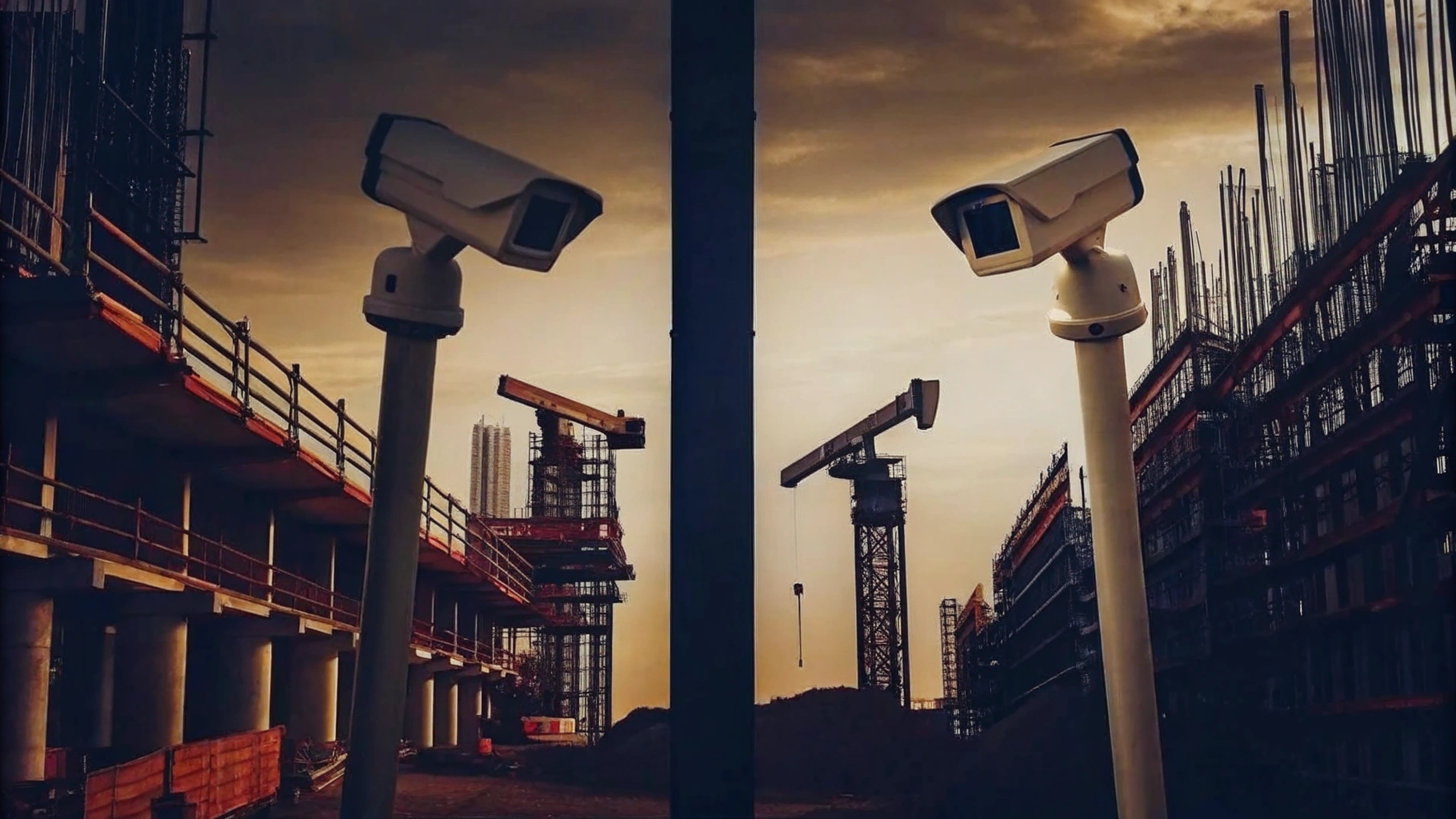
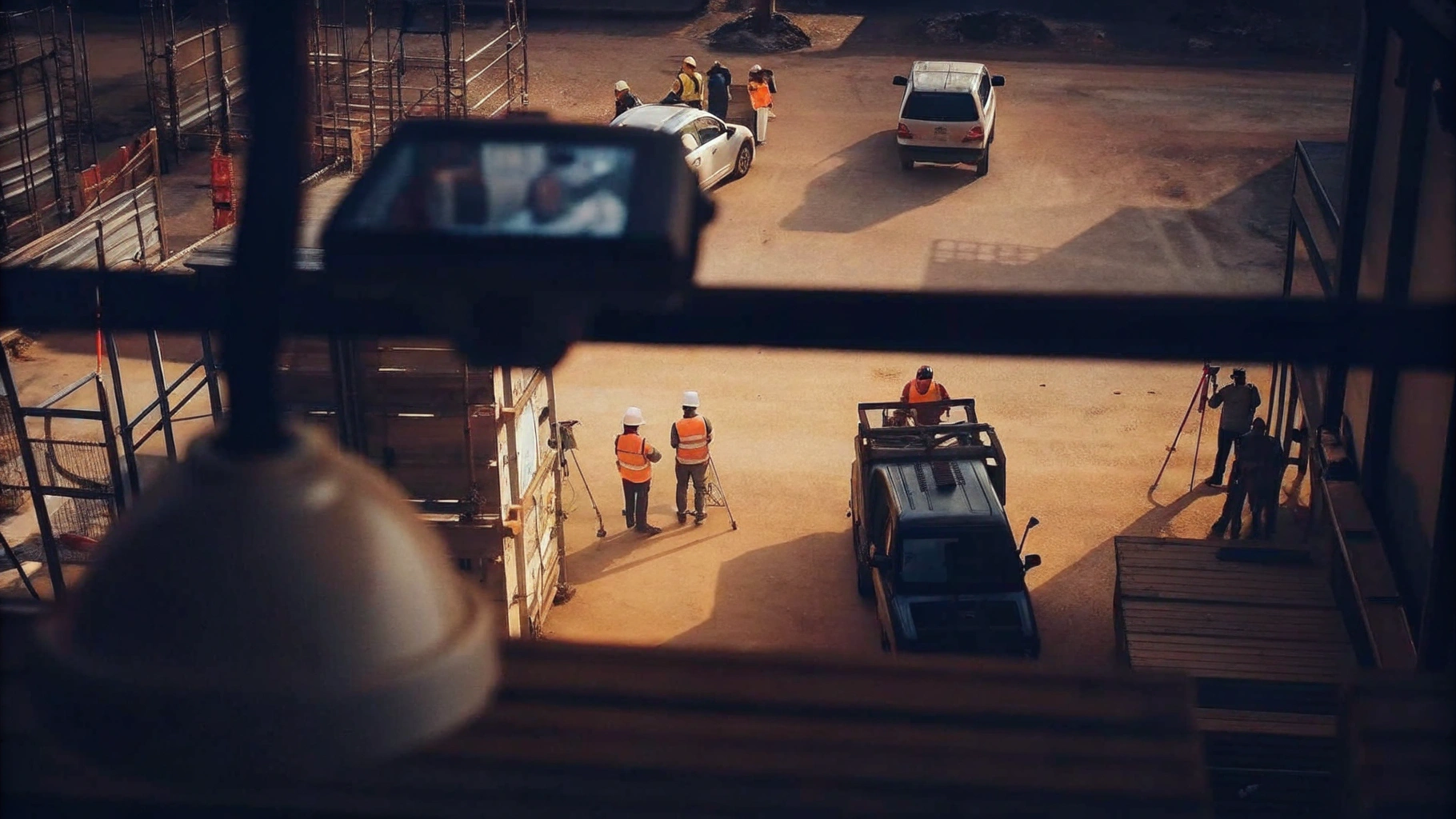
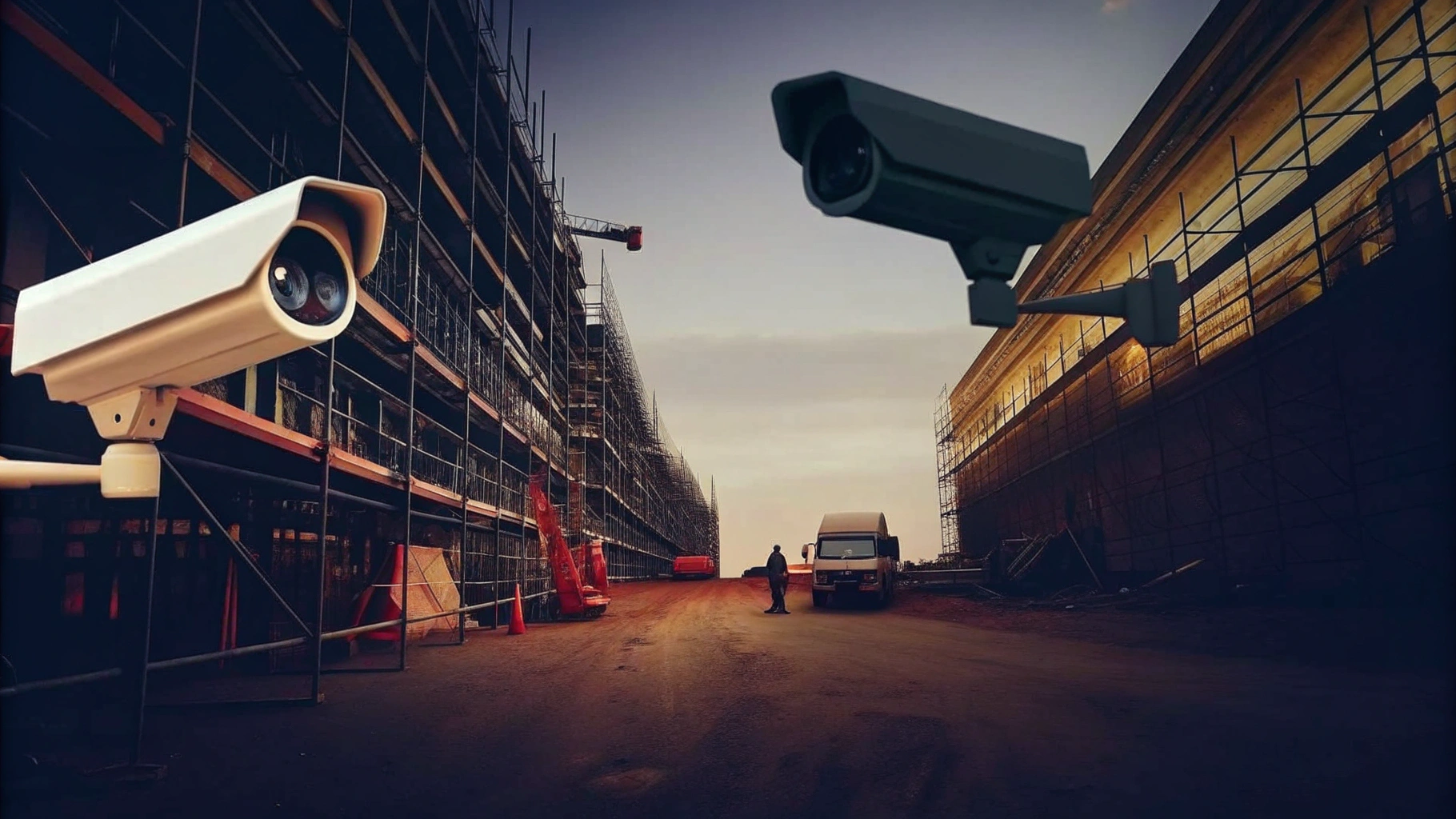
CCTV surveillance plays a vital role in ensuring safety at construction sites, offering continuous monitoring that significantly deters potential intruders and supports swift incident response. The construction industry incurs over £800 million in annual losses due to theft, underscoring the financial repercussions of inadequate security measures. Modern systems equipped with features like motion detection and remote access allow managers to oversee activities in real time, enabling immediate action against suspicious behaviour. For example, a project in Chelsea experienced zero break-ins after implementing a comprehensive CCTV system, demonstrating the effectiveness of constant monitoring.
Recorded footage serves as essential evidence during security breaches, aiding investigations and reinforcing the necessity of CCTV in safeguarding construction sites. Effective CCTV surveillance practices include conducting thorough risk assessments to pinpoint vulnerable areas, ensuring proper installation to eliminate blind spots, regularly maintaining equipment for reliability, and acknowledging the psychological deterrent effect of visible cameras. By integrating these strategies with tailored security solutions—including seamless integration with existing systems and 24/7 monitoring—project managers can enhance safety, protect valuable assets, and cultivate a safer working environment.
Why Are Access Control Systems Critical for Construction Projects?
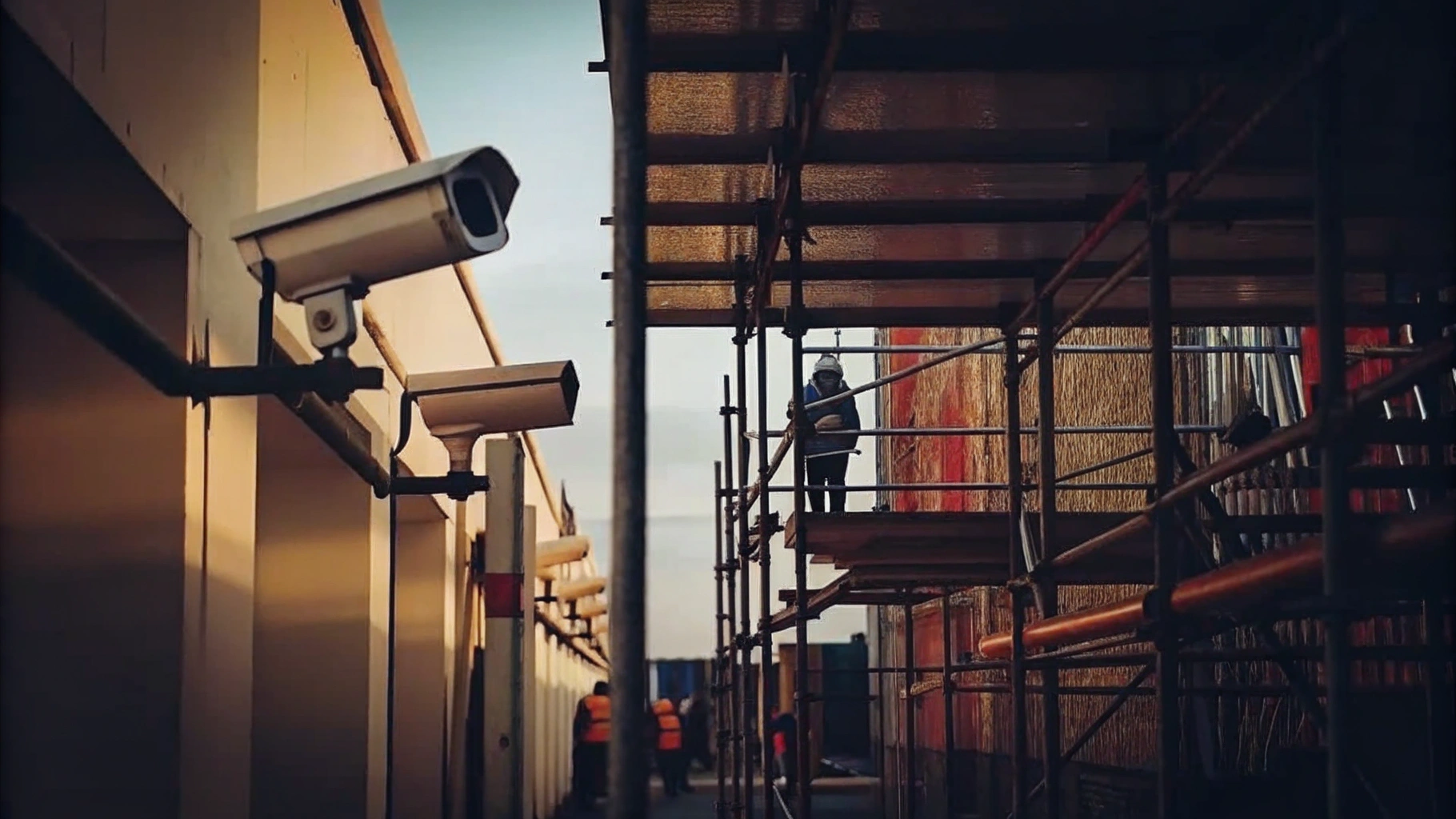
Access control systems ensure that only authorised personnel can enter construction sites, helping to prevent theft, vandalism, and safety risks while maintaining compliance with health and safety regulations. In the UK, construction theft costs businesses over £1 million each week, underscoring the need for effective entry management. Systems may include biometric scanners (fingerprints or facial recognition), keycard access, and turnstiles. By meticulously tracking entry and exit points, site managers maintain a secure environment and quickly identify any unauthorised access attempts. This proactive approach also aids in monitoring workforce attendance and compliance with safety regulations.
Biometric access control uses unique physical characteristics for identification, significantly reducing the risk of unauthorised access and streamlining entry management processes. Secure entry management is critical in construction environments, where unauthorised access can lead to theft, vandalism, and safety risks. Ignoring these risks can have severe financial, operational, and reputational consequences. Industry leaders emphasise that investing in advanced access control solutions serves not just as a precaution but as a vital strategy to protect valuable assets and ensure compliance with health and safety regulations, including the Health and Safety at Work etc Act 1974, which mandates that employers safeguard the well-being of all individuals on-site.
To implement effective access control for construction projects, assess specific project needs and integrate technology that aligns with operational requirements. This may involve a combination of biometric systems, traditional keycard access, and physical barriers—all part of a comprehensive strategy that enhances safety and operational efficiency. Additionally, incorporating video intercom systems can facilitate remote access for suppliers and contractors, further bolstering safety and efficiency.
What Role Do Alarm Response Services Play in Site Security?
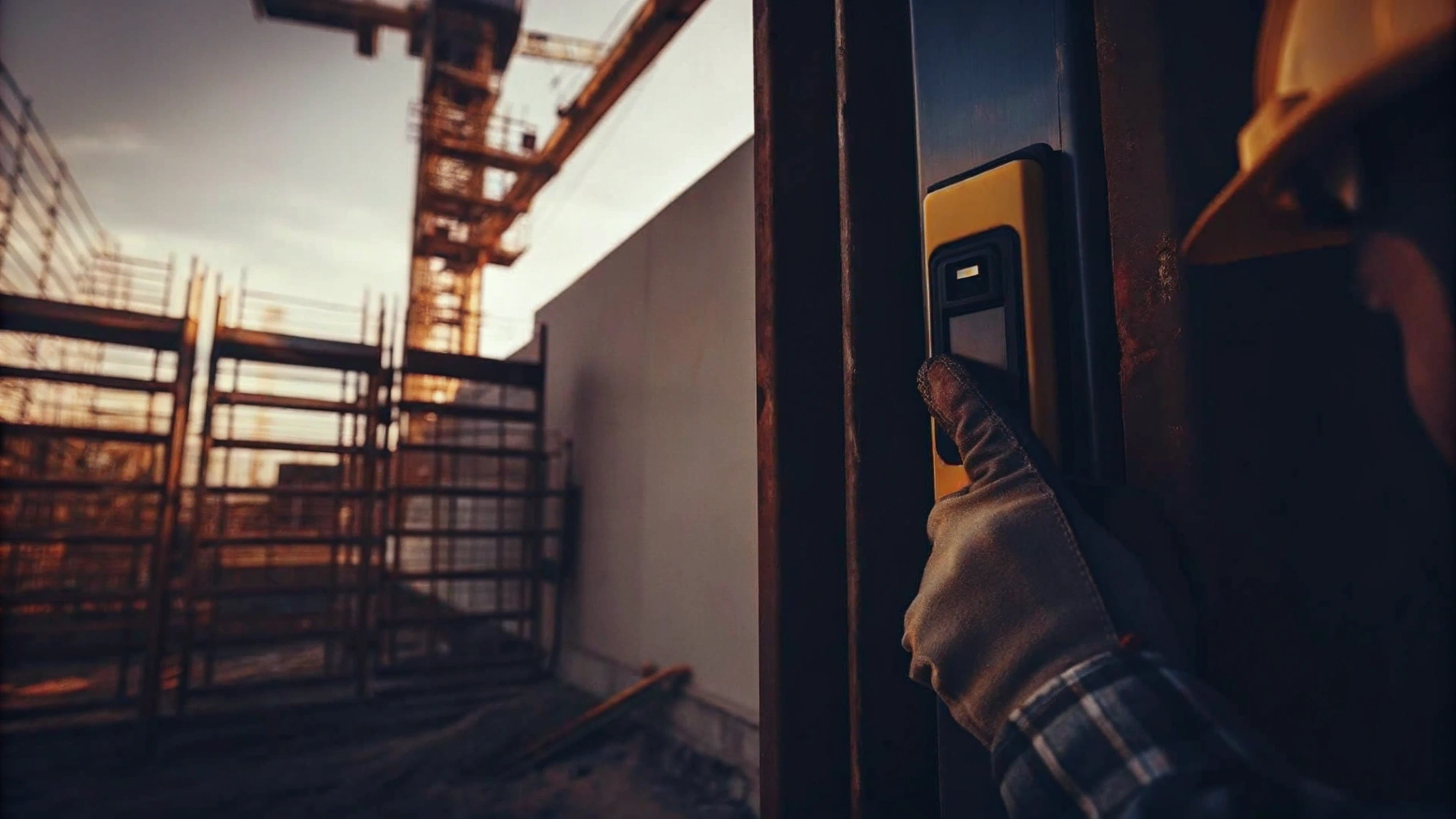
Alarm response services ensure that activated alarms are addressed swiftly, providing 24/7 availability to respond to alerts, investigate incidents, and take necessary actions to mitigate risks. Construction theft costs UK businesses over £1 million a week, making it imperative to establish a swift reaction protocol. A dedicated alarm response team can effectively thwart theft attempts—for instance, during a recent event at a construction site in London, rapid response prevented a break-in, underscoring the efficiency of these services.
By establishing a swift reaction protocol, construction sites can greatly minimise the effects of breaches, safeguarding both personnel and resources from potential danger. CCTV monitoring services provide round-the-clock surveillance, enhancing protective measures. Customised alarm response services not only bolster security but also offer peace of mind, allowing managers to focus on their primary responsibilities without the constant worry of threats. The lesson is clear: investing in security is not merely an expense; it is a vital component of business continuity that prevents greater losses in the future.
How Do On-Site Security Personnel Protect Construction Sites?
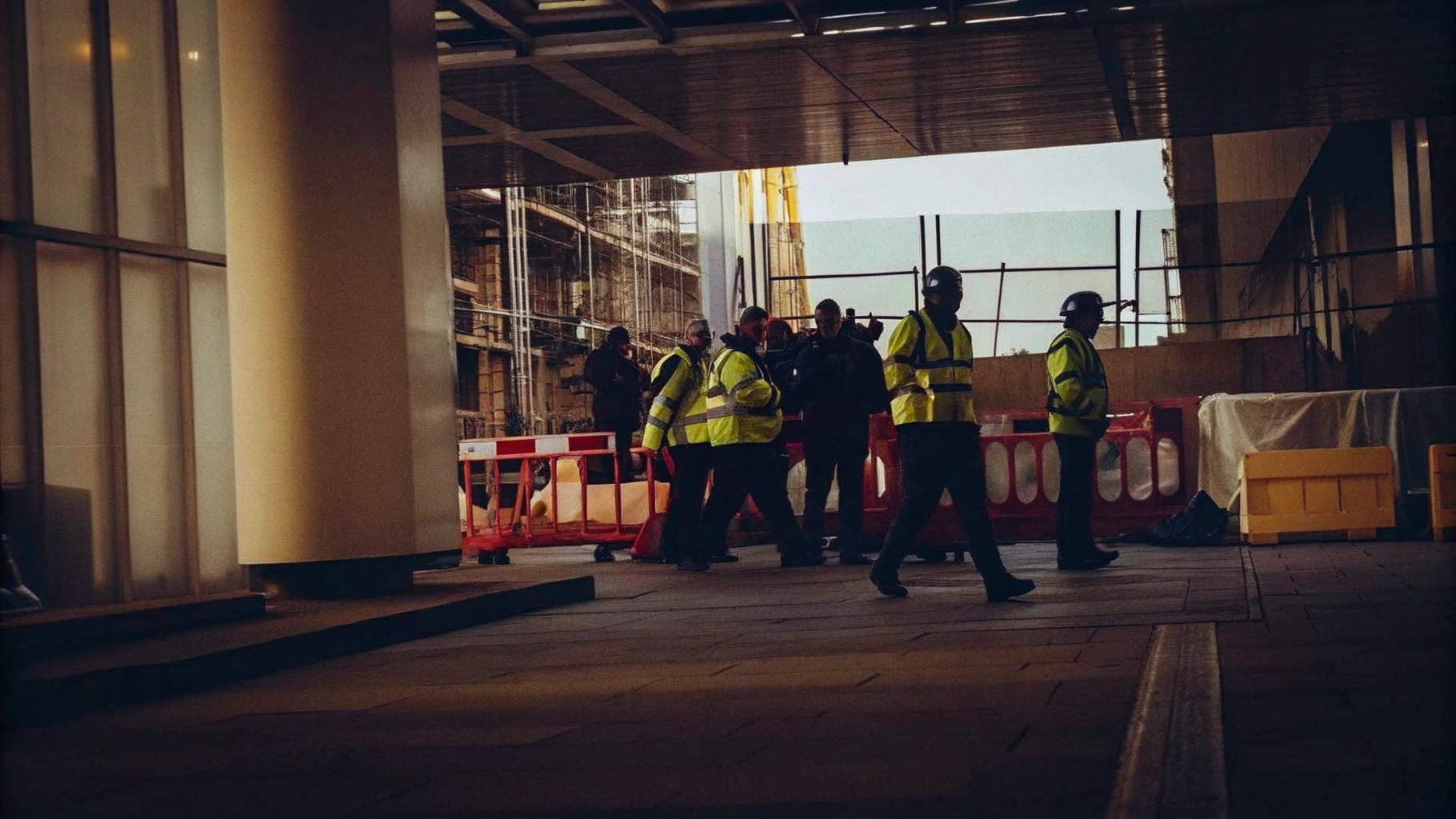
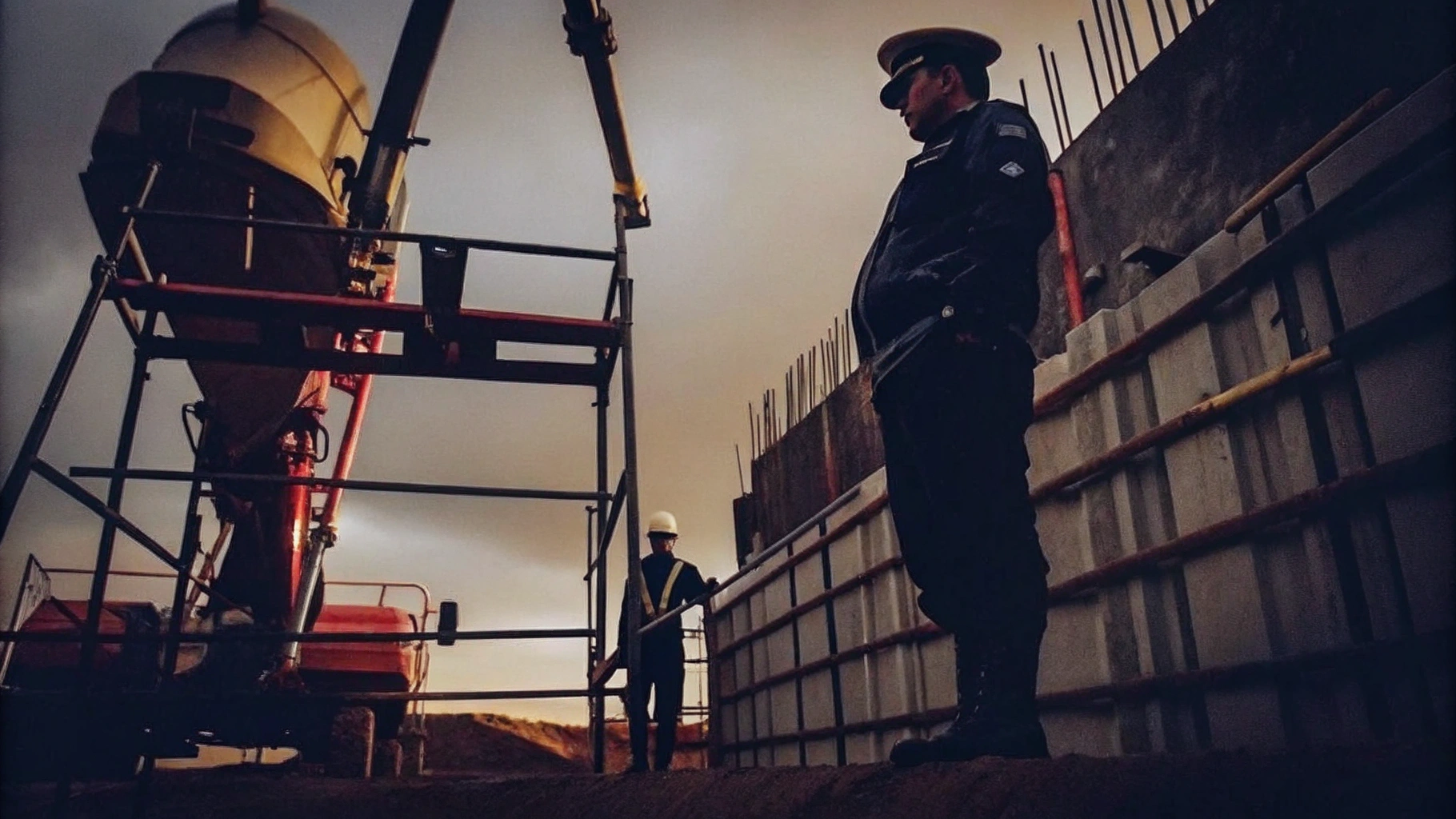
On-site security personnel provide direct protection and immediate incident response at construction sites. Their presence acts as a deterrent against criminal activity and facilitates swift action when incidents occur. Trained, individually SIA-licensed officers actively oversee site activities, enforce access control measures, and conduct regular patrols to maintain a secure environment. For instance, a recent analysis revealed that the deployment of protective staff at a high-value construction site led to a significant reduction in theft incidents, underscoring their effectiveness in safeguarding valuable assets.
These officers are crucial during emergencies, providing vital support and coordination when incidents occur. Data indicates that sites with dedicated protection staff benefit from quicker response times, which can be critical in mitigating potential damages. The presence of trained personnel not only enhances physical security but also fosters a sense of well-being among workers, contributing to improved morale and productivity.
Experts highlight that having trained professionals on-site is fundamental to reducing incidents of theft, vandalism, and workplace violence. Their ability to intervene promptly can significantly lessen harm and ensure compliance with safety regulations. As one specialist noted, "A protective presence signals that employee well-being is a priority, which boosts morale and cultivates a positive working environment." This illustrates the diverse benefits of integrating trained personnel into construction operations, particularly in addressing the unique challenges faced in these environments. Investing in security measures today can prevent greater losses tomorrow.
Why Are Risk Assessments Essential for Construction Security?
Risk assessments are crucial for ensuring robust protection at construction sites because they systematically identify vulnerabilities—such as poorly lit areas, inadequate fencing, and unguarded access points—enabling security teams to develop targeted strategies that effectively mitigate risks. For instance, routine evaluations may reveal specific regions prone to unauthorised entry, prompting the installation of additional lighting or protective fencing. Data from various studies shows that construction sites with regular risk assessments, CCTV monitoring, and regular patrols see a significant reduction in theft and vandalism incidents, with some studies indicating that these measures can reduce such incidents by up to 30%.
As construction environments evolve in 2026—particularly with increasing cybersecurity threats and the integration of advanced technology—protection protocols must adapt accordingly. Integrating comprehensive CCTV monitoring with existing protection systems ensures that all potential threats are addressed promptly. This integration process involves evaluating current systems, providing technical assistance, and implementing regular updates to enhance protective measures.
In practice, this continuous vigilance not only safeguards valuable assets but also improves overall site safety and compliance with legal standards, including the Management of Health and Safety at Work Regulations (MHSWR). Early investment in security measures prevents greater losses down the line.
How Do AI-Driven Security Tools Improve Threat Detection?
AI-driven security tools are reshaping construction site safety by enabling advanced monitoring and real-time threat detection. These technologies utilise real-time video analysis to identify suspicious behaviours, promptly alerting personnel to potential threats. Automated reporting and predictive analytics empower teams to manage risks proactively, addressing vulnerabilities before they escalate into serious incidents. Companies that have adopted AI monitoring systems report significant reductions in theft and vandalism, underscoring the effectiveness of these tools in bolstering site safety.
Integrating strategies like Hostile Vehicle Mitigation (HVM) into the protection framework is crucial. HVM employs physical measures to prevent vehicles from being weaponised, particularly relevant in crowded construction sites where mixed-use traffic can pose risks. By combining AI-driven monitoring with tailored protective solutions—such as key holding and alarm response services—project managers can ensure a comprehensive approach to risk management. This integration not only streamlines operations but also fosters a culture of safety, ultimately enhancing the overall safety posture of construction environments.
What Are the Benefits of Canine Security Services on Construction Sites?
Canine security services provide a strong deterrent against theft and vandalism on construction sites. Trained security dogs excel at monitoring areas, detecting intruders, and establishing a visible presence that discourages criminal activity. Their acute senses enable them to identify potential threats that might elude human officers, making them invaluable assets in safeguarding construction sites.
Real-world examples underscore the effectiveness of trained dogs in curbing theft incidents. For instance, during the construction of a luxury hotel on Sloane Street, the integration of canine patrols led to a notable reduction in unauthorised access and vandalism, illustrating the tangible benefits of these services. Security professionals highlight that the mere presence of trained dogs can significantly diminish the likelihood of theft and vandalism. The combination of a skilled handler and a well-trained dog creates a proactive protective measure that is both effective and cost-efficient. By reducing the need for extensive personnel, canine services can lower staffing costs while maintaining high protection standards.
Integrating trained dogs into security operations offers various advantages, including enhanced safety, improved reputation, and reassurance for all stakeholders. As construction sites continue to face safety challenges in 2026, the incorporation of canine services emerges as a strategic, practical solution. Early investment in such protective measures not only mitigates risks but also prevents greater losses in the long run.

How Does Health and Safety Compliance Integrate with Security?
Health and safety compliance is crucial for effective site protection in the construction industry because integrating protective measures with regulatory requirements creates a safer working environment for all personnel. This integration means aligning security protocols with health and safety standards, ensuring regular training for staff, and maintaining clear communication about precautionary practices.
Ignoring these safety measures can lead to significant consequences. Financially, the costs of accidents and legal liabilities can escalate quickly, impacting not just the bottom line but also the reputation of the project. In practice, compliance with health and safety standards not only safeguards workers but also enhances the overall standing of the company within the industry.
Tailored management and consulting services enhance protection and operational effectiveness on construction sites. With a proven track record of rapid response times, protection solutions are customised to meet the unique needs of construction companies. The lesson is clear: investing in these services now can prevent greater losses in the future.
By embracing these practices, construction companies can cultivate a culture of safety that resonates throughout their operations. This proactive approach not only mitigates risks but also positions firms as leaders in a competitive market, demonstrating a commitment to both employee welfare and business resilience.
What Is Comprehensive Security Planning for Construction Sites?
Comprehensive security planning integrates physical security, advanced technology, and trained personnel into a cohesive strategy that mitigates potential threats at construction sites. Construction theft costs UK businesses over £1 million a week, highlighting a critical security challenge. This reality underscores the need for robust security measures that not only safeguard assets but also ensure operational continuity.
Ignoring these risks can lead to significant financial losses, operational disruptions, and reputational damage. Construction companies that underestimate the importance of security may find themselves vulnerable to theft and other threats, which can derail projects and inflate costs. The lesson is clear: investing in security is not merely an expense; it is a vital component of business resilience.
Tailored protection solutions address these challenges. A comprehensive approach includes extensive CCTV monitoring that provides real-time surveillance, deterring criminal activity and enabling swift responses to incidents. Robust access control systems ensure that only authorised personnel and vehicles enter sensitive areas, enhancing overall site security. The focus is on seamlessly integrating these services with existing security frameworks, ensuring a smooth enhancement of current arrangements.
By investing in a comprehensive security plan, construction companies can protect their investments and personnel while maintaining compliance and operational efficiency. Ultimately, early investment in security measures can prevent greater losses down the line.
Conclusion
Investing in security services for construction sites is not merely a necessity; it is a strategic imperative for safeguarding assets and ensuring operational continuity. The construction industry faces significant risks, including theft and vandalism, which can lead to staggering financial losses. By prioritising tailored security solutions—such as CCTV monitoring, access control systems, and on-site personnel—companies can establish a robust protective framework that mitigates these threats and fosters a safer working environment.
Customised security measures are crucial in addressing the unique challenges of construction sites. Implementing comprehensive risk assessments, alarm response services, and advanced technologies like AI-driven tools and canine services can significantly enhance site safety. Moreover, integrating health and safety compliance into security protocols ensures that all personnel are protected while maintaining regulatory standards.
The message is clear: early and proactive investment in construction site security is vital for preventing losses and enhancing overall project resilience. By embracing a holistic approach to security planning, construction companies not only protect their investments but also cultivate a culture of safety that resonates throughout their operations. Prioritising these essential security services today will pave the way for a more secure and successful future in the construction industry.
Securing Your Construction Project with Priority First
Construction sites demand more than off-the-shelf security—they require a partner who understands the unique pressures of live build environments, from high-value plant and materials to complex site logistics and regulatory compliance. Priority First brings that understanding to every project, combining SIA-licensed manned guarding, 24/7 CCTV monitoring, access control, alarm response, and key holding into a single, accountable service. Our team has secured over £1.6 billion in assets across London and nationwide, delivering rapid response times and tailored solutions that integrate seamlessly with your existing operations.
Whether you're managing a high-rise development, a luxury residential conversion, or a multi-phase commercial build, we adapt our services to your site's specific risks and operational needs. Get in touch today for a no-obligation consultation and discover how Priority First can protect your project from day one.
Frequently Asked Questions
What security challenges do construction sites face in the UK?
Construction sites in the UK face significant threats such as theft, vandalism, and unauthorised access, leading to an estimated loss of £800 million annually due to theft alone. More than 51% of builders reported experiencing tool theft in 2023, underscoring the critical nature of security in maintaining project continuity.
How can tailored security services help with construction site security?
Tailored security services—including comprehensive access control systems, efficient logistics management, CCTV monitoring, and key holding—mitigate risks and create a safe environment conducive to productivity. Case studies demonstrate that integrated security solutions deliver significant reductions in theft and vandalism incidents.
What are some effective security services for construction sites?
Effective security services include customised protection strategies, CCTV monitoring, key holding, logistics management, access control systems, alarm response, on-site SIA-licensed personnel, risk assessments, AI-driven tools, and canine patrols—all aimed at safeguarding personnel and assets.
How does CCTV monitoring enhance security at construction sites?
CCTV monitoring provides continuous surveillance that deters intruders and supports swift incident response. It allows real-time oversight and serves as essential evidence during security breaches. Modern systems with motion detection and remote access enable immediate action against suspicious behaviour.
What features should modern CCTV systems include for optimal performance?
Modern CCTV systems should include motion detection, remote access, thorough installation to eliminate blind spots, and regular maintenance for reliability. Visible cameras also provide a psychological deterrent effect.
Why are access control systems important for construction sites?
Access control systems ensure that only authorised personnel can enter construction sites, helping to prevent theft, vandalism, and safety risks while maintaining compliance with health and safety regulations. They also aid in monitoring workforce attendance and compliance.
What types of access control systems are available?
Access control systems include biometric scanners (fingerprints or facial recognition), keycard access, and turnstiles, all designed to track entry and exit points effectively.
How does biometric access control enhance site security?
Biometric access control uses unique physical characteristics for identification, significantly reducing the risk of unauthorised access and streamlining entry management processes.
What are the consequences of ignoring security risks at construction sites?
Ignoring security risks can lead to severe financial, operational, and reputational consequences, including increased theft, project delays, inflated costs, and potential harm to personnel.
How can construction projects implement effective access control?
Effective access control can be implemented by assessing specific project needs and integrating technology such as biometric systems, traditional keycard access, physical barriers, and video intercom systems to bolster security and efficiency.


